




Here's how it works
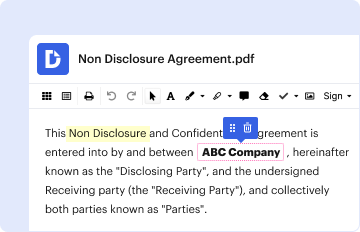
01. Edit your loft board general application online
Type text, add images, blackout confidential details, add comments, highlights and more.
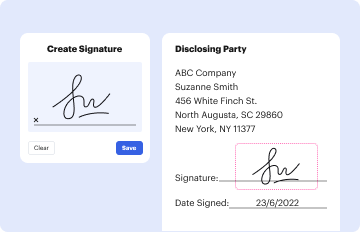
02. Sign it in a few clicks
Draw your signature, type it, upload its image, or use your mobile device as a signature pad.

03. Share your form with others
Send it via email, link, or fax. You can also download it, export it or print it out.
How to use or fill out loft board general application with our platform

- Click ‘Get Form’ to open the loft board general application in the editor.
- Begin by filling out the 'Building Information' section. Enter the building number, street name, borough, and IMD number accurately.
- Next, complete the 'Applicant Information' section. Specify your name, mailing address, and select your status as either owner, residential tenant, commercial/manufacturing tenant, or other.
- In the 'Nature of Application' section, check only one box that best describes your application type from the provided options.
- List all affected parties in the designated area. Ensure you indicate their type (owner, residential tenant, etc.) and provide accurate mailing addresses.
- Use the space provided to state all relevant facts and arguments for your application. Attach any necessary supporting documents.
- Finally, certify your application by signing and dating it at the bottom of the form before submitting five copies to the Loft Board.
Start using our platform today to fill out your loft board general application easily and for free!
Fill out loft board general application online
It's free
It's free
See more loft board general application versions
We've got more versions of the loft board general application form. Select the right loft board general application version from the list and start editing it straight away!
Got questions?
We have answers to the most popular questions from our customers. If you can't find an answer to your question, please contact us.
Contact us
How should loft boards be laid?
Start laying your boards, preferably starting from the hatch and moving towards the edges of the loft. Ensure they fit snugly and securely screw them into the loft legs or directly onto the joists, depending on your setup.
Which way do you lay loft boards?
For better strength, boards need to be laid in a staggered pattern, so joins dont all line up and create a weak point. Take care not to trap any wires running through your loft and cut the boards to provide easy access to the tops of light fittings, which you are sure to come across.
Should you nail or screw loft boards?
I would use screws because they hold the plywood down to the joist much better. Common nails have the tendency to work themselves loose over time as the plywood flexes and temperatures change.
What does loft mean in NYC?
A loft refers to a type of residential or commercial space that is typically located within a former industrial or commercial building, such as a warehouse, factory, or storage facility. It is characterized by its open floor plan, high ceilings, and large windows.
What is the loft law in NYC 1982?
The law protects tenants from unreasonable eviction and rent increases and requires that buildings be brought up to code, and it made rent increases contingent on landlords making these improvements. Today, the number of remaining artist lofts protected under the original 1982 Loft Law is in the hundreds.
Security and compliance
At DocHub, your data security is our priority. We follow HIPAA, SOC2, GDPR, and other standards, so you can work on your documents with confidence.
Learn more


People also ask
How should loft insulation be laid?
Plan: Lay 50mm insulation boards at 90 degrees to the joists. Where there are cables crossing joists, scallop out the underside of the insulation boards to leave a gap so as not to crush the cable. Lay and screw loft boards over the insulation boards (and mark where there are cables).
Can you lay loft boards directly onto joists?
Putting boards directly onto your joists will squash your loft insulation and restrict the airflow in your loft. This is against building regulations and may also cause mould and dampness in your loft due to reduced airflow.