




Here's how it works
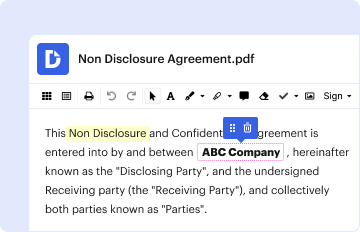
01. Edit your michigan department of state certification online
Type text, add images, blackout confidential details, add comments, highlights and more.
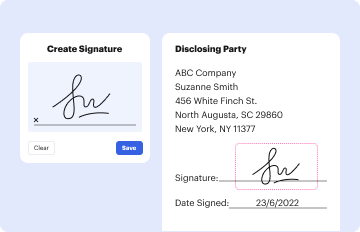
02. Sign it in a few clicks
Draw your signature, type it, upload its image, or use your mobile device as a signature pad.
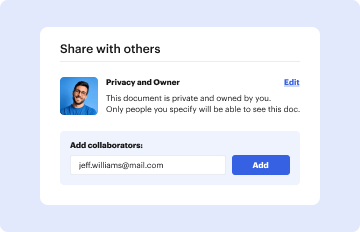
03. Share your form with others
Send michigan certification for psychiatric treatment via email, link, or fax. You can also download it, export it or print it out.
How to use or fill out the Michigan Psychiatric Certification Form

- Click ‘Get Form’ to open it in the editor.
- Begin by filling out your legal name in the 'Legal Name' section. Ensure you include your last name, first name, and middle initial.
- Indicate whether this is a first-time application or an annual renewal by checking the appropriate box.
- Provide your contact information, including your address, county (if applicable), city, state, zip code, and both primary and secondary phone numbers.
- Complete the email address field as it is required for communication regarding your application.
- Answer the felony conviction question honestly and attach any necessary explanations if applicable.
- Select the regions where you are willing to accept assignments by checking the relevant boxes.
- Fill out the certification information section with your credentials and test details accurately.
- List any professional development activities you've completed along with supporting documentation as required.
- Finally, sign and date the application to attest that all provided information is accurate before submitting it as instructed.
Start using our platform today to easily complete your Michigan Psychiatric Certification Form for free!
Fill out michigan psychiatric certification form online
It's free
It's free
See more michigan psychiatric certification form versions
We've got more versions of the michigan psychiatric certification form form. Select the right michigan psychiatric certification form version from the list and start editing it straight away!
Got questions?
We have answers to the most popular questions from our customers. If you can't find an answer to your question, please contact us.
Contact us
What are the criteria for involuntary commitment in Michigan?
If he/she determines that you are dangerous to yourself or others, or that you are unable to attend to my basic personal needs such as food, clothing and shelter, that are necessary to avoid serious harm in the near future, the doctor and the hospital, as required by law, will file an application for involuntary
How do you get someone involuntarily committed in Michigan?
To obtain court-ordered involuntary mental illness hospitalization or treatment for a person, a Petition for Mental Health Treatment must be filled out and two clinical certificates of the persons mental illness must be completed (unless the request is for Assisted Outpatient Treatment (AOT)).
What is certification of need for psychiatric hospitalization?
A physician must provide the initial certification at the time of admission, or as soon thereafter as is reasonable and practicable, documenting that the inpatient psychiatric hospitalization is reasonable and medically necessary for treatment expected to improve the patients condition, or for a diagnostic study.
What is the 5150 law in Michigan?
5150 Hold - is the number of the section of the Welfare and Institutions Code, which allows a person with a mental illness to be involuntarily detained for a 72-hour psychiatric hospitalization.
How long is a petition and cert good for in Michigan?
The clinical certificate certifies that the individual personally examined is mentally ill and a person requiring treatment. The first certificate can be executed by any physician or licensed psychologist and is good for up to 72 hours prior to hospitalization.
Security and compliance
At DocHub, your data security is our priority. We follow HIPAA, SOC2, GDPR, and other standards, so you can work on your documents with confidence.
Learn more


People also ask
What are the conditions for involuntary commitment?
Involuntary treatment is typically applied under the following conditions: The individual has a severe mental illness. They are assessed as being at docHub risk of harming themselves or others. No less restrictive treatment options are available.
What are the three types of involuntary commitment?
Types of Involuntary Commitment You may be familiar with terms such as pink slipping, 5150, or 72-hour hold. These are all terms for involuntary commitment that vary by state. Three main types of involuntary commitment exist: emergency detention, observational institutionalization, and extended commitment.