
Hearing exempt 2026

Get Form
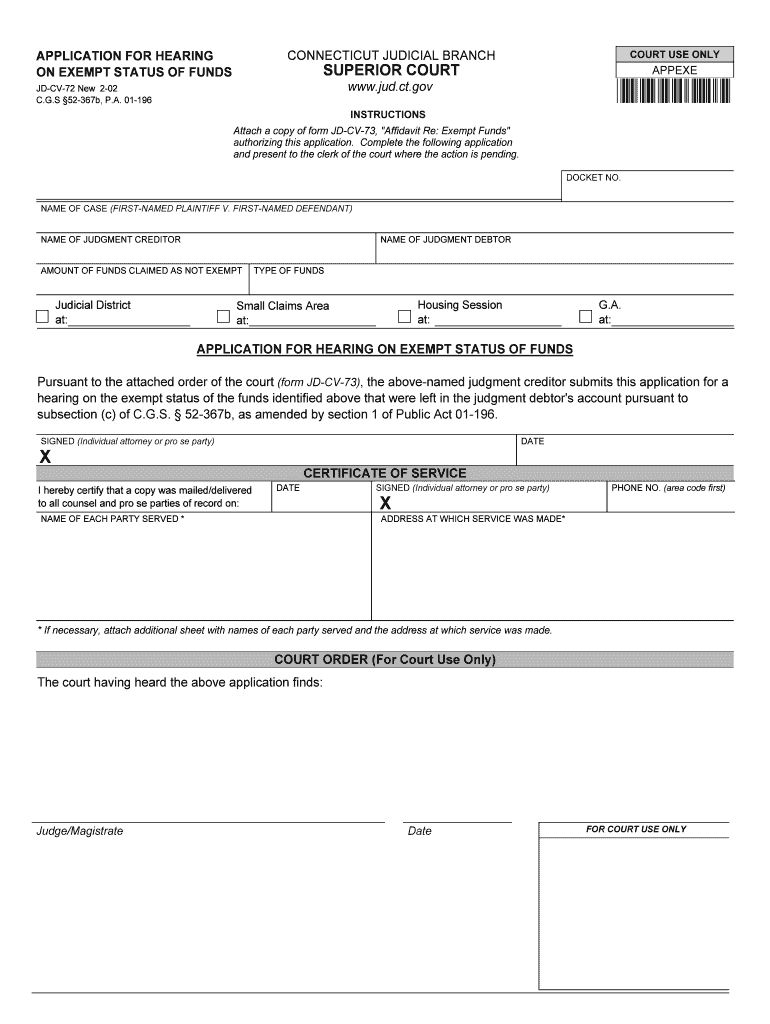
ct application exempt status Preview on Page 1

Here's how it works

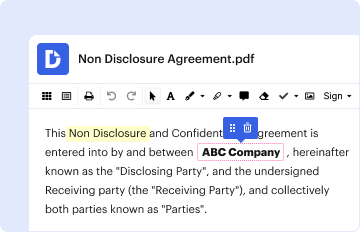
01. Edit your ct application exempt status online
Type text, add images, blackout confidential details, add comments, highlights and more.
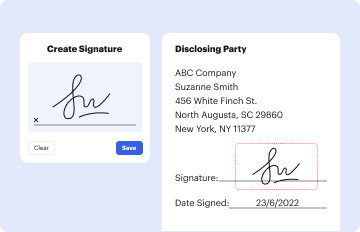
02. Sign it in a few clicks
Draw your signature, type it, upload its image, or use your mobile device as a signature pad.
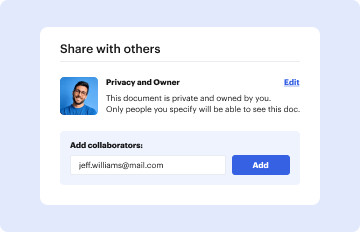
03. Share your form with others
Send hearing exempt via email, link, or fax. You can also download it, export it or print it out.

How to use or fill out hearing exempt with our platform

Form edit decoration
9.5
Ease of Setup
DocHub User Ratings on G2
9.0
Ease of Use
DocHub User Ratings on G2
  1. Click ‘Get Form’ to open the hearing exempt application in the editor.
  2. Begin by entering the Docket Number at the top of the form. This is essential for identifying your case.
  3. Fill in the Name of Case, specifying the first-named plaintiff and defendant. This helps clarify who is involved in the proceedings.
  4. Next, provide the Name of Judgment Creditor and Judgment Debtor. Accurate names are crucial for legal clarity.
  5. Indicate the Amount of Funds Claimed as Not Exempt. Be precise to avoid any discrepancies during review.
  6. Select the Judicial District and specify if it’s a Housing Session, Small Claims Area, or General Area (G.A.).
  7. Sign and date the application at the bottom. If you are an attorney or pro se party, ensure your signature is clear.
  8. Complete the Certificate of Service section by listing each party served along with their addresses. Attach additional sheets if necessary.

Start using our platform today to fill out your hearing exempt application easily and for free!

See more hearing exempt versions

We've got more versions of the hearing exempt form. Select the right hearing exempt version from the list and start editing it straight away!
Versions Form popularity Fillable & printable
2002 4.9 Satisfied (340 Votes)
be ready to get more

Complete this form in 5 minutes or less

Get form

Got questions?

We have answers to the most popular questions from our customers. If you can't find an answer to your question, please contact us.
Contact us
A person is physically qualified to drive a CMV if that person: First perceives a forced whispered voice in the better ear at not less than five feet with or without the use of a hearing aid or if tested by use of an audiometric device, does not have an average hearing loss in the better ear greater than 40 decibels at
The Department of Transportation (DOT), Federal Motor Carrier Safety Administration (FMCSA) allows drivers operating commercial motor vehicles in interstate commerce to apply to the Agency for an exemption from the hearing standard at 49 CFR 391.41(b)(11) of the Federal Motor Carrier Safety Regulations.
Part 381 Exemptions in Effect. An exemption provides temporary relief from one or more Federal Motor Carrier Safety Regulations (FMCSRs) to a person subject to the regulations or to a person who intends to engage in an activity that would be subject to the regulations.
To be applicable for the Federal Vision Exemption, you need to have at least 20/40 vision in your good eye, and 70 degrees peripheral vision in that eye too.
Any time the sheriff or marshal levies against your property, you must be notified. You can request a hearing, which is usually called something like a claim of exemption hearing, to argue that it will be a financial hardship on you if the property is taken, or that your property is exempt under state law.

Security and compliance

At DocHub, your data security is our priority. We follow HIPAA, SOC2, GDPR, and other standards, so you can work on your documents with confidence.

Learn more

People also ask

Medical Waivers for Hearing Loss If your hearing doesnt meet the standard requirements, you may still be eligible through a medical waiver. A waiver is a request for the military to make an exception based on your condition and qualifications.
The following categories of drivers and vehicles in 49 CFR 391.2 are generally exempt from some or all of the driver qualifications listed above: Farm custom operation. Beekeeping industries. Certain farm vehicle drivers.
The Department of Transportation (DOT), Federal Motor Carrier Safety Administration (FMCSA) allows interstate commercial motor vehicle drivers with a history of epilepsy or any other condition likely to cause of loss of consciousness or any loss of ability to control a commercial motor vehicle to apply for an exemption

ct hearing exempt