Untitled - Community Housing Innovations 2026

Get Form
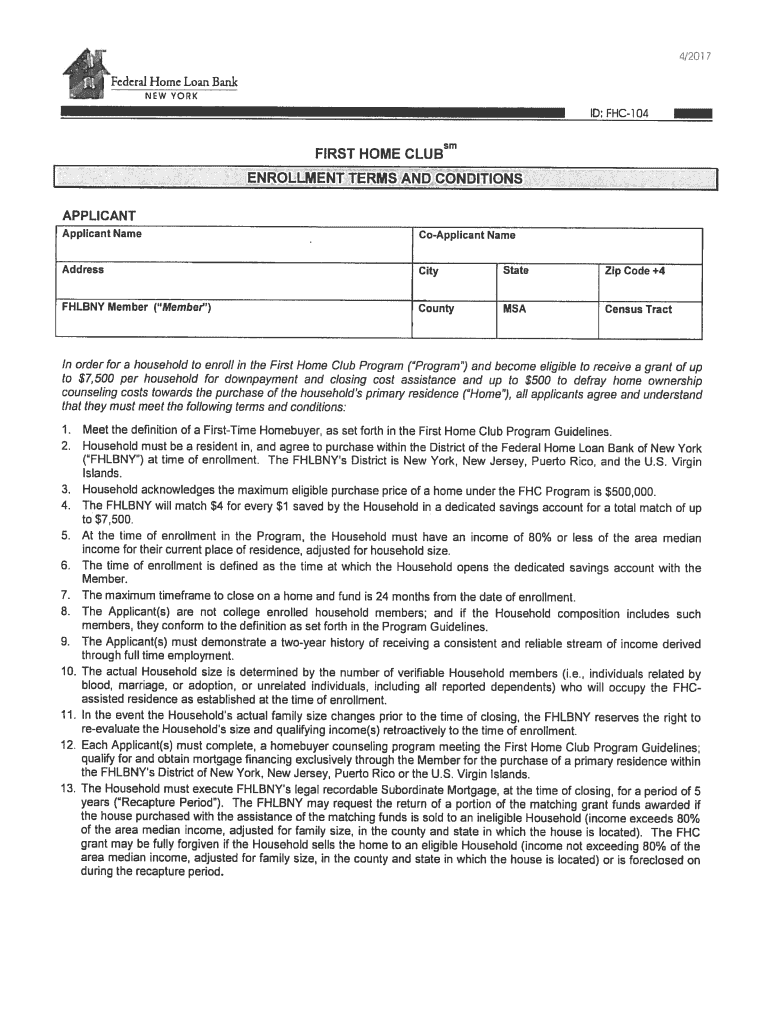
Untitled - Community Housing Innovations Preview on Page 1

Here's how it works

01. Edit your form online
Type text, add images, blackout confidential details, add comments, highlights and more.
02. Sign it in a few clicks
Draw your signature, type it, upload its image, or use your mobile device as a signature pad.
03. Share your form with others
Send it via email, link, or fax. You can also download it, export it or print it out.

How to use or fill out Untitled - Community Housing Innovations with our platform

Form edit decoration
9.5
Ease of Setup
DocHub User Ratings on G2
9.0
Ease of Use
DocHub User Ratings on G2
  1. Click ‘Get Form’ to open it in the editor.
  2. Begin by reviewing the introductory section of the form, which outlines the purpose and importance of community housing initiatives. This will provide context for your responses.
  3. Proceed to fill out personal information fields such as name, address, and contact details. Ensure accuracy as this information is crucial for communication.
  4. In the next section, provide details about your housing needs. Be specific about your requirements to help facilitate appropriate assistance.
  5. If applicable, complete any additional sections regarding financial information or support services needed. This will help streamline your application process.
  6. Finally, review all entered information for completeness and accuracy before submitting. Utilize our platform’s editing features to make any necessary adjustments.

Start using our platform today to easily fill out and submit your Untitled - Community Housing Innovations form for free!

See more Untitled - Community Housing Innovations versions

We've got more versions of the Untitled - Community Housing Innovations form. Select the right Untitled - Community Housing Innovations version from the list and start editing it straight away!
Versions Form popularity Fillable & printable
2017 4.8 Satisfied (57 Votes)
2015 4 Satisfied (58 Votes)
be ready to get more

Complete this form in 5 minutes or less

Get form

Got questions?

We have answers to the most popular questions from our customers. If you can't find an answer to your question, please contact us.
Contact us
Having a home, living in appropriate housing and belonging to place all have a role to play in social inclusion/exclusion. All are affected by the interaction of housing market factors, government policies and the preferences and actions of individuals/households over time, which we refer to as housing processes.
Community housing is typically provided by organizations whose mandates are to offer affordable housing. Rents are typically subsidized by public sources (be they federal, provincial/territorial, or municipal) so that rents can be maintained at a level that is affordable to the tenants.
This type of housing allows more people who have low to moderate incomes to obtain affordable units (for rental or purchase) that have the same benefits as those with higher incomes, such as: Good schools. Well-maintained community centers. Safe neighborhoods.
In 2020, there were one million public housing units. In 2022, about 5.2 million American households received some form of federal rental assistance. Subsidized apartment buildings, often referred to as housing projects (or simply the projects), have a complicated and often notorious history in the United States.
The City of Los Angeles Housing Department (LAHD) offers three programs, the Low Income Purchase Assistance (LIPA) , the Moderate Income Purchase Assistance (MIPA) and Mortgage Credit Certificate (MCC), that can help you achieve your dream of homeownership.

Security and compliance

At DocHub, your data security is our priority. We follow HIPAA, SOC2, GDPR, and other standards, so you can work on your documents with confidence.

Learn more
ccpa2
pci-dss
gdpr-compliance
hipaa
soc-compliance
be ready to get more

Complete this form in 5 minutes or less

Get form

People also ask

Provide Opportunities for Skill Sharing This could include workshops, classes, or mentorship programs. By tapping into the diverse talents within the community, residents can learn from each other, build new skills, and forge stronger connections.

Related links