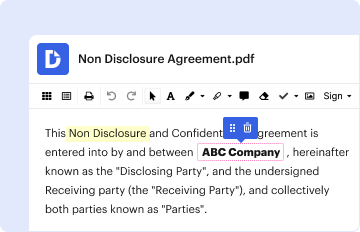
Type text, add images, blackout confidential details, add comments, highlights and more.
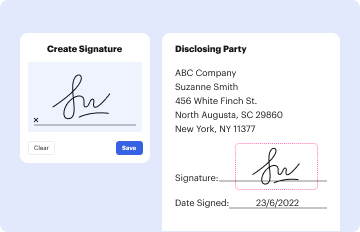
02. Sign it in a few clicks
Draw your signature, type it, upload its image, or use your mobile device as a signature pad.
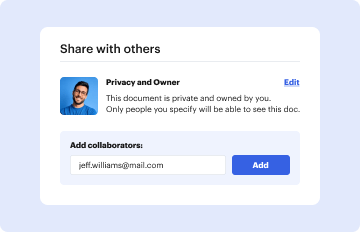
03. Share your form with others
Send it via email, link, or fax. You can also download it, export it or print it out.
How to use or fill out pk1 form finland with our platform
Ease of Setup
DocHub User Ratings on G2
Ease of Use
DocHub User Ratings on G2
Click ‘Get Form’ to open the pk1 form in the editor.
Begin with Section A, where you will provide your personal data. Fill in your family name, first names, and personal identity number. Indicate your relationship status with your spouse by selecting the appropriate option.
Next, enter your contact information for processing the application. Ensure that all details are accurate to avoid delays.
In Section B, provide detailed information about your family life. Answer questions regarding your marriage or registered relationship, including dates and places.
If applicable, complete Section C by adding any additional information relevant to the application. This may include clarifications or supporting documents.
Finally, review all sections for completeness and accuracy before signing in Section D. Your signature affirms that all provided information is correct.
Start filling out the pk1 form today for free using our platform!
Finland dependent visa requirementsFinland spouse visa processing timeFinland spouse visa success rateFinland spouse visa for international studentsSupplement form for spouse finlandFinland spouse visa requirementsFinland spouse visa feeHow much bank balance is required for Finland student visa with spouse
Security and compliance
At DocHub, your data security is our priority. We follow HIPAA, SOC2, GDPR, and other standards, so you can work on your documents with confidence.
Current Insights in Elucidation of Possible Molecular - PMC
by EK Shematorova 2020 Cited by 13 The neuronal ceroid lipofuscinoses (NCLs) collectively constitute one of the most common forms of inherited childhood-onset neurodegenerative disorders.
Cookie consent notice
This site uses cookies to enhance site navigation and personalize your experience.
By using this site you agree to our use of cookies as described in our Privacy Notice.
You can modify your selections by visiting our Cookie and Advertising Notice.