



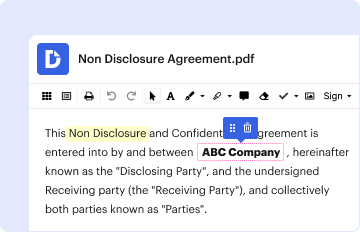
01. Edit your stamp paper format in word online
Type text, add images, blackout confidential details, add comments, highlights and more.

Type text, add images, blackout confidential details, add comments, highlights and more.
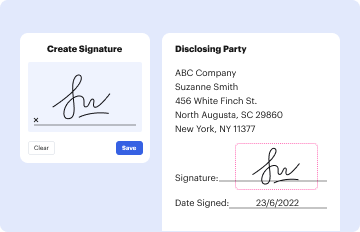
Draw your signature, type it, upload its image, or use your mobile device as a signature pad.

Send stamp paper template via email, link, or fax. You can also download it, export it or print it out.
The stamp paper format in Word refers to a digitally created document that mimics the physical characteristics of traditional stamp paper, which is often required for legal agreements and contracts in the United States. Stamp paper serves as a proof of payment for the government-imposed stamp duty on certain transactions, making it a legal requirement for documents such as property sales, lease agreements, and financial transactions. The ability to create a stamp paper format using software like Microsoft Word allows for both convenience and compliance with legal standards.
This format generally includes elements such as specific margins, designated font sizes, and predefined areas for signatures and dates. Using the stamp paper format in Word ensures that users can easily prepare official documents that are ready for print and can legally replace physical stamp paper for many applications.
Using the stamp paper format in Word involves several steps to ensure that the document is correctly structured and compliant with legal standards. Here’s how to effectively utilize this format:
Select a Template: Start by opening Microsoft Word and selecting a stamp paper template. You can find pre-designed templates either within Word or through online resources that provide templates specifically for stamp papers.
Customize Document Settings: Adjust the page setup to match the required stamp paper size. Common sizes include A4 and letter format. Be mindful of the margins; proper margins for stamp paper are typically set to one inch on all sides to allow space for any seals or stamps.
Input Necessary Information: Fill out the template with the relevant information. This includes the names of the parties involved, the purpose of the document, and any specific clauses or terms required by law.
Add Signature Fields: Include spaces for signatures at the bottom of the document to ensure compliance. Signature fields should be clearly marked and securely placed to avoid any legal disputes.
Review and Edit: Conduct a thorough review of the document to make sure all legal and formal requirements are met. Any typos or inaccuracies may lead to issues during legal proceedings.
Print the Document: After finalizing the content, print the document on high-quality paper to resemble traditional stamp paper.
When creating or using a stamp paper format in Word, several key elements must be included to ensure the document is legally valid. These elements are often dictated by state-specific regulations but typically include the following:
Completing a stamp paper format in Word involves a systematic approach to ensure all required information is included and formatted correctly. Follow these steps:
Open Microsoft Word: Launch the application and start a new document.
Set Document Properties: Adjust the document size to match the required stamp paper size, typically A4 or legal size. Set margins to one-inch for a professional layout.
Insert Header with Document Title: Use a bold font for the title to distinguish it. Center the title at the top of the page.
Detail the Transaction Information: Below the header, create a section with clear bullet points or numbered items that include all relevant details, such as parties involved, transaction specifics, and legal terms.
Include Payment Statement: Write a statement about the stamp duty paid, ensuring to reference the appropriate legal standards.
Add Signature Lines: At the end, create designated spaces for all parties to sign, including printing their names and the date alongside their signatures.
Proofread the Document: Carefully read through the document for any errors or omissions, ensuring compliance with legal requirements.
Finalize and Save: Save the document in both Word and PDF formats to ensure easy distribution and printing later.
The stamp paper format in Word serves a crucial legal role in many transactions. It is used to create binding agreements that must meet specific state requirements regarding stamp duty and documentation.
Legal Recognition: Documents formatted correctly can be legally recognized as valid contracts, provided they comply with local and state laws regarding stamp papers.
Proof of Payment: The stamp paper format signifies proof that the necessary taxes or duties have been paid, which is essential for the enforcement of agreements in a court of law.
Notarization: Some documents may require notarization to further validate their contents, which can often involve using the stamp paper format in Word to present information accurately.
Understanding how to apply a stamp paper format in Word ensures necessary adherence to legal standards, safeguarding all parties involved in an agreement.
We've got more versions of the stamp paper format in word form. Select the right stamp paper format in word version from the list and start editing it straight away!
| Versions | Form popularity | Fillable & printable |
|---|---|---|
| 2016 | 4.3 Satisfied (37 Votes) |
At DocHub, your data security is our priority. We follow HIPAA, SOC2, GDPR, and other standards, so you can work on your documents with confidence.
paper size. 4 Using both hands put paper in the manual feed tray until the front edge of the paper touches the paper feed roller and the machine grips the paperRead more
The Office of the Federal requires that document submissions be digitally signed (using the invisible signature capability) and submitted in Word (.docx)
Page 1. FORMAT TO BE TYPED IN STAMP PAPER (Rs.20). AFFIDAVIT. Iaged.years , S/O or D/Owith permanent address atRead more


