
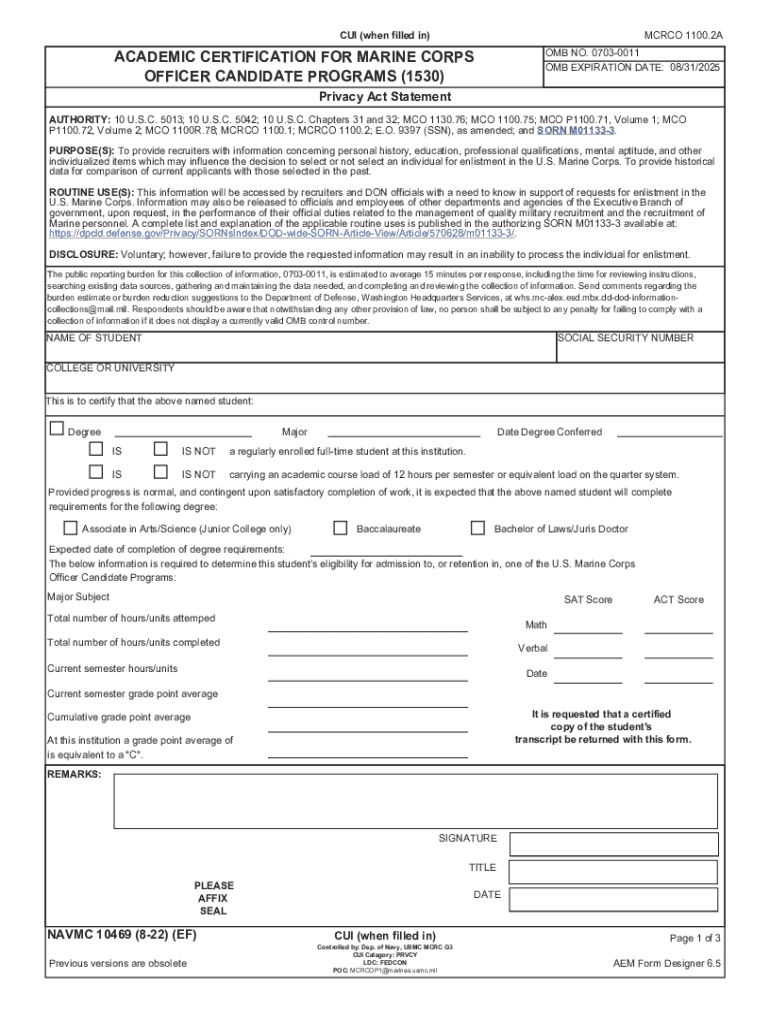







Definition and Meaning of “Form Online”
The term "form online" refers to the process of completing and submitting forms through internet-based platforms rather than using traditional paper formats. This form of document handling offers significant convenience and speed, as individuals can fill out and submit forms from any location with internet access. Online forms are used for various purposes, including tax filing, application processes, and regulatory submissions. The flexibility of online forms allows for easier data entry and storage, reducing errors associated with manual paperwork. Utilizing forms online often includes features such as electronic signatures, automated data capture, and real-time validation, enhancing overall efficiency and accuracy.
How to Use the Form Online
To use a form online, start by accessing the platform that hosts the form, such as a governmental website or a document management platform like DocHub. Follow the steps below to complete the process:
-
Access the Platform: Navigate to the relevant platform where the form is hosted. This could be through a direct URL or by logging into a document management system.
-
Select the Form: Identify and select the form you need from a list or search function provided on the platform.
-
Fill Out the Form: Input the required information into the designated fields. Most online forms will highlight mandatory fields to ensure all necessary data is collected.
-
Attach Documents: If the form requires supporting documents, upload them as specified.
-
Review and Edit: Use online editing tools to ensure that all information is accurate and complete before submission.
-
Submit the Form: Once verified, submit the form as instructed, which might be via a 'Submit' button on the platform.
The form submission process might vary slightly depending on the system used, but these general steps are applicable to most online forms.
How to Obtain the Form Online
Obtaining a form online involves accessing it from a credible source, ensuring that you use the correct and updated version:
- Visit Official Websites: Trusted sources such as government or institutional websites offer official forms for various purposes.
- Use Document Platforms: Platforms like DocHub provide templates for widely-used forms, allowing you to download or fill them out directly.
- Search Online: Conduct a search using the form name or number to locate the document quickly.
- Verify Authenticity: Ensure the form is the latest version and from an official source to avoid compliance issues.
After accessing the form, you can save it to your device for later use or complete it immediately using a browser-based editor.
Steps to Complete the Form Online
Completing a form online requires careful data input and verification:
-
Gather Information: Before starting, have all required information and documents ready to streamline the process.
-
Open Form in Editor: Use an online editor to open the form and access all interactive features available.
-
Fill Out Required Fields: Complete each field, ensuring accuracy to prevent delays or rejections.
-
Use Annotation Tools: Highlight or comment on areas where additional context or notes may be necessary.
-
Validate Entries: Utilize platform validation tools to check for errors and completeness.
-
Attach Necessary Files: Upload supporting documents if required by the form.
-
Review Form: Look over the completed form for any discrepancies or missing information.
-
Sign Electronically: If necessary, use the electronic signature facility to sign the form legally.
-
Submit or Save: Upon completion, submit the form through the platform or save it for future submission or amendment.
Why You Should Form Online
Using online forms offers various advantages over traditional paper forms:
- Efficiency: Save time with instant submission and processing.
- Accessibility: Access from any location at any time, eliminating the need for physical presence.
- Accuracy: Reduce errors with automated validation and guided input fields.
- Security: Ensure data protection with encrypted transmission and storage.
- Environmental Impact: Decrease paper usage, contributing to eco-friendly practices.
- Cost-Effectiveness: Lower costs associated with printing, mailing, and storage.
The convenience of online forms makes them preferable for individuals and businesses looking for streamlined document management solutions.
Who Typically Uses the Form Online
Online forms are typically used by a broad range of individuals and entities:
- Government Agencies: For compliance and regulatory submissions.
- Businesses: For internal processes such as HR applications or client onboarding.
- Individuals: For personal documentation, such as tax forms or applications.
- Educational Institutions: For enrollment and verification processes.
- Healthcare Providers: For patient information and consent forms.
These diverse applications highlight the versatile and widespread utility of online forms across different sectors and user groups.


Important Terms Related to Form Online
Familiarize yourself with key terminology associated with online forms to navigate and utilize them effectively:
- Electronic Signature: A digital form of signature providing legal authenticity.
- Encryption: Process of securing information by transforming it into a code to prevent unauthorized access.
- Validation: Automated checks ensuring data entered meets pre-defined criteria.
- OAuth 2.0: A protocol for authorization, ensuring secure access to systems.
- Fillable Fields: Interactive sections within a form designed to capture specific data.
- Cloud Storage: Remote servers for storing data, enabling easy access and sharing.
Understanding these terms enhances your proficiency in using and managing online forms efficiently.
Key Elements of the Form Online
Key elements that define the structure and function of online forms include:
- Interactivity: Dynamic fields that adjust based on prior entries for a streamlined experience.
- Real-Time Feedback: Immediate validation alerts for errors or omissions.
- Data Integration: Compatibility with systems such as databases for automatic data transfer.
- Customization Options: Ability to tailor forms to specific needs, such as branding or specific field requirements.
- User Authentication: Ensuring only authorized individuals have access to sensitive forms.
These elements make online forms adaptable to a wide range of applications, catering to both personal and professional needs.




