




Here's how it works
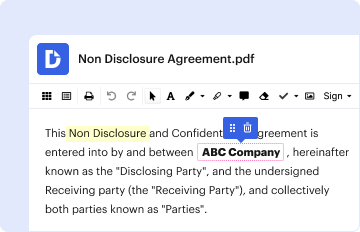
01. Edit your statutory declaration qld online
Type text, add images, blackout confidential details, add comments, highlights and more.
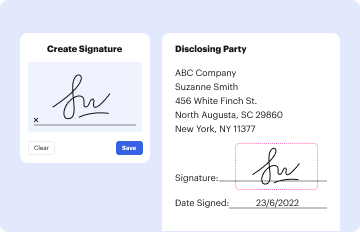
02. Sign it in a few clicks
Draw your signature, type it, upload its image, or use your mobile device as a signature pad.
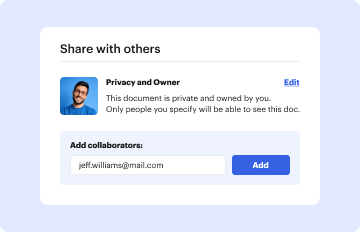
03. Share your form with others
Send free stat dec form qld via email, link, or fax. You can also download it, export it or print it out.
How to use or fill out Statutory Declaration - Resources Safety and Health Queensland with our platform

- Click ‘Get Form’ to open the Statutory Declaration in the editor.
- Begin by entering your full name and address in the designated fields. Ensure accuracy as this information is crucial for identification.
- In the declaration section, clearly state the contents of your declaration. If based on information or belief, specify your sources.
- Indicate whether your declaration was made electronically or on paper by checking the appropriate boxes provided.
- If applicable, include details about any substitute signatory and ensure they are directed to sign in your presence, either physically or via audio visual link.
- Complete the witness section by providing their full name, signature, and type of witness. Make sure they meet eligibility requirements.
- Finally, attach the page titled 'HOW THIS DOCUMENT WAS MADE' to complete your statutory declaration.
Start using our platform today for free to streamline your document editing and signing process!
Fill out Statutory Declaration - Resources Safety and Health Queensland online
It's free
It's free
See more Statutory Declaration - Resources Safety and Health Queensland versions
We've got more versions of the Statutory Declaration - Resources Safety and Health Queensland form. Select the right Statutory Declaration - Resources Safety and Health Queensland version from the list and start editing it straight away!
Got questions?
We have answers to the most popular questions from our customers. If you can't find an answer to your question, please contact us.
Contact us
Who can witness a QLD statutory declaration?
Under the Oaths Act 1867, a legal practitioner can be a special witness. Find out more information on having a statutory declaration witnessed online by an approved JP or Cdec at .qld.gov.au/onlinewitnessing. There is not one universal form that you must use to make a statutory declaration.
Who can docHub a document in QLD?
The following people can docHub copies of your original identity documents in Australia as true and correct: Barrister. Solicitor. Medical practitioner who has a general or specialist registration with the Medical Board of Australia (this doesnt include pharmacists) Judge. Justice of the Peace.
What is the residency declaration form for Queensland?
Queensland Residency Declaration Photo Identification Card Act 2008 Transport Operations Road Use Management Act 1995 This form may be used if you are required to give evidence of your Queensland Qld residential address and you are genuinely unable to provide suitable evidence of residential address documents.
Can I write my own statutory declaration in Australia?
Step 1 - Download and open a Commonwealth statutory declaration form. To make a valid declaration, you must use an approved form. You cannot create your own form.
What is the penalty for false statutory declaration in Qld?
What happens if you make a false statement. If you make a false statement in a Commonwealth statutory declaration on purpose, you can be charged with a Commonwealth criminal offence. You could be imprisoned for up to 4 years.
Security and compliance
At DocHub, your data security is our priority. We follow HIPAA, SOC2, GDPR, and other standards, so you can work on your documents with confidence.
Learn more


People also ask
Who can docHub a statutory declaration in QLD?
If the statutory declaration is to be signed on paper and in person, the witness can be: a justice of the peace (JP) a commissioner for declarations (Cdec) a notary public a lawyer a licensed conveyancer in another state or territory any person who is authorised by law to administer an oath in another state
What is a certified statutory declaration?
Affidavits (sworn statements from a witness), and. Statutory declarations (signed statements that information is true or accurate).
Who swears a statutory declaration?
A statutory declaration is a formal statement made affirming that something is true to the best knowledge of the person making the declaration. It has to be signed in the presence of a solicitor, commissioner for oaths or notary public.