
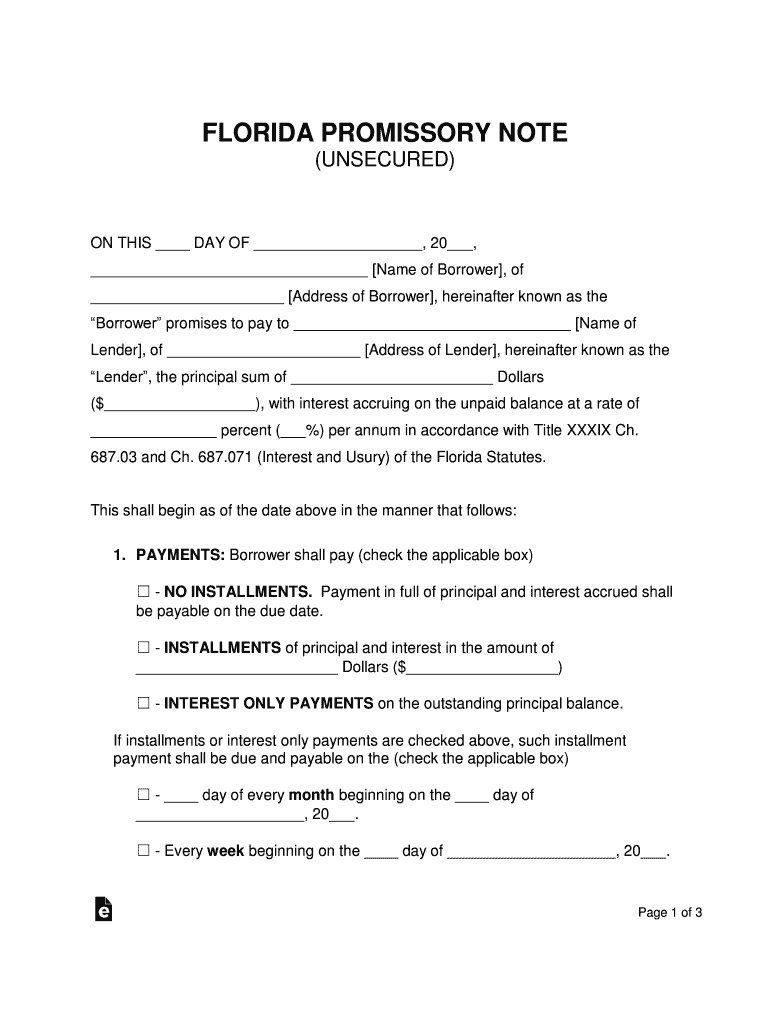







Definition and Meaning
"Eforms Florida" refers to digital or electronic versions of forms that are specifically applicable within the state of Florida. These eForms are designed to simplify various bureaucratic processes by allowing individuals to complete, sign, and submit forms online. The term encompasses a wide range of document types used for legal, business, financial, and personal purposes, facilitating compliance with state-specific regulations.
How to Use Eforms Florida
The process of using eForms in Florida involves several straightforward steps to ensure accuracy and compliance:
- Access the Form: Locate the required eForm from a reliable source or authorized platform like DocHub.
- Review Instructions: Carefully read any accompanying instructions or guidance provided to understand the form's requirements.
- Complete the Form: Fill out the form fields with the necessary information. Ensure all required sections are addressed accurately.
- Attach Documents: If the form requires additional documentation, attach scanned copies or digital versions as necessary.
- Sign the Form: Use digital signature tools to sign the form. These signatures must be compliant with the ESIGN Act to be legally binding.
- Submit the Form: Follow the specified submission process, which could involve uploading the form to a government portal or sending it via email.
Steps to Complete the Eforms Florida
Completing eForms in Florida involves a detailed understanding of the process to avoid common pitfalls:
- Preparation: Gather all necessary information and documents before starting your form.
- Data Entry: Fill in each field carefully, checking for accuracy and completeness to avoid rejection.
- Verification: Double-check the form for errors or omissions. Verify that all information matches your records.
- Field Requirements: Ensure that any required fields are filled in; some fields may necessitate additional details or documentation.
- Digital Signature: Use a platform like DocHub to apply a legally recognized electronic signature.
Important Terms Related to Eforms Florida
Understanding key terms related to eForms in Florida is crucial for proper form usage:
- Principal Amount: Refers to the original sum of money borrowed in financial forms.
- Interest Rate: The percentage charged on the principal amount for borrowing purposes.
- Legal Rights: Refers to the terms and conditions outlined in the form that protect both parties involved.
- Fillable Fields: Sections of the form that require input, such as text boxes and signature lines.
- Electronic Signature: A digital version of a handwritten signature that confirms the form's authenticity and approval.
State-Specific Rules for Eforms Florida
Each state, including Florida, has specific regulations guiding the use of eForms:
- Comprehensive Compliance: Ensure that the eForm adheres to Florida’s state laws and mandates.
- Data Protection: Florida requires that electronic records be protected according to its privacy laws.
- Digital Signing Regulations: Adhere strictly to Florida’s rules on electronic signatures to ensure they are legally binding.
Who Typically Uses Eforms Florida
EForms in Florida are utilized by a diverse group of individuals and entities:
- Businesses: Small and large businesses use eForms for licensing, tax submissions, and agreements.
- Individuals: Residents rely on eForms for personal tax filings and legal documentation.
- Legal Professionals: Attorneys use eForms for preparing and filing legal documents with county and state agencies.
Required Documents for Eforms Florida
Having the correct supporting documents is critical when working with eForms:
- Proof of Identity: Often required to validate the information provided in the forms, such as a driver’s license or passport.
- Financial Documents: Bank statements or financial records may be needed for precise financial declarations.
- Authorizations: Letters of authorization might be necessary when forms are submitted on behalf of another person or entity.
Legal Use of Eforms Florida
Legal utilization of eForms in Florida is structured and regulated:
- Adherence to the ESIGN Act: Ensures that forms and signatures meet legal standards required by federal law.
- Legal Documentation: Many eForms serve as legally binding agreements or notifications when completed correctly.
- Compliance Assurance: Utilizing platforms such as DocHub ensures compliance and offers security measures to protect sensitive information.
Filing Deadlines and Important Dates for Eforms Florida
Timely submission of eForms is crucial to avoid penalties:
- Annual Tax Filing: Usually due by April 15, unless otherwise extended.
- Business Licenses: Renewal dates vary, and timely filing is necessary to maintain active status.
- Legal Filings: Court-related documents have specific deadlines based on case requirements and should be checked with relevant legal guidelines.




