




01. Edit your orange county superior court forms online
Type text, add images, blackout confidential details, add comments, highlights and more.

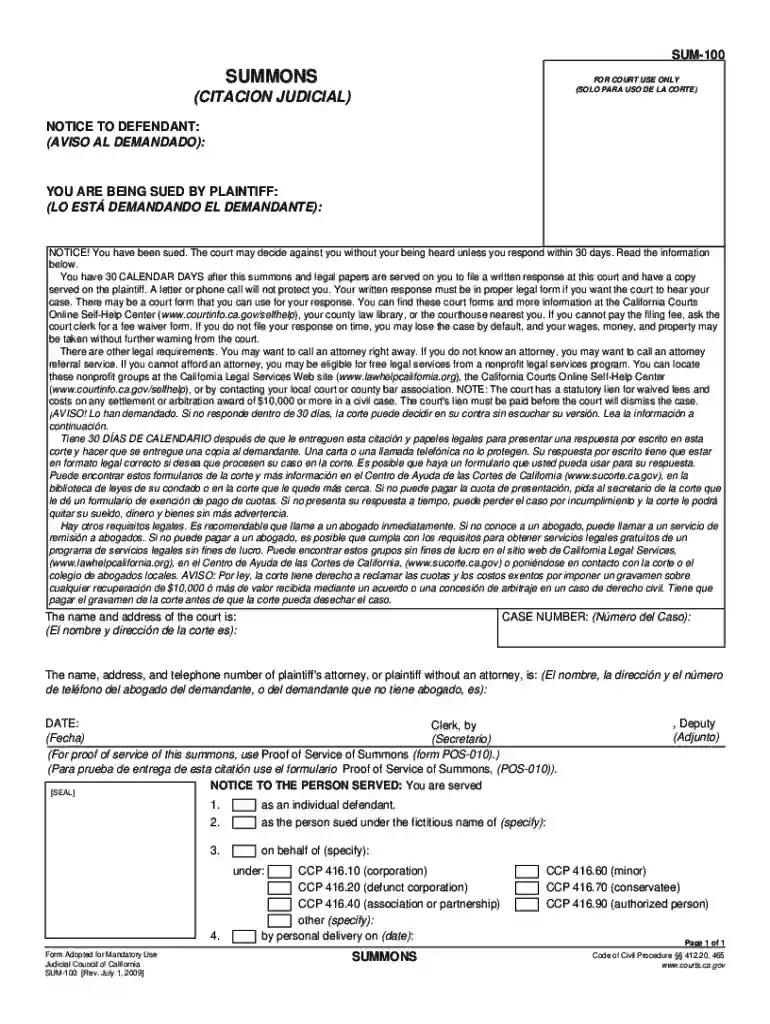
Type text, add images, blackout confidential details, add comments, highlights and more.

Draw your signature, type it, upload its image, or use your mobile device as a signature pad.

Send it via email, link, or fax. You can also download it, export it or print it out.
The Self-Help Form Packets provided by the Orange County Superior Court are a selection of documents designed to assist individuals in navigating legal procedures without the need for professional legal representation. These packets contain standardized forms, guidelines, and instructions, tailored to help users effectively manage various legal matters such as civil complaints, family law issues, or small claims cases. By utilizing these resources, individuals can confidently engage with the court system, understand legal requirements, and ensure that their submissions meet the necessary procedural standards.
Using the Self-Help Form Packets involves a series of steps to ensure that the correct forms are completed and submitted promptly. Here’s a general guide:
Identify the Legal Issue: Determine the nature of the legal matter you are dealing with. Whether it's a divorce, small claims, or a breach of contract, identifying the issue accurately will help select the appropriate packet.
Obtain the Form Packet: Access the packets through the Orange County Superior Court’s website, or visit in person to request printed copies. Each packet contains forms specific to different legal issues.
Read Instructions Carefully: Each packet comes with detailed instructions. Take the time to thoroughly read and understand these instructions to ensure accurate completion of the forms.
Complete the Forms: Fill out each form within the packet, adhering to the guidelines provided. Be mindful of mandatory fields and ensure all information is accurate.
Review and Gather Supporting Documents: Double-check forms for accuracy and completeness. Gather any additional documents required to support your case, such as evidence, correspondence, or identification.
Submit the Forms: Forms can be submitted in person, via mail, or through the court's online submission system, depending on the type of case. Ensure submission meets any applicable deadlines.
Gather Necessary Information: Before filling out the forms, collect all relevant information and documents needed, such as identification details, case numbers, and supporting evidence.
Follow Form Instructions: Each form contains specific instructions that detail how to provide the requested information. Adherence to these instructions is crucial to ensure the court accepts the submission.
Enter Required Information: Accurately complete each section of the forms. For fields that don't apply, it's often appropriate to write "N/A" to indicate non-applicability.
Use Provided Templates: Some form packets include templates or examples to follow. Use them to structure your responses appropriately.
Review for Accuracy: Check the completed forms for any errors or omissions. Accuracy is vital, as mistakes can result in delays or rejection.
Ensure Signatures are Included: Many forms require signatures to validate the submission. Make sure all necessary parties sign the forms where indicated.
Instructions and Guidelines: Each packet includes comprehensive instructions to aid in the completion of forms. They outline legal requirements, formatting standards, and submission procedures.
Standardized Forms: The packets contain ready-to-use forms specific to various legal issues that are legally recognized by the courts.
Checklists: Many packets come with checklists to help ensure that all necessary steps are completed and required documents are included.
Examples and Templates: To assist with accurate completion, examples or templates are often provided.
ADR (Alternative Dispute Resolution): A process by which parties in a dispute resolve the matter outside the formal judicial process, often through mediation or arbitration.
Filing Deadline: The last date by which the completed forms must be submitted to the court to be considered valid.
Notarization: A process of witnessing signatures by a licensed notary public to authenticate documents used in legal proceedings.
The Self-Help Form Packets are utilized legitimately to prepare for legal proceedings without incurring legal fees for representation. Users are encouraged to ensure the correct usage by:
Understanding Legal Terminology: Familiarity with legal terms within the packets is essential to ensure correct interpretation and compliance.
Adhering to Procedures: Follow outlined procedures precisely to avoid delays or dismissals.
Utilizing Court Support Services: While the packets empower individuals to manage their cases, court-provided support services can offer additional guidance and clarification.
The rules governing the use of Self-Help Form Packets can vary by state. In California, specifically Orange County, it's critical to:
Follow State Guidelines: Use forms that are compliant with California state laws and specific to Orange County.
Stay Informed of Updates: Court procedures and forms may change; staying updated on these changes ensures continued compliance.
Obtaining the Self-Help Form Packets is straightforward:
Online Access: Visit the Orange County Superior Court’s official website to download digital copies of form packets at any time.
In-Person: Visit the courthouse to request physical copies if preferred.
Community Resources: Public libraries and legal aid offices may also provide access to these packets, offering additional avenues for obtaining needed documents.
We've got more versions of the orange county superior court forms form. Select the right orange county superior court forms version from the list and start editing it straight away!
At DocHub, your data security is our priority. We follow HIPAA, SOC2, GDPR, and other standards, so you can work on your documents with confidence.
Resources and information to help you navigate your court case, including step-by-step guides for following procedures and help with understanding your options.Read more
Looking for the Self-Help Guide? Californians looking for information on case types or to represent themselves in court can find step-by-step instructions,Read more


