BILL OF LADING No MEDITERRANEAN SHIPPING COMPANY SA NON 2026

Get Form
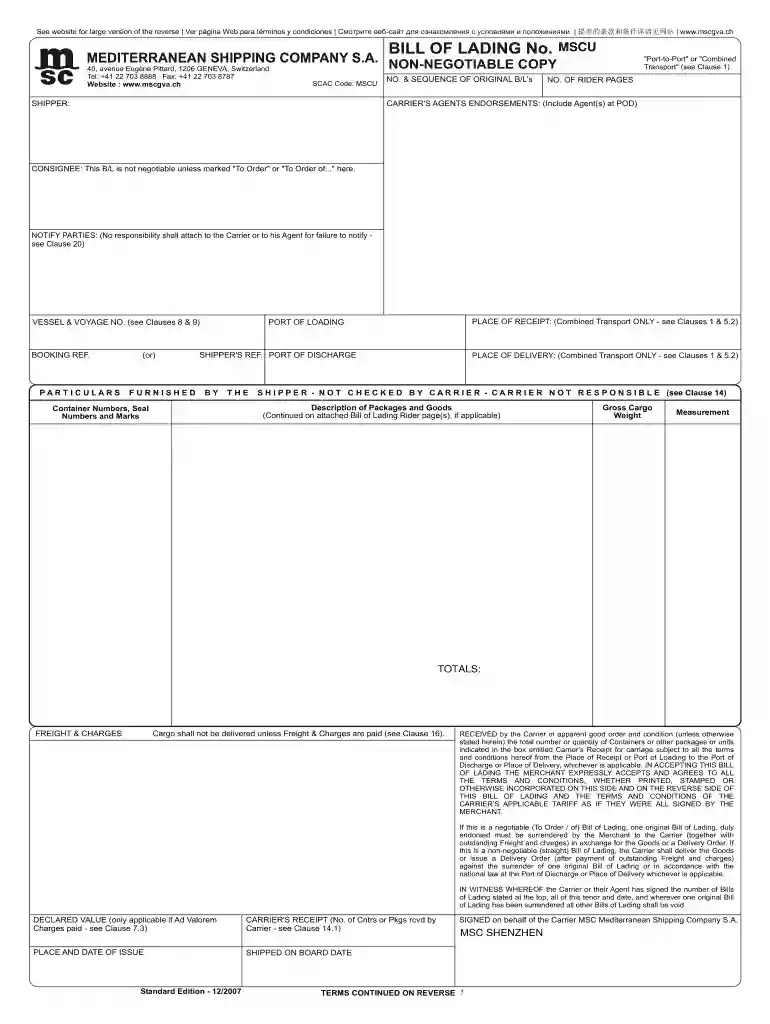
msc bill of lading sample Preview on Page 1

Here's how it works

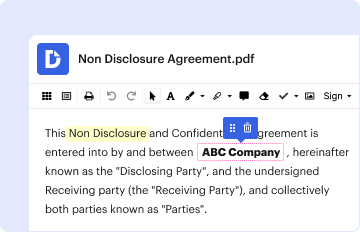
01. Edit your msc bill of lading sample online
Type text, add images, blackout confidential details, add comments, highlights and more.

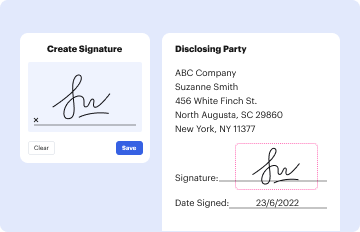
02. Sign it in a few clicks
Draw your signature, type it, upload its image, or use your mobile device as a signature pad.

03. Share your form with others
Send msc bill of lading pdf via email, link, or fax. You can also download it, export it or print it out.

Definition and Meaning of the Bill of Lading

The Bill of Lading (BOL) issued by Mediterranean Shipping Company S.A. (MSC) serves as a critical document in the shipping industry, functioning as a receipt for cargo, a document of title, and a contract of carriage between the shipper and the carrier. Understanding its components is essential for stakeholders involved in the shipping process.

  • Receipt of Cargo: The BOL acknowledges that the carrier has received the specified goods, making it a crucial piece of evidence in case of disputes regarding the handling of shipments.
  • Contract of Carriage: It outlines the terms and conditions agreed upon by the shipper and carrier, detailing responsibilities, liabilities, and processing requirements for the shipment.
  • Document of Title: This allows for the transfer of ownership of the goods described in the bill. The holder of the BOL has the right to claim the goods upon arrival at the destination port.

In summary, the Bill of Lading is indispensable for regulating the journey of goods across international borders, ensuring compliance with applicable regulations, and safeguarding the interests of all parties involved in the shipping process.

Key Elements of the Bill of Lading

Understanding the critical components of the MSC Bill of Lading is essential for accurate handling and management of shipping documents. Each section serves a specific purpose that contributes to the efficient transportation of goods.

  • Shipper Information: This section contains details about the individual or company sending the goods, such as name, address, and contact information.
  • Consignee Information: It identifies who will receive the goods upon arrival at the destination. Essential information typically includes the name, address, and contact details.
  • Vessel Details: This part provides information about the vessel carrying the cargo, including the ship name, registration number, and voyage number, which aids in tracking the shipment.
  • Cargo Details: It encompasses descriptions of the goods being transported, including quantity, weight, and the nature of the items. Proper documentation here ensures compliance with customs regulations.
  • Freight Charges: This section details the payment terms for transporting the goods, including total charges, payment due dates, and any applicable taxes or fees.

Grasping the significance of each element ensures precise entries, which in turn minimizes the risk of shipping delays and disputes.

How to Obtain the Bill of Lading

Acquiring the MSC Bill of Lading requires specific steps to ensure all information is accurate and fully adheres to legal and operational requirements.

  1. Booking Confirmation: Initiate the process by securing a booking with Mediterranean Shipping Company. This typically involves providing essential information about the shipment.
  2. Document Preparation: Prepare all necessary documents, including the commercial invoice, packing list, and customs forms, ensuring alignment with shipping regulations.
  3. Submission: Submit the required information and documents to MSC. This may be done online through their portal or via email, depending on specified preferences.
  4. Receive Bill of Lading: Upon processing your documents, MSC will issue the Bill of Lading. Ensure to review it thoroughly for accuracy before proceeding with shipping.

The availability of digital platforms to handle paperwork streamlines this process, increasing efficiency and reducing the risk of errors.

Steps to Complete the Bill of Lading

Completing the Bill of Lading accurately is a pivotal step in ensuring smooth logistics operations. Follow these detailed instructions to fill out the form properly.

  1. Fill in Shipper and Consignee Information: Enter the full names and addresses of both the shipper and consignee. Accuracy here is non-negotiable to prevent delivery issues.
  2. Describe the Goods: Provide a detailed description of the cargo. Include the type of goods, weight, volume, and any hazardous material designations if applicable.
  3. Specify Payment Terms: Indicate how freight charges will be settled—whether prepaid or collect. Be clear about any additional fees that may apply.
  4. Include Vessel Information: Note the name of the ship and voyage number to ensure tracking accuracy. This data helps ascertain shipping reliability and compliance.
  5. Sign and Date: The shipper must sign and date the document. This denotes acceptance of terms and transforms the document into a legally binding contract.

Following these steps closely ensures that your Bill of Lading meets industry and legal standards, which can protect against disputes.

Legal Use of the Bill of Lading

The Bill of Lading is not just a formal shipping document; it is imbued with legal significance that impacts various parties throughout the shipping lifecycle.

  • Evidence of Shipment: In legal proceedings, the Bill serves as admissible evidence proving that the carrier received the goods.
  • Contractual Obligations: It outlines the carrier’s responsibilities and liabilities, creating a framework for accountability. Failure to adhere to these obligations can lead to legal repercussions for carriers.
  • Rights of Ownership: It authorizes the holder to claim the cargo upon arrival, thereby facilitating the transfer of ownership rights in transit scenarios.

Understanding these legal implications is vital for shippers, carriers, and consignees, as it shapes the expectations and responsibilities of each party involved in the transport of goods.

Why Should You Use the Bill of Lading?

Utilizing the Bill of Lading is essential for numerous reasons centered around its function as a protective tool in international trade.

  • Risk Management: The document helps mitigate risks by clarifying the responsibilities between all parties, reducing potential disputes.
  • Facilitates Customs Clearance: It provides necessary proof for customs applications, ensuring that goods can move across borders smoothly.
  • Streamlines Payment Processes: By outlining freight charges and payment terms, it simplifies financial transactions related to shipping.

Overall, the Bill of Lading is pivotal for maintaining order and clarity in international shipping operations.

See more BILL OF LADING No MEDITERRANEAN SHIPPING COMPANY SA NON versions

We've got more versions of the BILL OF LADING No MEDITERRANEAN SHIPPING COMPANY SA NON form. Select the right BILL OF LADING No MEDITERRANEAN SHIPPING COMPANY SA NON version from the list and start editing it straight away!
Versions Form popularity Fillable & printable
2007 4.8 Satisfied (240 Votes)
be ready to get more

Complete this form in 5 minutes or less

Get form

Security and compliance

At DocHub, your data security is our priority. We follow HIPAA, SOC2, GDPR, and other standards, so you can work on your documents with confidence.

Learn more
ccpa2
pci-dss
gdpr-compliance
hipaa
soc-compliance