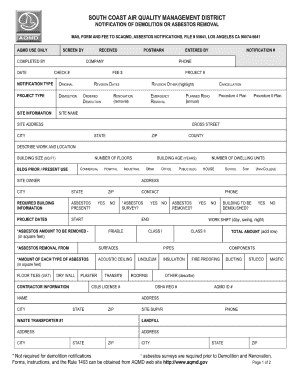
Understanding Energy Assistance Applications
Energy assistance programs are vital for many households needing financial support to manage heating and utility costs. These programs provide aid to low-income residents by covering energy bills or providing weatherization services to improve energy efficiency. Understanding how to apply for these programs can help eligible individuals receive the assistance they need.
How to Obtain the Energy Assistance Application
To apply for energy assistance, you typically need to obtain the relevant application form. Most states offer these forms through their Department of Human Services or dedicated energy assistance websites. In some areas, local community organizations may also distribute the forms. Applications may be available online for download or can be picked up in person at designated locations.
Steps to Complete the Energy Assistance Application
- Gather Required Information: Collect all necessary details, including household income, number of residents, and proof of identity.
- Fill Out the Application: Complete every section of the form accurately. Double-check for any errors that might delay processing.
- Attach Required Documents: Include income proofs, utility bills, and identification documents to verify eligibility.
- Submit the Application: Follow instructions for submission, whether online, by mail, or in-person at a specific office.
Required Documents for Energy Assistance Applications
- Income Documentation: Pay stubs, tax returns, or social security benefits letter.
- Identification Proof: Driver's license, state ID, or passport.
- Utility Bills: Recent gas, electricity, or heating fuel bills to validate assistance need.
Collecting these documents ahead of time ensures a smoother application process.
Eligibility Criteria for Energy Assistance
Eligibility for energy assistance usually depends on several factors, including:
- Income Level: Must fall within a certain range based on federal poverty guidelines.
- Household Size: Larger households may qualify with higher income limits.
- Residency Status: Must be a legal resident of the state where applying.
These criteria ensure that assistance is directed to those most in need.


Application Process and Approval Times
Once submitted, applications are reviewed by the state’s energy assistance program or related agencies. Approval times can vary, typically ranging from a few weeks to a couple of months, depending on demand and processing capacity. Applicants are often notified by mail or email regarding the status of their application.
Important Terms Related to Energy Assistance Applications
- Weatherization Programs: Initiatives aimed at improving energy efficiency in homes, reducing utility bills long-term.
- Income Verification: A process to assess applicants' income level for eligibility determination.
- Federal Poverty Guidelines: A measure of income issued annually by the Department of Health and Human Services used to determine eligibility for various programs.
Understanding these terms can clarify communications and requirements during the application process.
State-by-State Differences in Energy Assistance Programs
Programs and eligibility criteria can vary significantly from one state to another. For example, some states may offer more substantial benefits or include additional utility types under their assistance programs. It's crucial to refer to your specific state’s resources for the most accurate and relevant information.
Submission Methods for Energy Assistance Applications
Depending on state and program specifics, applications can often be submitted:
- Online: Through a dedicated portal on the state's energy assistance website.
- By Mail: Sent to a designated address listed on the application form.
- In-Person: Submitted at a local office of the Department of Human Services or partnering organizations.
Different submission methods provide flexibility, accommodating applicants with varying access to resources.
By understanding these detailed aspects of energy assistance applications, eligible individuals can navigate the process more effectively and ensure they receive crucial support in managing their energy costs.