





Understanding the Information Resources Department of Energy - Energy
The Information Resources Department of Energy - Energy form is integral to managing energy information and resources. This form serves various stakeholders, including energy industry professionals, researchers, and government bodies needing to handle energy data efficiently. It encompasses details essential for compliance and operational use within the U.S. energy sector, ensuring that relevant energy-related tasks and information processes are structured and clear.
Definition & Meaning
The form titled Information Resources Department of Energy - Energy encapsulates specific data requirements and guidelines pivotal for the collection, analysis, and dissemination of energy resource information. This form is significant in maintaining the standardization and clarity of energy data used within governmental and professional circles. Its content not only defines the parameters within which energy data should be managed but also aligns with regulatory standards pivotal for informed decision-making in energy policy and management.
Steps to Complete the Information Resources Department of Energy - Energy
-
Gather Required Information: Compile all necessary data relevant to the energy project or resource under review, including technical specifications and compliance documentation.
-
Complete Required Sections: Fill in mandatory fields with precise and accurate data to ensure the form meets regulatory stipulations.
-
Verification and Compliance Check: Ensure the inputted information aligns with compliance requirements specified by energy regulatory authorities.
-
Submission: Present the completed form through designated channels, which could include electronic submissions or physical mail, based on guidelines provided.
Key Elements of the Information Resources Department of Energy - Energy
-
Applicant Details: Essential identifications like name, organization, and contact information of the applicant or entity responsible.
-
Energy Specification Data: Offers a detailed breakdown of the energy resource, including type, capacity, and other technical specifications essential for accurate data representation.
-
Compliance and Legal Aspects: Involves assurance and declaration sections confirming adherence to legal stipulations for usage and disclosure.
Who Typically Uses the Information Resources Department of Energy - Energy
Energy professionals from various sectors commonly use this form. It serves researchers seeking to study energy data, governmental agencies in charge of energy regulation, and businesses involved in energy resources, ensuring all parties adhere to standardized practices. The form is crucial for those needing to provide detailed accounts of energy resources within legal and operational scopes.


How to Obtain the Information Resources Department of Energy - Energy
Interested parties can acquire the form through official Department of Energy platforms or government resource centers. Digital downloads might be available on related energy administration websites, facilitating easy access for those needing the document for compliance or educational purposes.
Important Terms Related to Information Resources Department of Energy - Energy
-
Energy Compliance: Legal requirements associated with managing energy resources and data.
-
Technical Specifications: Detailed information about energy capacity, types, and operational characteristics.
-
Disclosure Requirements: Mandates regarding the sharing and management of energy-related data under legal and ethical frameworks.
Legal Use of the Information Resources Department of Energy - Energy
The form is fundamentally a legal document, ensuring users manage energy data under stringent compliance rules. Its legal utility extends to ensuring that data reported aligns with prescribed energy protocols, aiding in maintaining transparency and accountability.
Penalties for Non-Compliance
Failure to properly complete or comply with the guidelines associated with the Information Resources Department of Energy - Energy form can result in significant penalties. These may include fines, operational shutdowns, or other legal actions, particularly if data mismanagement leads to misinformation or regulatory breaches.
Software Compatibility
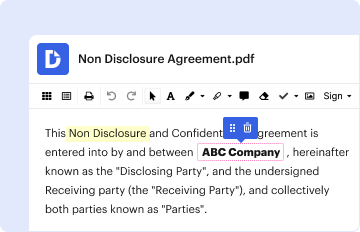
For those handling this form digitally, compatibility with software like Adobe Acrobat for PDFs, or integration with document management solutions such as DocHub, enhances the efficiency of managing, editing, and submitting the form. This ensures users can streamline processes without technical hurdles, maintaining the form's integrities such as structure and data authentication.