Definition & Meaning
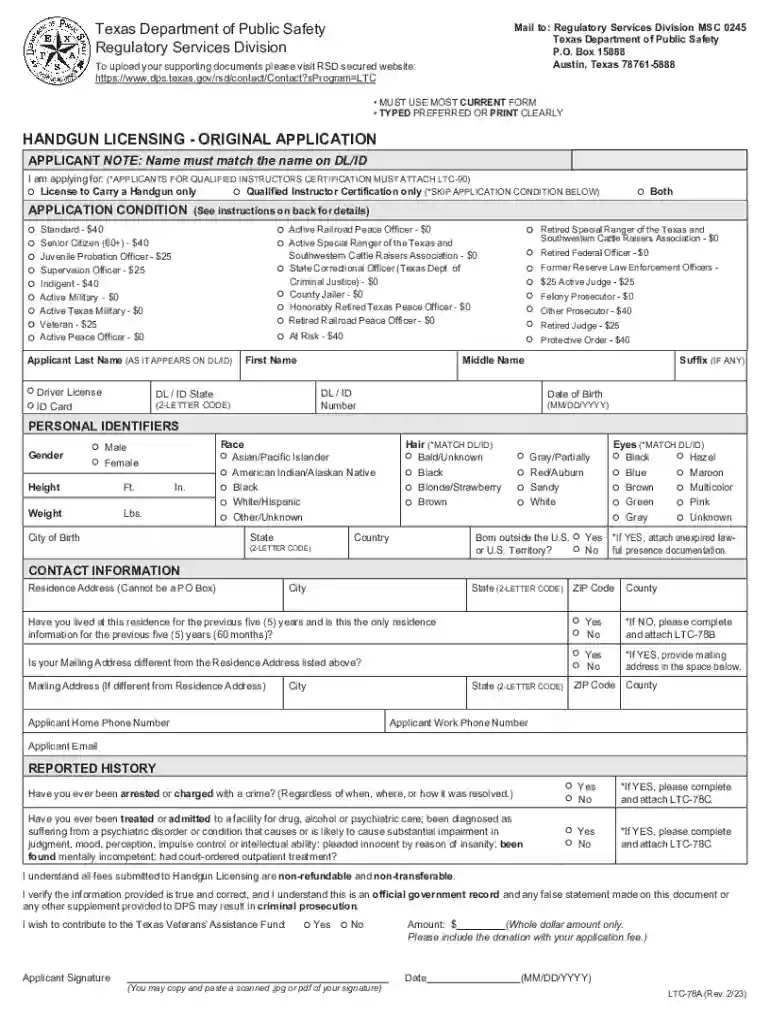
The term "form online" generally refers to any document or application that can be accessed, filled out, submitted, or managed through a digital platform rather than traditional paper methods. These forms are an integral part of modern document management, allowing users to complete processes quickly and efficiently from any internet-enabled device. Whether it's for tax, business, or personal purposes, the "form online" offers flexibility and convenience without the need for physical paperwork.
Forms available online can range from simple contact forms on a website to complex legal documents or tax forms required by governmental entities. The digital nature not only reduces the environmental impact but also enhances accessibility for users across various geographical locations.
Practical Usage
- Tax Forms: Individuals can submit important documents like W-2s or 1099s digitally.
- Business Applications: Includes registration forms, financial statements, or membership applications.
- Legal Documents: Forms for power of attorney, nondisclosure agreements, or lease agreements.
- Personal Purposes: Registrations for events, surveys, or educational course applications.
How to Use the Form Online
Using a form online involves a few straightforward steps designed to ease the process of data submission and collection. This streamlined approach benefits both the form issuer and the user, minimizing errors and increasing efficiency in processing.
Step-by-Step Process
- Access the Form: Locate the specific form you need, usually downloadable from an organization's website or an online document management service like DocHub.
- Read Instructions: Some forms come with detailed guidelines to ensure accuracy—review these before starting.
- Fill Out Required Fields: Use a computer, tablet, or smartphone to enter information directly into the form. Many online platforms offer automated prompts to guide the user.
- Attach Supporting Documents: If necessary, upload additional files as attachments to provide supplemental information.
- Review and Submit: Double-check all entered information for accuracy and completeness before submitting the form. Ensure you've adhered to any specified submission deadlines.
Key Elements of the Form Online
When filling out any form online, several critical components need attention to ensure accuracy and completeness. These elements often impact how the form is processed and whether it's accepted by the receiving organization.
Essential Components
- Personal Information Fields: Name, address, contact information, and Social Security number, where applicable.
- Document Identification Number: Some forms have unique numbers for tracking purposes.
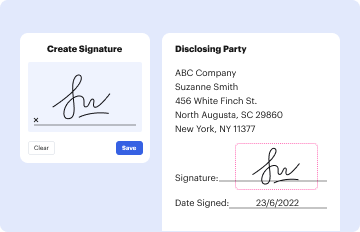
- Signature Requirements: Fields for electronic signatures should be securely completed to legalize the document.
- Mandatory Boxes: Checkboxes or fields that are required to finalize the submission must be filled.
- Deadline Details: Online forms often specify deadlines for submission, which can vary based on purpose and jurisdiction.
Steps to Complete the Form Online
Completing a form online involves a series of systematic steps to ensure all required information is furnished appropriately. Following these steps helps maintain consistency and reduces the likelihood of errors during data entry.
Step-by-Step Instructions
- Download or Open: Begin by downloading the form or opening it directly in a compatible online editor.
- Identify Required Fields: Carefully identify and complete mandatory fields, often marked with an asterisk (*).
- Enter Information: Type necessary information accurately using the keyboard. Ensure names and addresses are spelled correctly.
- Save Progress: Regularly save your work if the option is available, to prevent data loss.
- Review: Proofread all entries before finalizing to catch any inadvertent mistakes.
- Submit: Follow the provided instructions for submission, which may include clicking a submit button or emailing the document.
Legal Use of the Form Online
Forms completed online may carry the same legal weight as their paper counterparts, provided they meet specific criteria. Legal compliance ensures that forms are valid, enforceable, and recognized in legal proceedings.
Compliance Elements
- Electronic Signature: Must adhere to the Electronic Signatures in Global and National Commerce Act (ESIGN).
- Security Protocols: Data entered should be encrypted during submission and storage.
- Verification Processes: Systems may employ identity verification to prevent fraud and ensure authenticity.
- Auditable Trail: Forms often generate a record indicating when and how the form was accessed, edited, and submitted.
Who Typically Uses the Form Online
Forms accessible online cater to a wide variety of users, each seeking to perform specific tasks or satisfy different requirements. Identifying the audience helps tailor the form's design for user convenience.

Typical Users
- Individuals: Private individuals submitting personal tax information or applying for services.
- Businesses: Corporations completing regulatory filings or processing employee documentation.
- Nonprofits: Organizations managing event registrations or grant applications.
- Government Agencies: Departments issuing permits or licenses requiring public interaction and participation.
Required Documents
Often, submitting an online form necessitates additional documentation to support the information provided. Understanding what is required beforehand streamlines the submission process and avoids potential delays.
Common Document Requirements
- Proof of Identity: Such as a driver's license, passport, or birth certificate.
- Financial Statements: Bank statements or recent tax returns, especially for business or loan applications.
- Legal Documents: Copies of previous contracts, agreements, or affidavits relevant to the submission.
- Evidence of Eligibility: Certificates or supporting documents that validate eligibility for the form’s purpose.
Examples of Using the Form Online
Various scenarios illustrate the versatile application of forms online, from simple transactions to complex legal agreements. These examples underscore the utility and flexibility of online forms in everyday tasks.
Use Case Scenarios
- Job Applications: Candidates can apply for roles by filling out digital forms and submitting resumes online.
- Membership Registrations: User-friendly forms allow users to join clubs or associations seamlessly.
- Service Requests: Customers can log issues and request services through online forms, facilitating faster responses.
- Educational Enrollments: Potential students submit applications, transcripts, and other documents digitally to institutions.