




Definition & Meaning
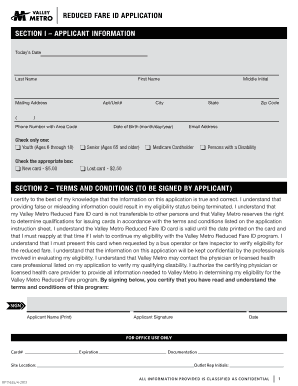
The Utilities Account Transfer FormPDFLaw Of AgencyFee is a comprehensive document utilized primarily to facilitate the transfer of utility services, such as water, gas, and electricity, from one account holder to another. This type of form is often required by utility companies to ensure a seamless transition of service responsibility and billing. It details the personal and company information of the new account holder, as well as the premises details and necessary declarations for the transfer. The form also includes terms and conditions for utility supply and outlines any fees required for processing the transfer. Understanding its purpose is crucial for those seeking to change the account ownership of utility services effectively and legally.
Key Elements of the Form
- Personal Information: Captures the essential details of the current and new account holders.
- Premises Details: Specifies the exact address where the utilities need to be transferred.
- Declarations: Includes sections for necessary acknowledgments by both parties involved in the transfer.
- Terms and Conditions: Lists the obligations and rights of the new account holder regarding utility supply.
- Fee Information: If applicable, the form highlights any agency or processing fees for the transfer.
Steps to Complete the Utilities Account Transfer FormPDFLaw Of AgencyFee
To ensure accuracy and compliance, follow these steps when completing the form:
- Gather Required Information: Collect all necessary details, such as the account number, meter readings, and identification documents for both current and new holders.
- Fill in Personal and Company Information: Complete the sections pertaining to personal details, including names, contact information, and identification numbers.
- Specify Premises Details: Provide the full address and utility account number of the premises where the services are being transferred.
- Complete Declarations Section: Acknowledge the terms and agreements related to the transfer by signing the declarations.
- Review Terms and Conditions: Carefully read and understand the terms of utility supply outlined in the form.
- Attach Required Documentation: Include necessary documents, such as identification copies, proof of ownership, or lease agreements, as specified.
- Submit the Form: Depending on the utility company's preference, submit the completed form and documents via mail, online portal, or in-person.
Required Documents
When filing the Utilities Account Transfer FormPDFLaw Of AgencyFee, certain documents are typically required to validate the transfer:
- Identification Documents: Government-issued ID copies for both the current and new account holders.
- Proof of Ownership or Tenancy: A document such as a deed, lease, or rental agreement confirming the new holder's responsibilities.
- Utility Bills: Recent utility bills to verify account details and ensure accurate information transfer.
- Signature Verification: If not signing in-person, some companies might require a notarized signature or equivalent verification document.
How to Obtain the Utilities Account Transfer FormPDFLaw Of AgencyFee
Obtaining the right form is the first step. Most utility companies provide these forms through various channels:
- Company Website: Many companies offer the form as a downloadable PDF on their official website in the billing or customer service section.
- Customer Service Centers: Visit local branches or call the utility company to request a physical or electronic copy of the form.
- Email or Fax: Some companies might send the form via email or fax upon request.
Who Typically Uses the Utilities Account Transfer FormPDFLaw Of AgencyFee
This form is primarily used by individuals and businesses undergoing the following scenarios:
- Homebuyers and Renters: People moving into a new home or tenant who needs to switch utility accounts to their name.
- Property Managers: When managing multiple properties, they often oversee the transfer of utility accounts for tenants.
- Business Entities: Companies relocating or changing locations that require an update in their utility service account details.


Form Submission Methods
Utility companies generally offer several submission methods for the form to accommodate different preferences and capabilities:
- Online Submission: Through the utility company's official website or an online portal, forms can be uploaded or completed digitally.
- Mail Submission: Physical copies of the form, along with attachments, can be sent via postal service to the company’s mailing address.
- In-Person Submission: For those preferring a direct handover, forms can be submitted at the company's local customer service offices.
Legal Use of the Utilities Account Transfer FormPDFLaw Of AgencyFee
Completing this form is a legal requirement to ensure that utility services are appropriately billed and managed under the correct account holder. The process helps:
- Prevent Fraud: Ensures that only authorized individuals can access or modify service agreements.
- Maintain Service Continuity: Avoids service disruptions caused by administrative oversights or identity disputes.
- Comply with Regulations: Meets legal norms regarding utility service administration and customer data handling in the U.S.
Important Terms Related to Utilities Account Transfer FormPDFLaw Of AgencyFee
A comprehensive understanding of the terminology is crucial for navigating the form:
- Account Holder: The individual or entity responsible for the utility bills and in whose name the account is registered.
- Service Address: The location where the utilities are being provided and where the service needs to be transferred.
- Signature Verification: A measure to authenticate the identity of signatories involved in the transfer process.
- Conversion Fee: Any charges applicable for changing the account holder name or altering the service agreement.
Utilizing and completing the Utilities Account Transfer FormPDFLaw Of AgencyFee correctly is essential in the seamless transition of utility services from one party to another, ensuring that foundational amenities like electricity, gas, and water remain uninterrupted and fully compliant with local regulations.