



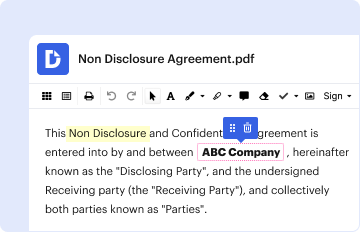
01. Edit your form online
Type text, add images, blackout confidential details, add comments, highlights and more.

Type text, add images, blackout confidential details, add comments, highlights and more.
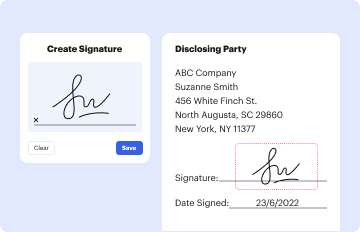
Draw your signature, type it, upload its image, or use your mobile device as a signature pad.
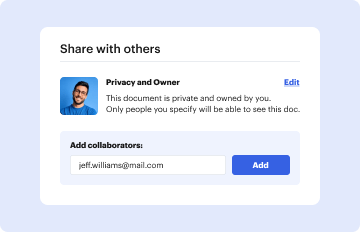
Send it via email, link, or fax. You can also download it, export it or print it out.
The Wilkinsburg Dye Test is an inspection procedure required by the Borough of Wilkinsburg's Code Enforcement Department. It's designed to ensure that properties are in compliance with local regulations concerning stormwater management. The test is essential for identifying illegal connections between the property's roof drain pipes or area drains and the sanitary sewer system. By doing so, it helps prevent stormwater from overwhelming sewage treatment facilities, thereby reducing environmental impact and potential public health risks. Understanding the purpose and requirements of this test is crucial for property owners, especially when transactions involving the sale or transfer of property are involved.
The primary users of the Wilkinsburg Dye Test are:


The test is not only a compliance measure but also an important legal document in property transactions. The certified results can impact the sale, ensuring that a property's drainage systems conform to legal standards. Any illegal connection discovered and not corrected can delay sales and result in refusals to approve property transfers.
Failure to complete a mandatory dye test or provide a certificate of compliance can result in:
We've got more versions of the wilkinsburg dye test form. Select the right wilkinsburg dye test version from the list and start editing it straight away!
You need to use only trustworthy software solutions with strong security compliance to approve your documents electronically. DocHub is just the type of software you need! It stores data on Amazon Web Servers and complies with all required security requirements and eSignature laws, so it’s a reliable way to eSign your wilkinsburg dye test or other documents using this tool.
If you edit your wilkinsburg dye test with DocHub, you will not need to look for other applications or services to eSign it. An electronic signature is part of DocHub’s comprehensive editing toolset, which enables you to apply changes in your form without switching between platforms. Just complete your form, double-check the correctness of the information and put your electronic signature at the end to make it submission-ready within minutes.
At DocHub, your data security is our priority. We follow HIPAA, SOC2, GDPR, and other standards, so you can work on your documents with confidence.
The dyeing laboratory is well fitted up with appropriate work tables, and all the necessary apparatus for doing experimental dyeing, dyetesting, colorvmatching,Read more
Dye Test Application. Email: info@wilkinsburgpa.gov. Phone: (412) 244-2900. Call A Department. Visit Us. Borough of Wilkinsburg. 605 Ross Avenue Wilkinsburg,Read more


