




Definition and Meaning
The Amusement Ride Daily Inspection Checklist is a crucial document used to ensure the safety and operational efficiency of amusement rides. It is typically provided by regulatory bodies like the Kansas Department of Labor to facilitate compliance with state and industry safety standards. The checklist involves detailed procedures for inspecting various components of an amusement ride, from structural integrity to operational controls, ensuring that each ride is in good working condition before it is opened to the public.
Key Elements of the Amusement Ride Daily Inspection Checklist
The checklist comprises several key sections designed to capture comprehensive inspection results:
- Ride Details: Includes ride name, identification number, and manual reference to ensure accurate documentation.
- Inspection Findings: Detailed observations related to key mechanical and safety features, such as brakes, harnesses, and emergency systems.
- Operator Training Verification: Confirms that the ride operator has the necessary qualifications and has completed relevant safety training.
Important Terms Related to the Checklist
- Compliance: Adherence to prescribed safety standards and manufacturer recommendations for ride operations.
- Verification: The process of confirming that all safety measures and operational standards have been met.
Steps to Complete the Amusement Ride Daily Inspection Checklist
- Initial Observation: Conduct a visual inspection of the ride for apparent damages or issues.
- Mechanical Review: Check all mechanical parts, including the ride's motor, gears, and support structures.
- Safety System Check: Test all safety systems, such as emergency stops and safety belts, for functionality.
- Documentation: Record all findings, both satisfactory and unsatisfactory, in the checklist.
- Operator Confirmation: Verify the operator's credentials and training records.
Practical Scenarios
- An inspector notices an issue with a safety harness during the mechanical review. The checklist requires that this is recorded, and the ride is not operated until the issue is resolved.
Why Use the Amusement Ride Daily Inspection Checklist
Ensuring patron safety is the primary reason for using this checklist. Regular inspections can prevent accidents and help maintain compliance with state regulations, thereby fostering a safe recreational environment. Non-compliance not only risks public safety but can also lead to significant legal and financial penalties.
Legal Use and Compliance
- Mandates: Inspections are often mandated by state law, requiring amusement parks to perform daily checks.
- Consequences: Failing to conduct inspections can lead to fines, legal action, and damage to your reputation.
Who Typically Uses the Amusement Ride Daily Inspection Checklist
This checklist is primarily used by amusement park operators, maintenance teams, and safety inspectors. These personnel are responsible for maintaining high safety standards and ensuring that all checks are performed consistently and thoroughly.

Specific Use Cases
- Operators: Verify that all safety standards are met before the ride is operational.
- Maintenance Personnel: Conduct in-depth mechanical checks and repair any issues.
State-Specific Rules
Different states may have unique regulations governing the maintenance and inspection of amusement rides. For example, some may require specific certifications for inspectors or additional elements in their checklists. Understanding these variations is crucial for maintaining compliance.
Form Submission Methods
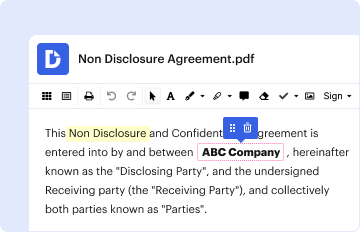
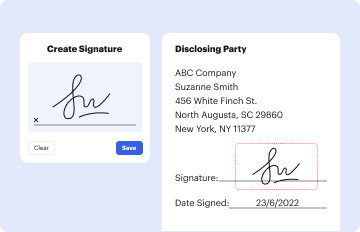
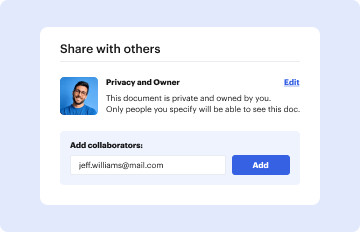
While traditionally completed on paper, the checklist can also be managed digitally, optimizing efficiency and record-keeping. Many platforms, like DocHub, facilitate electronic inspection checklists, ensuring seamless integration with existing digital workflows.
Examples of Using the Amusement Ride Daily Inspection Checklist
The checklist serves various operational scenarios, from daily routine inspections to specific instances prompted by mechanical failure. An inspector performing the checklist might uncover wear in a critical structural component, enabling preemptive repairs and ensuring the safety of ride patrons.
Real-World Scenario
- In Kansas, an amusement park discovers through the checklist that a ride's braking system is not functioning optimally. The checklist prompts immediate corrective action, preventing potential accidents and ensuring compliance with local laws.
Digital Version vs. Paper Version
The choice between digital and paper versions of the checklist often depends on an organization's infrastructure and preference for record-keeping. Digital versions offer benefits like easier storage, retrieval, and integration with other digital systems, enhancing efficiency and accuracy.
Conclusion: Maximum Compliance, Minimum Risk
Effectively utilizing the Amusement Ride Daily Inspection Checklist minimizes operational risks while ensuring a safe and enjoyable experience for visitors. It remains an indispensable tool for all amusement ride operators, underscoring the importance of detailed inspections and adherence to safety protocols to protect both operators and patrons from potential hazards.