



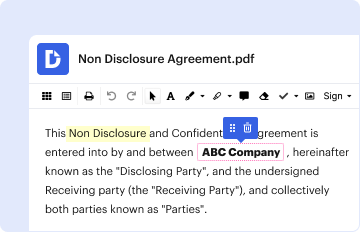
01. Edit your form online
Type text, add images, blackout confidential details, add comments, highlights and more.

Type text, add images, blackout confidential details, add comments, highlights and more.
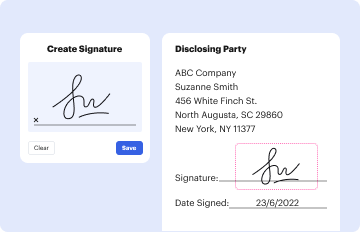
Draw your signature, type it, upload its image, or use your mobile device as a signature pad.

Send it via email, link, or fax. You can also download it, export it or print it out.
The architectural change request form is a formal document used within homeowners' associations (HOAs) to manage and approve modifications that homeowners wish to make to their properties. This form ensures that any changes align with community guidelines and aesthetics, maintaining harmony and compliance within a neighborhood. It typically contains details about the proposed changes, such as materials, involved contractors, and timelines. The importance of this form lies in its role as a communication tool between homeowners and association boards or committees, facilitating a standardized process of vetting and authorizing property changes.
Homeowners can usually obtain the architectural change request form through their HOA's management office or website. Many associations provide downloadable PDF versions on their online portals, ensuring easy access for all members. Alternatively, hard copies may be available upon request from the office. It is essential to check for the most current version of the form to ensure compliance with any updated community rules or procedures. In some cases, associations may offer an online submission system for electronic documentation.
The form comprises several blocks of information critical for the request's evaluation and approval:
Completing the form follows a structured series of steps:
The architectural change request form is essential to protect the aesthetic and financial interests of all residents. It ensures that any modifications to properties do not negatively impact neighborhood harmony or property values. By mandating a formal request process, the form helps prevent unauthorized modifications, disputes among neighbors, and potential legal issues. The form also fosters transparency and communication, establishing a record of agreed-upon changes for future reference.
Typically, homeowners within an HOA-managed community use this form when considering renovations or alterations to their property’s exterior. Board members and architectural review committees also refer to these forms to evaluate and approve or deny such requests. This interaction helps maintain community standards and fosters a cooperative environment between residents and HOA boards, reinforcing mutual respect for shared community guidelines.


Homeowners are legally obligated to submit an architectural change request form before making changes to ensure compliance with local codes and HOA rules. Non-compliance can result in penalties, including fines, forced reversal of unapproved modifications, and legal proceedings. It is crucial for homeowners to understand the legal implications of their actions and the need for formal approval prior to commencing any construction.
Certain states have specific regulations governing how HOAs manage architectural changes. For example, some states require associations to provide decisions within a stipulated time once a request is submitted, while others may enforce strict non-discrimination policies. Homeowners should be aware of any state-specific provisions impacting their submission and approval process, ensuring their requests meet all necessary legal and procedural criteria.
We've got more versions of the architectural change request form form. Select the right architectural change request form version from the list and start editing it straight away!
| Versions | Form popularity | Fillable & printable |
|---|---|---|
| 2010 | 4.9 Satisfied (42 Votes) |
You need to use only reliable software solutions with strong security compliance to sign your paperwork electronically. DocHub is just the type of service you need! It stores data on Amazon Web Servers and complies with all required security criteria and eSignature laws, so it’s a reliable way to eSign your architectural change request form or other documents with this tool.
If you store your paperwork in Google Drive, there is no need to download your architectural change request form on the computer and upload it back to our editor. A much simpler way is to install a browser extension created by DocHub to streamline this flow. The extension allows editing PDFs in your web browser. Alternatively, you may integrate your DocHub and Gmail accounts for more efficient modifying.
At DocHub, your data security is our priority. We follow HIPAA, SOC2, GDPR, and other standards, so you can work on your documents with confidence.


