




01. Edit your form online
Type text, add images, blackout confidential details, add comments, highlights and more.

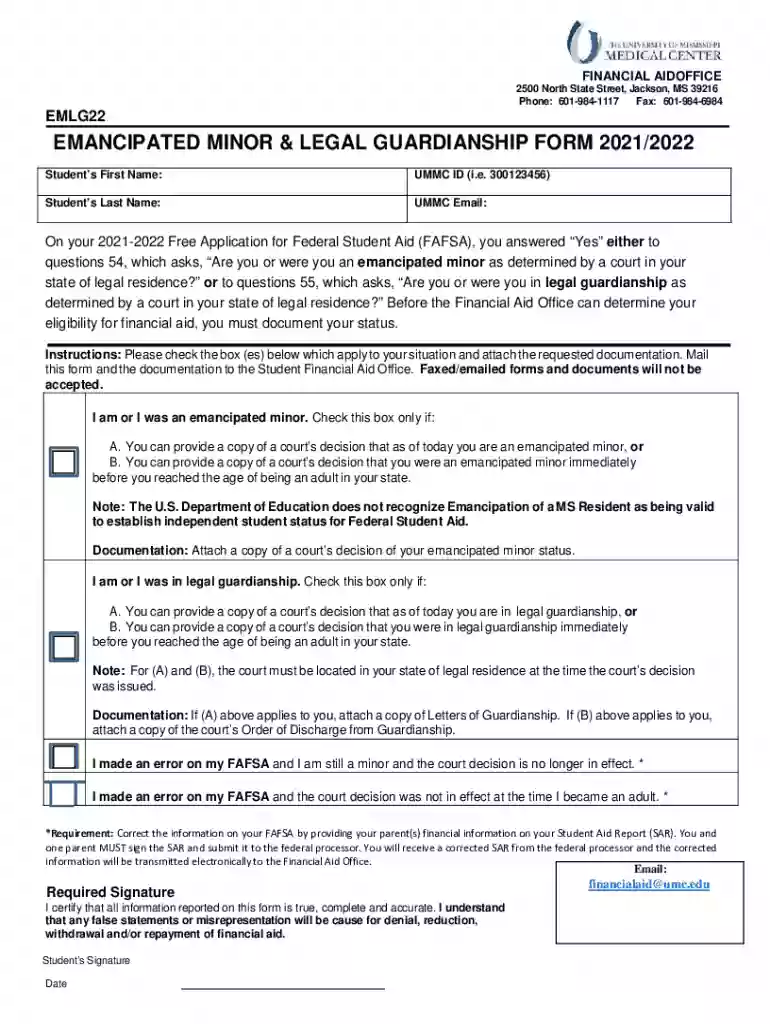
Type text, add images, blackout confidential details, add comments, highlights and more.

Draw your signature, type it, upload its image, or use your mobile device as a signature pad.

Send it via email, link, or fax. You can also download it, export it or print it out.
Forms online are digital versions of documents that can be completed, signed, and submitted via the internet. They serve the same purpose as paper forms but offer convenience and efficiency, eliminating the need for physical copies. This digital transition allows users to manage forms quickly from any location, as long as they have internet access. Whether for personal, educational, or business purposes, online forms streamline processes by making data collection and submission seamless. For modern document workflows, they play an integral role by facilitating swift, secure exchanges of information.
Utilizing forms online is generally straightforward, but it helps to break down the process:
Access the Form: Locate the form you need on the website offering it, such as a financial aid office or a government agency.
Fill Out the Form: Use the provided fields to enter your information. This can include text boxes for typing, dropdown menus for selections, and checkboxes.
Sign the Form: If a signature is required, platforms like DocHub allow you to create an electronic signature using a mouse, trackpad, or touchscreen.
Submit the Form: Once completed, you simply click a submit button to send the form electronically. Many platforms also enable downloading a copy for your records.
Completing an online form involves several key steps to ensure accuracy and completeness:
Review Requirements: Before starting, gather all necessary documents and information you will need to fill out the form.
Enter Information: Begin by inputting your details into the designated fields, ensuring each section is filled completely and accurately.
Attach Supporting Documents: Upload any required documents directly to the form if the platform allows attachments.
Review Details: Double-check all entries for errors or omissions, which could delay processing or lead to a rejection of the form.
Sign Digitally: Use a digital signature to finalize the form. Tools like DocHub provide secure and legally binding ways to sign online.
Submit and Confirm: Submit the form and look for an on-screen confirmation or follow-up email to ensure successful submission.
The advantages of using forms online are numerous:
Forms online are utilized by a broad range of users:
Their versatility makes them applicable across various fields and industries, simplifying workflows for all involved.
Understanding key terms associated with forms online enhances comprehension:
Familiarity with these terms helps users navigate the online form experience more effectively.
Online forms are legally accepted, provided they comply with relevant standards:
Electronic Signatures in Global and National Commerce Act (ESIGN): This U.S. law grants electronic signatures the same legal status as handwritten ones.
Data Protection Laws: Ensure forms include necessary disclaimers and consent options to comply with privacy regulations like GDPR or HIPAA.
Adherence to these legal standards is crucial for ensuring the authenticity and security of online forms.
Practical scenarios of using online forms provide insight into their utility:
Financial Aid Applications: Students apply for loans or grants through platforms like DocHub without visiting a financial aid office.
Employment Forms: New hires complete HR forms digitally, expediting the onboarding process.
Tax Filings: Taxpayers submit e-filed forms for more efficient processing and quicker returns.
These examples illustrate how online forms facilitate diverse functions across different domains.
We've got more versions of the Emancipated Minor and Legal Guardianship Form form. Select the right Emancipated Minor and Legal Guardianship Form version from the list and start editing it straight away!
At DocHub, your data security is our priority. We follow HIPAA, SOC2, GDPR, and other standards, so you can work on your documents with confidence.
DOCUMENTATION REQUIRED: A copy of the court papers, signed by a judge, verifying that someone other than your parent was appointed as your legal guardian. IfRead more
SCAO-Approved Forms for Use in Emancipation of a Minor. This set of forms is used to either emancipate a minor or to rescind the emancipation of a minor.Read more


