
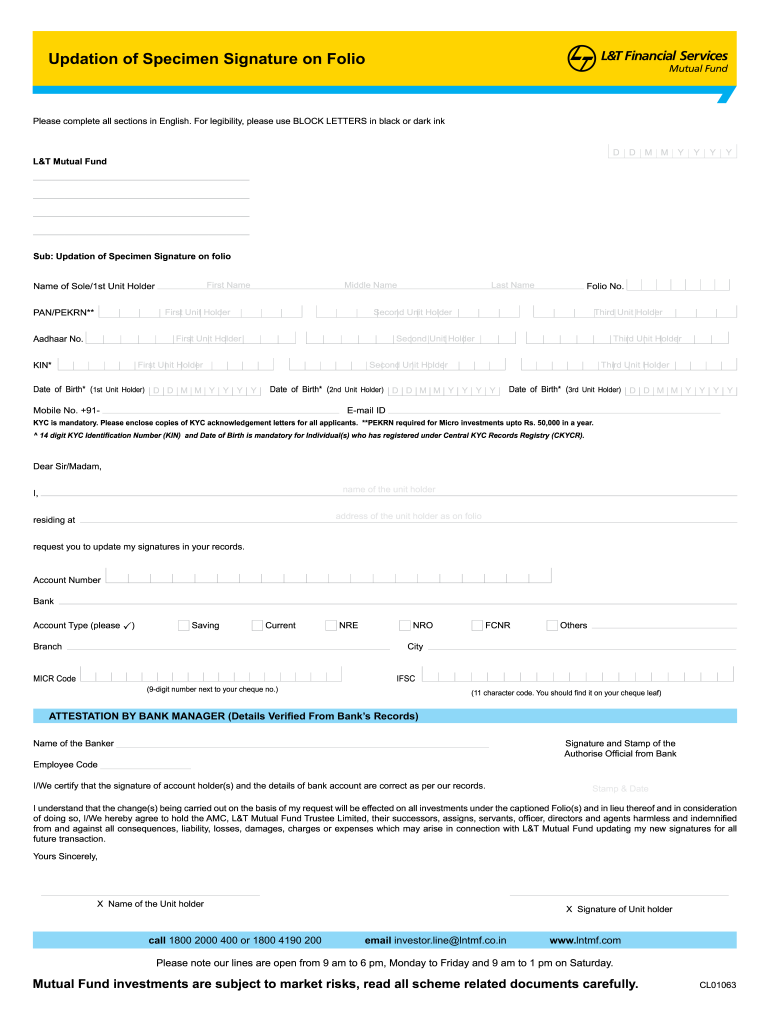







Definition and Meaning of "Please Complete All Sections in English"
"Please complete all sections in English" is a directive often found on various forms or documents that require input from individuals. The instruction emphasizes the necessity for all entries to be filled out using the English language, ensuring uniformity and understanding, particularly for documents subjected to an international audience or needing processing in English-speaking regions. This requirement mitigates potential comprehension issues that could arise from the use of multiple languages, streamlining processing, and reviewing steps within administrative or legal contexts.
Importance of Completing All Sections in English
Ensuring that forms are entirely filled out in English offers several benefits. Firstly, it maintains clarity and consistency, making it easier for reviewers to process the information efficiently. It also minimizes errors associated with transliteration or translation discrepancies. For legal or official documents, adhering to this rule is crucial as it ensures that all information is properly understood and processed by relevant authorities, thereby avoiding possible legal mishaps or compliance issues.
Key Elements of the Form
When dealing with documents featuring the instruction to "please complete all sections in English," several elements are typically present:
- Personal Information: Often includes name, address, and identification numbers. Completing these details in English allows for standardization across diverse demographic entries.
- Specific Sections: These may include areas for financial data, descriptions, or statements, crucial to maintain in a universal language for more accurate data aggregation and analysis.
- Instructions: Follow these carefully to ensure each section is filled as required, maintaining the form's integrity and purpose.
Steps to Complete the Form
-
Read the Instructions Carefully: Begin by thoroughly understanding the form's requirements and guidelines.
-
Gather Necessary Information: Collect all required data, such as personal details and documentation, before starting.
-
Fill Out All Sections in English: Ensure each section is thoroughly completed using clear and correct English. Use tools like language grammars or online language services as needed to assist in accuracy.
-
Review for Errors: Double-check entries for any mistakes or omissions to ensure completeness and correctness.
-
Submit the Form: Follow the form-specific instructions on submission, which could include online entries or physical mail options.
Legal Use of the Form
When completing a form requesting input solely in English, it is important to consider the legal implications of accurately reflecting personal and business data. This accuracy is essential for legally binding documents where any misrepresentation or error could result in invalidation or legal penalties. This is especially crucial in official documents such as tax returns or legal contracts, where compliance to language requirements aids in uniform interpretation and enforcement of the terms contained within the form.
Who Typically Uses This Form
Forms that contain the instruction to "please complete all sections in English" are often utilized by:
-
International Corporations: Ensuring cross-border regulatory compliance in English-speaking regions.
-
Government Bodies: For consistent and effective processing of data in global operations or expatriate management.
-
Legal Entities: Where precise terminology is mandatory for contract enforcement and regulatory adherence.
Commonly Used Terms Relating to This Form
- Applicant: The individual or entity filling out the form.
- Section: Different parts of the form requiring distinct information.
- Compliance: Adhering to the rules and instructions laid out in the form, including language use.
- Translation: Converting content into English if originally in a different language before form submission.
Software Compatibility
For digital forms requiring English completion, software compatibility can influence ease of use:
- Document Management Systems (DMS): Platforms like DocHub can facilitate the completion and submission of forms electronically, while preserving the integrity of English entries.
- Language Tools: Integration with grammar and language-checking applications enhances correctness.
By following the above guidelines and instructions, users ensure that the form fulfills its intended purpose efficiently, legally, and without complications.




