



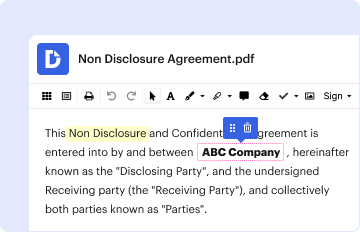
01. Edit your form online
Type text, add images, blackout confidential details, add comments, highlights and more.

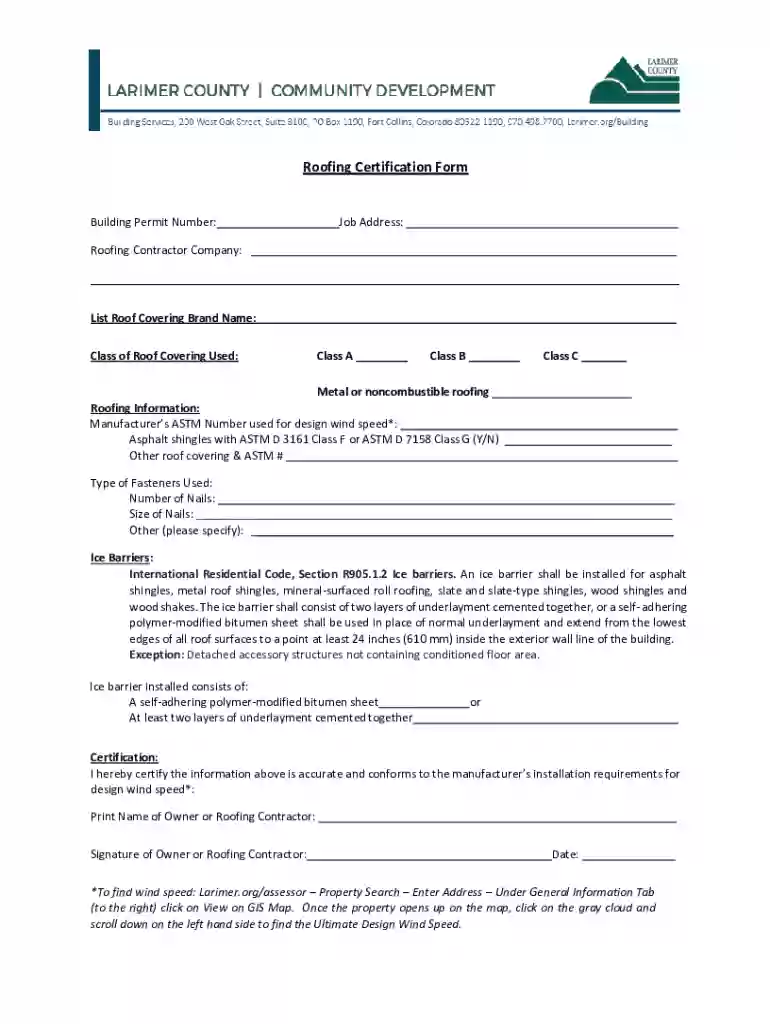
Type text, add images, blackout confidential details, add comments, highlights and more.
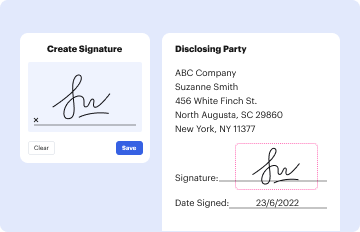
Draw your signature, type it, upload its image, or use your mobile device as a signature pad.

Send it via email, link, or fax. You can also download it, export it or print it out.
The Roofing Certification Form is a critical document that certifies the installation of roofing materials in compliance with local building codes and manufacturer specifications. This form acts as a guarantee that the roofing work adheres to specified safety and quality standards, ensuring the structural integrity and durability of the building. It includes crucial information such as the building permit number, job address, and roofing contractor details, along with technical specifications about the roof covering, fasteners, and any installed ice barriers. The contractor or property owner typically signs a certification statement to affirm compliance with these standards.
Gather Required Information: Before filling out the form, collect all necessary details, including the building permit number, job address, and contractor information. Ensure you have the technical specifications of the materials used, such as the type of roof covering and fasteners.
Fill in Contractor and Client Details: Start by accurately entering the roofing contractor's name, license number, and contact information. Include the property owner’s information if they are different from the contractor.
Detail Technical Specifications: Specify the roof's material type, fasteners, ice barriers, and any particular installation techniques used. This section must be completed with precision, as it reflects compliance with installation standards.
Include a Certification Statement: This section is where the contractor or owner verifies the authenticity and accuracy of the information provided. A legally binding signature is required here.
Review for Accuracy: Double-check all entered information to ensure it is complete and accurate. Any errors or omissions could delay approval or cause compliance issues.
Submit the Form: File the form with the relevant building authority, ensuring you adhere to any state-specific submission requirements or methods.
Contractor Information: This section captures essential details about the roofing contractor, including their certification or license number, contact details, and company name.
Roofing Material Specifications: Outline the type and brand of materials used, including roofing underlayment, coverings, fasteners, and any additional protective barriers.
Installation Details: Provide information on specific installation methods or techniques that ensure adherence to manufacturer guidelines and safety standards.
Certification Statement: A declaration by the contractor or owner verifying that the roofing installation complies with all necessary building codes and regulations.
The form is predominantly used by roofing contractors, building inspectors, property owners, and developers. Each party has a vested interest in ensuring the completion of this form to maintain high standards of safety and quality in roofing projects. Roofing contractors use it to demonstrate the compliance of their work, while building inspectors may require it as part of the inspection and approval process. Property owners and developers use it to certify that their building projects meet local codes and manufacturer guidelines before project closure.


Different states may have unique requirements regarding the submission and completion of the Roofing Certification Form. Some states require specific documentation or additional sections to be filled out, reflecting localized building codes or environmental considerations. For example:
These forms are usually available through local building departments or planning offices. Contractors or property owners can often download them directly from municipal or county websites. In some cases, forms may be available through professional roofing associations or may be distributed directly by roofing material manufacturers.
The Roofing Certification Form serves as a legally binding document, confirming that the roof installation meets the state's safety and regulatory requirements. Failure to submit this form or inaccuracies in the certification can lead to legal repercussions, including fines, project delays, or revocation of occupancy permits. It also acts as a safeguard against potential liabilities that might arise from improper installation practices.
Not adhering to the requirements of the Roofing Certification Form can result in various penalties. These may include monetary fines, mandatory reparative actions, or delays in obtaining final approval for building occupancy. In severe cases, non-compliance could lead to legal action against the contractor or property owner, emphasizing the importance of accurate and thorough completion of the form.
We've got more versions of the Roofing Certification Form form. Select the right Roofing Certification Form version from the list and start editing it straight away!
At DocHub, your data security is our priority. We follow HIPAA, SOC2, GDPR, and other standards, so you can work on your documents with confidence.
LEED certification and Energy Star programs reward reflective roofing. Some municipalities mandate cool roofing for all new commercial construction. Urban
Jul 25, 2025 Each contractor is required to submit a Certificate of Contractor. Registration provided by NYS DOL in accordance with Labor Law. Section 220-iRead more


