




01. Edit your form online
Type text, add images, blackout confidential details, add comments, highlights and more.

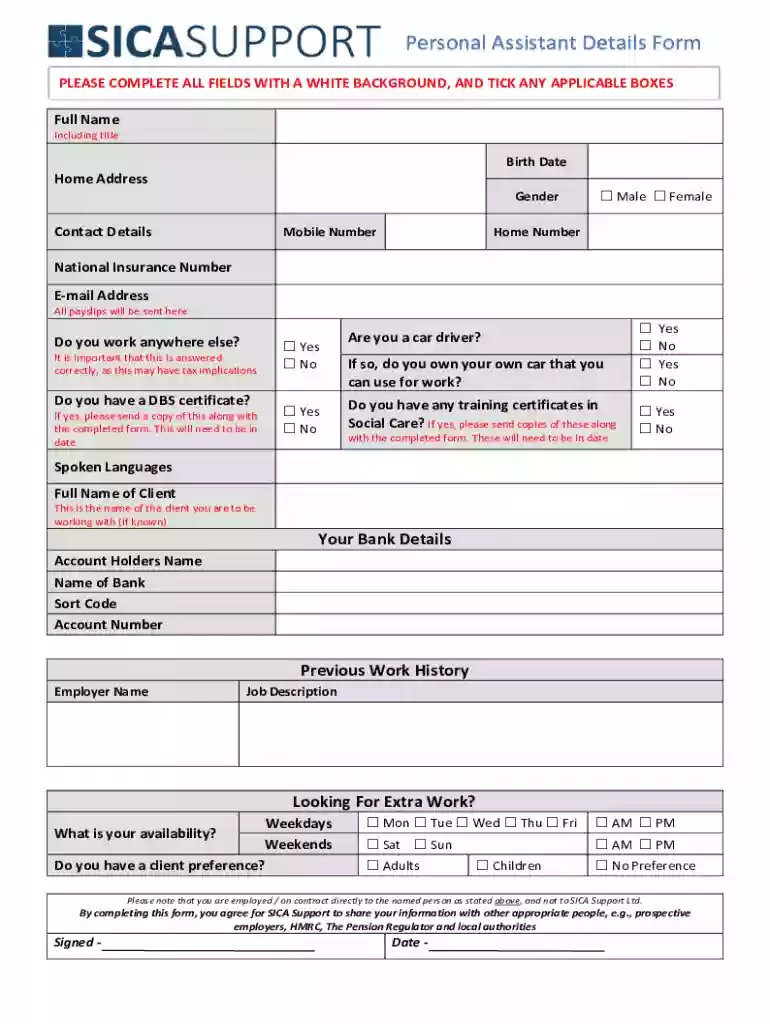
Type text, add images, blackout confidential details, add comments, highlights and more.

Draw your signature, type it, upload its image, or use your mobile device as a signature pad.

Send it via email, link, or fax. You can also download it, export it or print it out.
Install a Form Plugin: Begin by selecting a reliable form plugin compatible with WordPress. Popular choices include WPForms, Contact Form 7, and Ninja Forms. To install, navigate to the WordPress dashboard, click on Plugins, then Add New. Use the search bar to find your chosen plugin, click Install Now, and then Activate.
Create a New Form: Once the plugin is active, locate the plugin’s menu in the WordPress dashboard to start a new form. Typically, you’ll see an option like 'Add New Form.' Choose a template from options such as Simple Contact Form or Blank Form, or start from scratch for a tailored design.
Configure Form Fields: Customize the form fields to collect the necessary information. Common fields include Name, Email, Subject, and Message. You can add fields by dragging them from the left panel into your form. Adjust field options as needed, such as making certain fields required.
Adjust Form Settings: Set up essential elements like notifications and confirmations. In the settings menu, configure email notifications to determine where form entries are sent. Customize confirmation messages to inform users their information has been received.
Add the Form to Your Website: Once the form is configured, add it to a page or post. Typically, this involves copying a shortcode from the plugin and pasting it into the body of your page or post. Use the WordPress Block Editor or Classic Editor to insert the shortcode in the desired location.
Test the Form: Before publishing, test the form to ensure it's functioning correctly. Check each form field, submit entries, and confirm notifications and confirmations are properly set.
Publish and Maintain: Once satisfied, publish your form. Regularly revisit it to address any functionality issues or to update according to user feedback or business requirements.
Contact forms are versatile tools used to facilitate communication between a site’s visitors and its administrators. They serve to enhance user interaction by offering a direct and efficient communication channel. Beyond basic inquiries, forms can be customized for various specific purposes, like feedback collection or event registrations.
Creating a contact form in WordPress allows for streamlined communication between site users and website owners, reducing spam by eliminating the need to publicly display email addresses. It also improves user experience by simplifying the process for visitors to reach out.
WordPress contact forms are used by diverse groups, including business owners seeking customer feedback, non-profit organizations collecting volunteer information, educators facilitating student queries, and bloggers building a bridge with their audience. These forms cater to multiple sectors owing to their flexible and customizable nature.
Most form plugins are compatible with other WordPress tools and general web browsers. They integrate seamlessly with popular software including Google Workspace, Dropbox, and various CRM systems, enhancing the user experience and expanding functionality beyond basic form submission.
The digital nature of WordPress contact forms offers significant advantages over traditional paper forms by ensuring efficiency, security, and environment-friendly practices. They save time, allow for instant submissions, and facilitate easy access from multiple devices, making them a superior choice in the digital-driven landscape.
Unlike formal documents issued by corporate or governmental bodies, WordPress contact forms are typically created and managed by website administrators themselves, exploiting various plugins and digital tools that automate form creation and management processes.
Businesses might use contact forms to capture leads by offering downloadable content in exchange for contact information. Non-profits could use them for volunteer sign-ups or event registration. Bloggers use forms as a channel for readers to submit guest posts or feedback, demonstrating the expansive utility of contact forms beyond mere contact.
We've got more versions of the How to Create a Contact Form in WordPress (Step by Step) form. Select the right How to Create a Contact Form in WordPress (Step by Step) version from the list and start editing it straight away!
At DocHub, your data security is our priority. We follow HIPAA, SOC2, GDPR, and other standards, so you can work on your documents with confidence.
From your WordPress dashboard go to Forms New Form. Give your new form a title and an appropriate description, and click the blue Create button. Remember the
To add fields to a form, make tags* for them and insert them into the form template in the Form tab panel. A tag has a rather complex syntax, but dont worry!
Forms to offer the first-ever solutions-focused WordPress form plugin. You can use our drag and drop WordPress forms plugin to create a contact form


