







Understanding the Gunter Diagram for Rhinoplasty
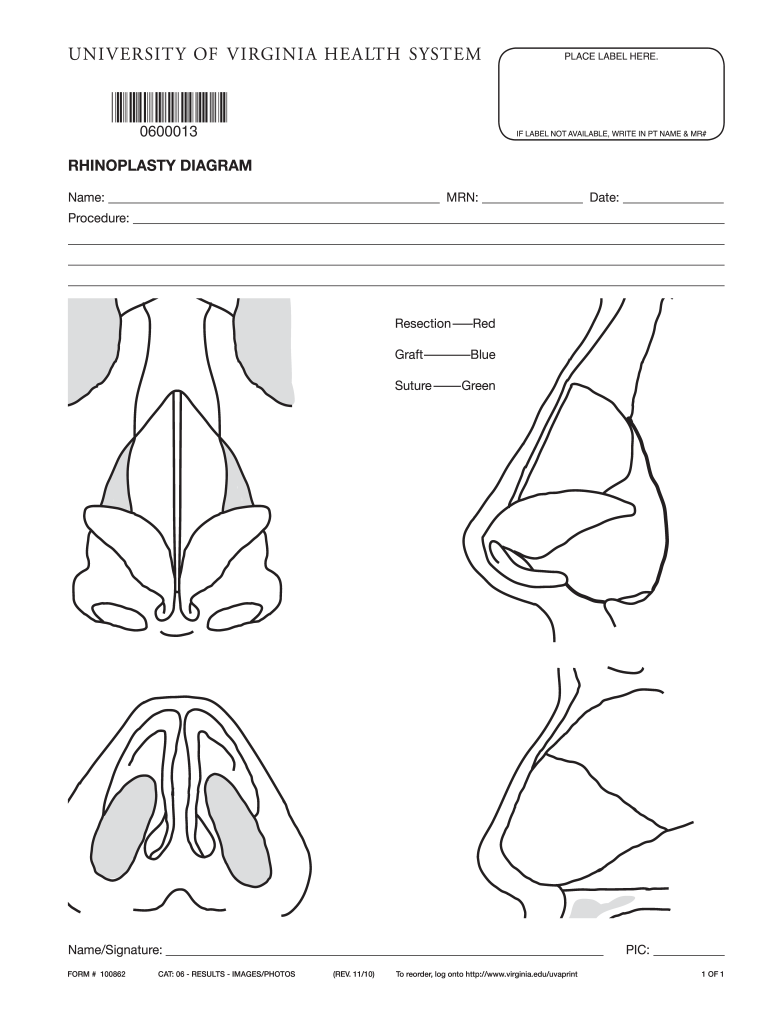
The Gunter diagram is an essential tool used in rhinoplasty procedures, offering a clear visual representation of the surgical approach. It provides detailed annotations that help both surgeons and patients understand the specific areas of modification during surgery.
Key Components of the Gunter Diagram
-
Resection Areas: The diagram delineates sections of the nose that may require removal or reduction. This is vital for achieving desired aesthetic changes while preserving structural integrity.
-
Graft Placement: Indications of where grafts may be applied are illustrated. Grafts can serve to enhance features or support areas that have been adjusted through resection.
-
Suture Lines: The diagram highlights potential suture placements, which is critical for post-operative recovery and aesthetic outcomes.
Providing clear visual cues enables both the surgeon and patient to develop a shared understanding of the surgical plan. It minimizes ambiguities that could affect the patient's expectations and satisfaction.
Utilizing the Gunter Diagram in Pre-Operative Discussions
Before undergoing rhinoplasty, it's crucial for patients to engage in discussions regarding the Gunter diagram with their surgeons. This collaboration ensures informed consent and understanding of the proposed surgical techniques.
-
Visual Aids in Conversations: Surgeons can use the diagram to explain complexities, making it easier for patients to grasp the nuances of the operation.
-
Setting Realistic Expectations: By utilizing the diagram, patients better visualize the anticipated outcomes, which helps in setting achievable expectations.
Clinical Applications of the Gunter Diagram
Rhinoplasty involves various techniques that can vary based on the individual’s unique anatomical characteristics. The Gunter diagram simplifies these complexities:
-
Personalized Surgical Plans: Each patient's diagram can be tailored based on their foundational anatomy and desired results.
-
Educational Tool for Residents: Surgeons in training can utilize the Gunter diagram to learn about rhinoplasty by visualizing procedures undertaken by more experienced colleagues.
-
Documentation for Follow-Up: The diagram serves as a reference point for post-operative assessments and discussions. Surgeons can compare the pre-surgery plans with the outcomes observed during healing.
Importance of Annotations in the Gunter Diagram
Annotations on the Gunter diagram play a pivotal role in the surgical process:
-
Color-Coded Sections: Different colors may indicate various considerations like resection versus augmentation areas, aiding quick comprehension during surgery.
-
Instructions for Changes: Specific notations guide surgeons on how to approach each unique case, based on previous experiences and outcomes documented in similar cases.
Case Studies and Examples of Gunter Diagram Applications
Numerous rhinoplasty procedures have effectively employed the Gunter diagram, resulting in successful outcomes.
-
Example 1: A patient requiring reduction of a dorsal hump benefited greatly from a detailed pre-op explanation driven by the Gunter diagram, allowing for a smoother surgery and recovery phase.
-
Example 2: In a complex case involving grafting, the clarity offered by the diagram helped to visualize the required alterations, contributing to an improved surgical outcome and patient satisfaction.
The Gunter diagram serves not only as a surgical guide but also as an educational resource that enhances understanding, communication, and ultimately, the surgical experience in rhinoplasty.




