
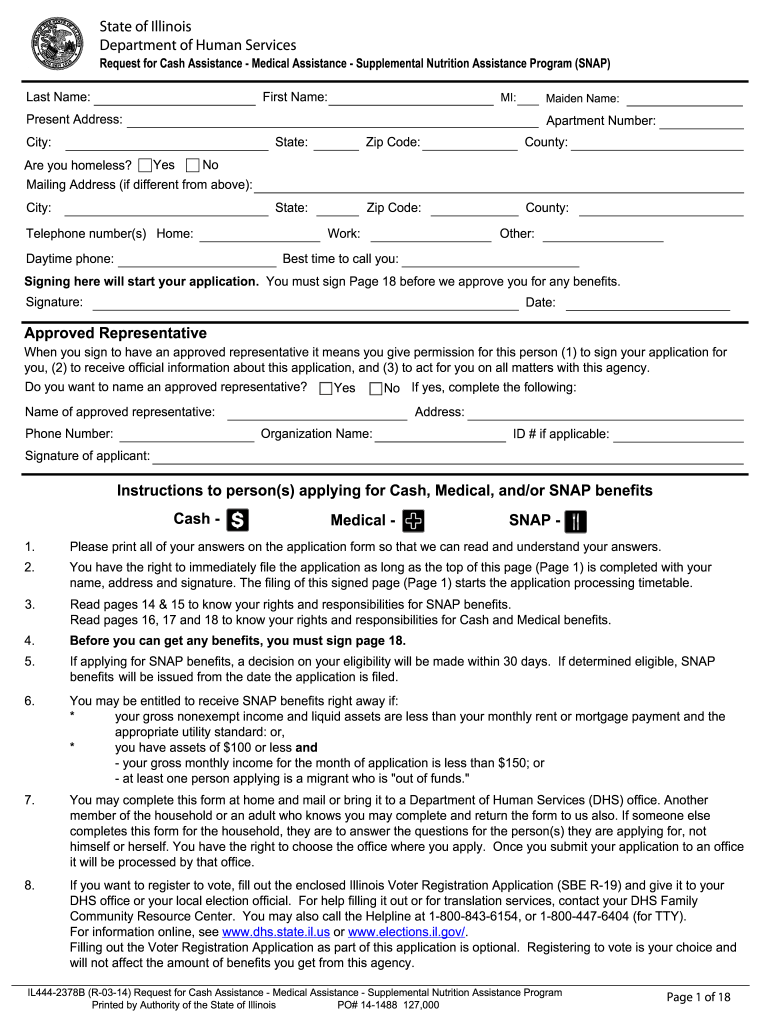







Understanding the Illinois Medicaid Application Form PDF
The Illinois Medicaid application form PDF is a document required for individuals seeking to apply for Medicaid services in the state of Illinois. This program provides healthcare coverage for low-income residents, including families, children, the elderly, and individuals with disabilities. Understanding the function and structure of the form is critical for successful applications.
Purpose of the Illinois Medicaid Application Form PDF
The application form is designed to gather essential information from applicants, helping the Illinois Department of Healthcare and Family Services evaluate eligibility. It requires personal details such as citizenship status, household income, and medical needs.
Key Elements of the Application
- Personal Information: Includes name, address, Social Security number, and date of birth.
- Household Composition: Inquiries about family members living in the same household.
- Income Assessment: Details regarding employment status, wages, and any other income sources.
- Expenses and Healthcare Needs: Information about medical expenses, current treatments, or medications that may affect eligibility.
Steps to Complete the Illinois Medicaid Application Form PDF
Filling out the Illinois Medicaid application form requires careful attention to detail. The step-by-step process ensures applicants provide all necessary information.
- Download the Form: Obtain the Illinois Medicaid application form PDF from the official website or authorized agencies.
- Gather Required Documents: Collect necessary documentation such as proof of income, identification, and any relevant medical records. These documents are crucial, as they substantiate the information provided in the application.
- Fill Out Personal Information: Complete sections detailing your identity, including your Social Security number and contact information.
- Detail Household Members: Accurately list all individuals residing in your home and their respective financial contributions.
- Document Income and Expenses: Clearly state sources of income and provide documentation of medical expenses to aid in the assessment.
- Review and Sign: Double-check all information for accuracy. Ensure all required fields are completed and sign the document where indicated.
Important Documents Required for Illinois Medicaid Application
Completing the Illinois Medicaid application also requires submission of additional documents to support your claims.
- Proof of Identity: Acceptable forms include a driver’s license or state ID.
- Income Verification: Pay stubs, tax returns, or bank statements that demonstrate income levels.
- Medical Documentation: If applicable, provide records that detail ongoing medical treatment or disability status.
- Citizenship Evidence: Documents such as a birth certificate or naturalization papers must confirm citizenship status.
- Expenses Information: Any receipts or testimonies regarding medical expenses or caregiving costs should be included to strengthen the application.
Submission Methods for the Illinois Medicaid Application Form PDF
There are multiple methods for submitting the completed Illinois Medicaid application form, each with specific prerequisites and benefits.
- Online Submission: Most efficient for those with access to the ABE (Application for Benefits Eligibility) website, allowing applicants to complete forms electronically.
- Mail Submission: Download and print the form to send it via postal service to the designated state office. Ensure that adequate postage is applied and consider sending it via certified mail.
- In-Person Submission: Visit local offices to submit the application directly. This may provide opportunities for immediate support or clarification.
Eligibility Criteria for Illinois Medicaid
Understanding the eligibility criteria for Illinois Medicaid is essential for applicants. The criteria may vary based on several factors.
- Income Level: Must fall within the specified limits for household size as established for the current fiscal year.
- Residency: Must be a resident of Illinois.
- Age and Health Status: Typically, eligible applicants include children, pregnant women, elderly individuals, and those with disabilities.
- Application Timeliness: Submissions must be made within designated application periods to be considered for immediate coverage.


Common Reasons for Application Denial
Understanding the reasons that could lead to denial can help applicants avoid pitfalls in the submission process.
- Incomplete Applications: Failing to provide all required information and documents can lead to a denial.
- Ineligible Income Levels: If household income exceeds set limits, the application may not qualify.
- Failure to Respond: Not adhering to requests for additional information or clarification from state offices can result in dismissal.
- Inaccurate Information: Providing false or misleading information intentionally can carry penalties and lead to disqualification.
Example Scenarios for Using the Illinois Medicaid Application Form PDF
Real-world scenarios help clarify how prospective applicants might navigate the Medicaid application process.
- A single parent managing two children searching for healthcare coverage may utilize the Illinois Medicaid application form to demonstrate household income and needs.
- An elderly individual with limited income applying for Medicaid can provide documentation of fixed income sources, such as Social Security, and proof of qualifying medical expenses.
- A disabled person requiring constant medication would need to highlight medical costs on the application to ensure all healthcare needs are addressed.
Digital vs. Paper Version of the Illinois Medicaid Application Form
Both digital and paper versions of the Illinois Medicaid application have distinct advantages.
- Digital Version: Offers convenience with online submission, ease of re-editing, and faster processing times. Applicants have access to real-time updates on their application status via the online portal.
- Paper Version: While it may take longer to process, some individuals may prefer the traditional method for its accessibility without the internet. It also provides the option to include supplementary documents easily.
Understanding how to navigate these forms can significantly enhance the likelihood of a successful application, ensuring proper access to medical resources and support for those in need.




