







Understanding the Notarized Affidavit of Guardianship for DOST
A notarized affidavit of guardianship serves as a vital legal document, particularly utilized in securing educational benefits for minors, such as scholarships from the Department of Science and Technology (DOST) in the Philippines. This document formally declares a guardian's authority to act on behalf of minors entitled to certain benefits, ensuring that their interests are rightly represented and protected.
Key Components of a Notarized Affidavit of Guardianship
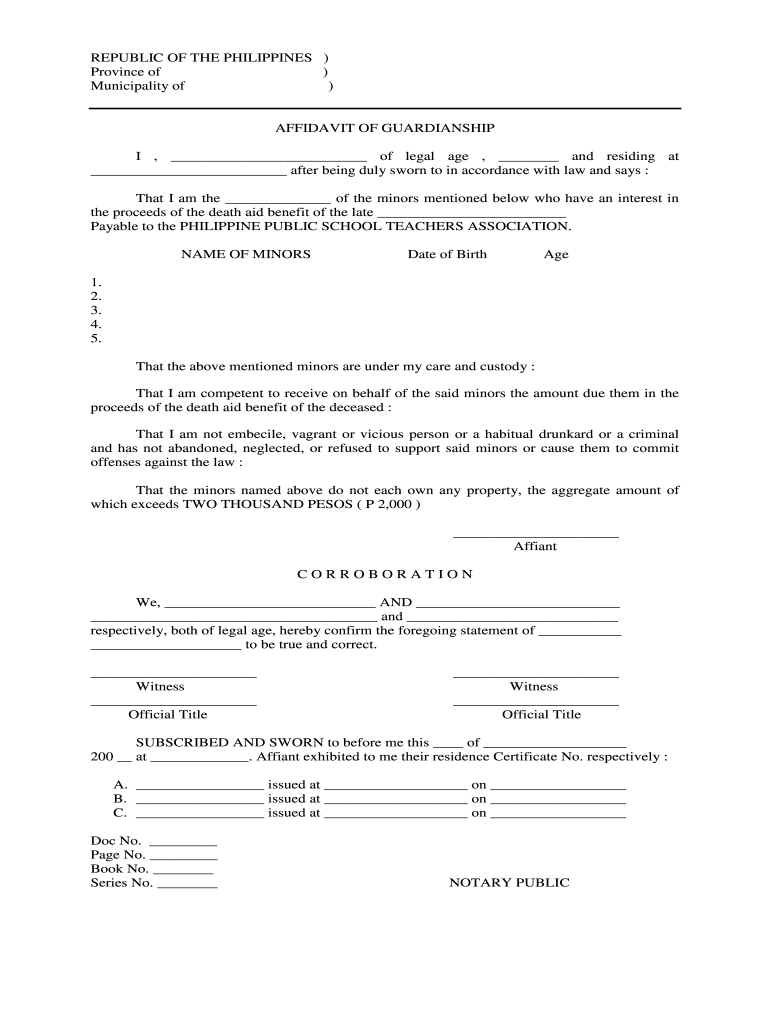
The notarized affidavit of guardianship must contain specific elements to ensure it is legally binding. The following components are typically included:
- Identification of Parties: Both the guardian and the minor must be clearly identified in the document. This includes their full names, dates of birth, and other essential identification details.
- Statement of Guardianship: A clear declaration stating the guardian's role and their authority over the minor. This section may include the reasons for guardianship and the specific privileges granted to the guardian.
- Legal References: Reference to applicable laws or regulations governing guardianship in the Philippines, providing context and legal backing to the claims made in the affidavit.
- Witness Corroboration: In many instances, signatures from witnesses are required to further legitimize the affidavit, indicating that the signing occurred in their presence and that they can vouch for its authenticity.
- Notarization: The final step for the affidavit to hold legal weight is notarization by a licensed notary public. This process confirms that the individuals signing the document are doing so voluntarily and are who they claim to be.
Steps to Obtain a Notarized Affidavit of Guardianship for DOST
Follow these steps to secure a notarized affidavit of guardianship, particularly for educational purposes like those related to DOST scholarships:
- Gather Required Information: Collect all identification details for both the guardian and the minor, including relevant documents proving relationship and eligibility for benefits.
- Draft the Affidavit: Create a draft that includes all necessary components, clearly outlining the guardian’s authority and the reasons for guardianship.
- Seek Legal Guidance (if needed): Consider consulting with a legal professional to ensure that the affidavit meets all legal standards and adequately reflects your circumstances.
- Sign the Affidavit in Presence of Witnesses: Arrange for the signing of the document in front of at least one witness who can later sign to corroborate the affidavit's authenticity.
- Notarize the Document: Take the signed affidavit to a licensed notary public who will notarize the document, making it legally binding.
- Keep Copies: Retain several copies of the notarized affidavit for personal records and to submit to relevant authorities when required.
Importance of a Notarized Affidavit of Guardianship in the Philippines
The notarized affidavit of guardianship is not merely a formal requirement; it provides several critical advantages:
- Legal Protection: It ensures that the guardian has the legal authority to make decisions regarding the minor's education and welfare, protecting both the guardian and the minor.
- Facilitates Access to Benefits: For DOST scholarships, the affidavit serves as proof of guardianship when applying for financial aids or educational benefits.
- Clarifies Responsibilities: By outlining the rights and responsibilities of the guardian, it limits ambiguity in decision-making processes, which can be particularly important in emergencies.
- Fulfills Institutional Requirements: Educational institutions and government agencies often require such documents to confirm eligibility for programs and benefits, helping avoid delays or complications.
Variations of the Affidavit of Guardianship
Depending on the specific purpose, several variations of the affidavit of guardianship may exist, including:
- General Affidavit of Guardianship: Used for a broad range of guardianship issues beyond educational purposes.
- Specialized Forms: Such as those tailored for specific scholarships, like the DOST scholarship, which may include particular clauses or language suited to fulfill that program’s requirements.
- Affidavit of Legal Guardianship: A more formal variation primarily used in legal scenarios where guardianship needs to be established through court proceedings.
Conclusion
A notarized affidavit of guardianship is a fundamental legal tool essential for caregivers seeking to manage minors' educational benefits and rights effectively. Understanding its components and the steps to obtain it ensures the process is smooth and legally sound. Remember to consult with a legal professional if uncertainties arise and to remain aware of any specific requirements related to DOST or other educational institutions.




