



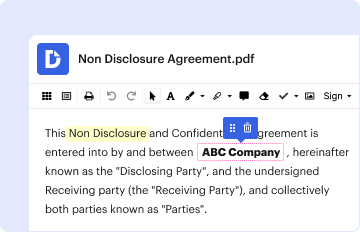
01. Edit your form online
Type text, add images, blackout confidential details, add comments, highlights and more.

Type text, add images, blackout confidential details, add comments, highlights and more.
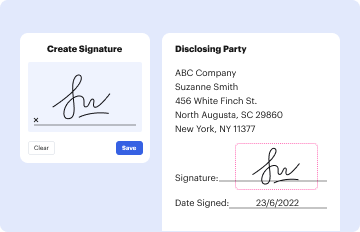
Draw your signature, type it, upload its image, or use your mobile device as a signature pad.
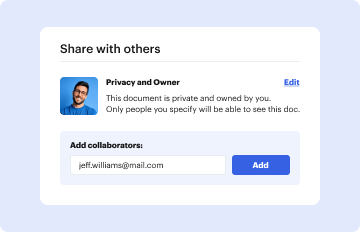
Send it via email, link, or fax. You can also download it, export it or print it out.
The Commercial Driver License (CDL) application form for Class A, B, or C is a vital document for individuals seeking to obtain a license to operate commercial vehicles in the United States. This application is necessary for acquiring learner's permits, full licenses, or waivers. The form serves multiple purposes, including verifying the applicant's eligibility by collecting personal and professional information, such as driving history and medical qualifications. Understanding the classification system is crucial, as it determines the type of vehicles an individual is permitted to operate.
To use the CDL application form effectively, applicants should start by gathering necessary personal information and documentation. This step is crucial to ensure a smooth application process without delays.
Provide the collected details accurately on the form and double-check for any omissions. Incorrect information can lead to processing delays or disqualifications.
Successfully completing the CDL application requires careful attention to detail and a clear understanding of the required steps.
Applicants are required to submit specific documents to satisfy identity, residence, and health requirements set by their state DMV.
States may have additional requirements or variations in the application process. Each state DMV website can provide localized details for completing the CDL application process and any state-specific regulations to be aware of.
Obtaining a CDL involves multiple steps, from initial application to approval, which varies by state but generally follows a structured timeline.
Non-compliance with CDL regulations can lead to serious consequences affecting individuals and their eligibility to hold a commercial license.
The CDL application form ensures that applicants meet federal and state regulations to safely operate commercial vehicles. Adherence to these regulations is crucial for maintaining the validity of the license and for legal operation. Failure to comply with legal requirements can result in penalties, including the potential loss of the ability to work in commercial driving occupations.
Key legal considerations include:
Comprehensive understanding and adherence to these legalities are essential for career longevity and success in the commercial driving industry.
We've got more versions of the COMMERCIAL DRIVER LICENSE APPLICATION CDL CLASS A, B OR C LEARNER S PERMITS, LICENSES OR WAIVERS PRI form. Select the right COMMERCIAL DRIVER LICENSE APPLICATION CDL CLASS A, B OR C LEARNER S PERMITS, LICENSES OR WAIVERS PRI version from the list and start editing it straight away!
At DocHub, your data security is our priority. We follow HIPAA, SOC2, GDPR, and other standards, so you can work on your documents with confidence.
In general, the Class A license allows you to drive everything up to a full-size semi-truck, including everything Class A and Class B license holders can drive.Read more
DMV issues commercial drivers licenses (CDLs) to ensure that drivers meet our high standards for operating commercial motor vehicles.


