
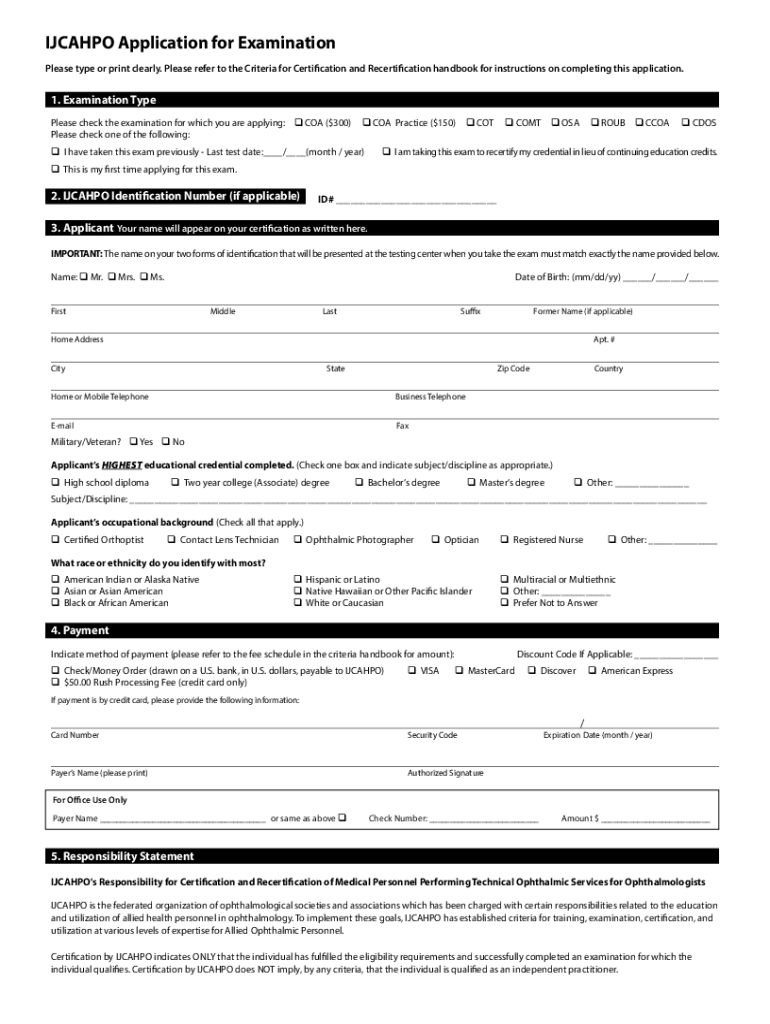







Definition and Meaning of Criteria and Application for Continuing Education Providers
The "Criteria and Application for Continuing Education Providers" is a formal document designed to outline the qualifications and processes required for an individual or organization to become an authorized provider of continuing education. This form typically specifies the standards that must be met in terms of content, instructional quality, and educator credentials to ensure that all educational offerings are valuable and up to date. In the context of continuing education, these providers play a crucial role in maintaining professional standards across various industries by offering training that contributes to the ongoing professional development of individuals.
Purpose of the Document
- Establish Standards: Sets the minimum criteria that must be met to become a recognized continuing education provider.
- Ensure Quality: Maintains high standards for the content and delivery of continuing education programs.
- Professional Development: Supports the continuous educational growth of professionals across different fields.
Contextual Examples
- In the medical field, these criteria ensure that continuing education courses meet specific healthcare standards to enhance patient care.
- For legal professionals, it ensures that courses comply with current laws and practices critical for maintaining licensure.
Steps to Complete the Criteria and Application for Continuing Education Providers
Completing the "Criteria and Application for Continuing Education Providers" involves several key steps that ensure the applicant meets all necessary requirements before approval.
- Review Eligibility Criteria: Before applying, interested parties must check all eligibility factors to ensure they meet specific standards related to their industry.
- Gather Necessary Documentation: Applicants are required to compile all supporting documents such as proof of previous educational credentials, program outlines, and educator qualifications.
- Submit the Application: The completed application and supporting documents must be submitted through the specified submission method, whether online, by mail, or in-person.
- Wait for Approval: After submission, there is typically a waiting period during which the application is reviewed to determine if all criteria are met.
- Receive Feedback or Approval: Once reviewed, the applicant will be notified of approval or receive feedback on areas needing improvement.
Common Challenges
- Incomplete Documentation: A major mistake is not providing all necessary documents, which can delay the approval process.
- Misunderstanding Criteria: Misinterpreting eligibility requirements can lead to application rejection.
Key Elements of the Criteria and Application for Continuing Education Providers
The form is composed of several crucial sections that ensure comprehensive evaluation of potential providers.
Essential Components
- Eligibility Requirements: Defined standards for educational content, instructor qualifications, and facilities.
- Application Form: Sections for personal and organizational details, description of educational programs, and compliance with industry standards.
- Evaluation Procedures: Criteria for assessing the quality and effectiveness of continuing education programs.
Detailed Guidelines
- Offers step-by-step instructions for each section.
- Detailed explanations of each eligibility criterion to assist applicants in meeting required standards.
Application Process and Approval Time
The application process for becoming a provider of continuing education involves meticulous preparation and compliance with industry-specific standards.
Process Overview
- Initial Inquiry: Applicants start by contacting the accrediting body for detailed instructions and required forms.
- Form Submission: Complete and submit the application, ensuring all information and documents are accurate and comprehensive.
- Review Period: The approval body assesses the application, which may take several weeks to months, depending on complexity.
Approval Time
- Time varies significantly by field and governing body. It ranges from several weeks for straightforward applications to several months for more complex evaluations.
Eligibility Criteria for Continuing Education Providers
Eligibility criteria are critical to ensuring that continuing education providers maintain standards that meet industry requirements.


General Criteria
- Content Relevance: Educational programs must be up-to-date with current industry practices.
- Instructor Credentials: Instructors should have verifiable qualifications and experience in their teaching subject.
- Facility Standards: Education providers must have adequate facilities to conduct classes and workshops.
Examples by Industry
- Medical Industry: Requires courses to include updated medical research and practices.
- Legal Education: Courses must cover recent legal changes and courtroom practices.
Examples of Using the Criteria and Application for Continuing Education Providers
Understanding real-world applications helps illustrate how the form benefits various educational programs.
Case Study Examples
- Healthcare Organization: By meeting criteria, a healthcare institution was able to offer certified courses crucial for nurses' recertification.
- Legal Services Firm: A law firm provided approved continuing education courses to attorneys, enhancing their expertise in emerging legal fields.
Diverse Applications
- Helps ensure compliance with state requirements for certified professional development courses.
- Enhances educational quality across various professional settings, such as universities, training institutions, and corporate learning divisions.
Who Typically Uses the Criteria and Application for Continuing Education Providers
Various entities use the criteria and application to secure authorization for offering continuing education courses.

Typical Users
- Educational Institutions: Colleges and universities that offer professional development courses.
- Professional Associations: Organizations representing specific professions, such as engineering, nursing, or teaching.
- Corporate Training Departments: Companies seeking to provide in-house continuing education for their employees.
Impact of Use
- Increases credibility and trustworthiness of the educational programs offered.
- Allows professionals to maintain certification and stay current with industry standards.
Software Compatibility with the Criteria and Application for Continuing Education Providers
Ensuring compatibility with digital tools can streamline the application process.
Compatible Software Platforms
- DocHub: Facilitates the editing, signing, and submission of documents related to continuing education applications.
- Google Workspace: Integrates seamlessly with Google Drive and Gmail for document management.
Benefits of Software Integration
- Efficiency: Speeds up the completion and submission process with real-time collaboration features.
- Security: Protects sensitive applicant information via encryption and secure access protocols.




