




Definition and Meaning
The "voorbeeld petitieformulier" is a petition form utilized for the specific purpose of addressing community concerns or advocating for policy changes. This type of form allows individuals and organizations to formalize requests to governing bodies, often containing structured sections for signatories to support the petition's cause. Unlike a general request, a petition carries legal weight by demonstrating a collective interest in the issue at hand.
The term "voorbeeld" translates to "example" in Dutch, suggesting that this form serves as a standard template for petitions. The purpose of a petition like this is to gather support from stakeholders, which can include citizens, industry professionals, or advocacy groups, to push for legislative action or reform on specific issues.
Legal Implications
Petitions like the voorbeeld petitieformulier are legally supported by the principles of democratic participation. They can lead to legislative debates or inclusion in ballots if they meet specific criteria, such as a threshold number of signatures. In the U.S. context, such forms are fundamental tools in civic engagement, reflecting the democratic process by allowing citizens to express their views directly to decision-makers.
How to Obtain the Voorbeeld Petitieformulier
Obtaining the voorbeeld petitieformulier can vary depending on its intended use and governing jurisdiction. Typically, these forms are accessible from the advocacy organization that initiates the petition or can be downloaded from governmental websites if it's for a broader civic engagement purpose. Before using any template, it is essential to ensure its compliance with local laws and regulations to avoid legal setbacks.
-
Online Platforms: Many online platforms offer templates that comply with jurisdiction-specific regulations. These platforms often provide customizable options to tailor the form to your needs.
-
Governmental Agencies: In the U.S., depending on the petition's subject, local or state government websites may offer official versions. Accessing these sources ensures the format meets the regulatory standards required for formal submissions.
Steps to Complete the Voorbeeld Petitieformulier
Completing the voorbeeld petitieformulier involves several stages, each critical to the petition's validity and effectiveness. Detailed steps ensure clarity and compliance with legal standards.
-
Identify the Purpose: Define the specific issue you are addressing and the change you seek to implement. This clarity is crucial for garnering support.
-
Prepare the Content: Accurately document the details of the issue and the desired remedies. This section should succinctly articulate the problem and proposed solutions.
-
Gather Signatories: Collect signatures of supporting individuals who endorse the petition's content. Ensure that each signatory provides a legal name and contact information for verification purposes.
-
Review for Compliance: Verify that all sections are completed according to the local legal requirements. Missing or incorrect information might render the petition invalid.
-
Submit to Authorities: Present the completed form to the relevant legal or organizational authority for consideration. This submission could be via mail, electronic filing, or in-person, depending on the issuance body’s requirements.
Key Elements of the Voorbeeld Petitieformulier
Core components define the effectiveness and acceptance of the voorbeeld petitieformulier. Understanding these elements ensures your petition is actionable and compliant.
-
Contact Information: Basic details of the petitioner, such as name, address, and contact information, are necessary for legitimacy and follow-up discussions.
-
Statement of Purpose: A clear, concise explanation of the petition's objectives, outlining the changes sought and why they are needed.
-
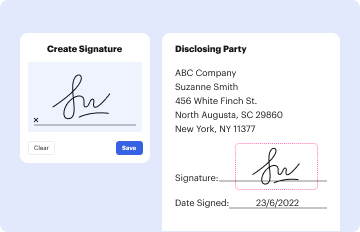
Signature Section: Space for supporters to sign, indicating their endorsement of the petition. This section often includes columns for names, addresses, and dates of signature.
-
Submission Guidelines: Detailed instructions on how to deliver the petition to the appropriate parties, ensuring proper protocol is observed.
Examples of Using the Voorbeeld Petitieformulier
Various scenarios can demonstrate the application of the voorbeeld petitieformulier, each highlighting the form's flexibility and impact potential.
-
Public Health Campaigns: Used to advocate for stricter health regulations, such as managing the effects of modulated microwaves on public health, offering a collective voice to drive policy changes.
-
Environmental Advocacy: Effective for mobilizing community efforts against commercial developments that threaten local ecosystems or when advocating for sustainable practices by industries.
-
Educational Reforms: Engages stakeholders in educational systems to push for policy revisions that benefit students and teachers, such as curriculum updates or resource allocations.
Who Typically Uses the Voorbeeld Petitieformulier
Petition forms like the voorbeeld petitieformulier attract diverse users, unified by shared interests in specific policy outcomes.
-
Civic Groups: Organizations that focus on social justice, community development, and governmental accountability often lead petitions to draw attention to systemic issues requiring public response.
-
Nonprofits and NGOs: These entities seek legislative changes aligned with their mission, utilizing petitions as tools for public support and governmental influence on issues like environmental protection and human rights.
-
Engaged Citizens: Individuals who recognize the power of collective action in addressing societal concerns leverage petitions to voice concerns and drive public discourse.


Digital vs. Paper Version
The choice between digital and paper versions of the voorbeeld petitieformulier can impact its reach and efficiency.
-
Digital Versions: Facilitate broader distribution via online platforms, providing an easier way to gather and verify signatures. They often offer time-stamped submissions and are environmentally friendly.
-
Paper Versions: Preferred in settings where digital access is limited or for formal situations requiring physical documentation. Paper forms provide tangible evidence but may be challenging to manage on a large scale.
Understanding these nuanced differences is crucial in effectively mobilizing support and ensuring compliance with procedural requirements across varying contexts.