



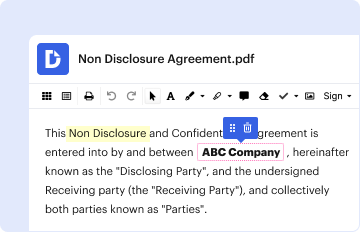
01. Edit your little league bylaws template online
Type text, add images, blackout confidential details, add comments, highlights and more.

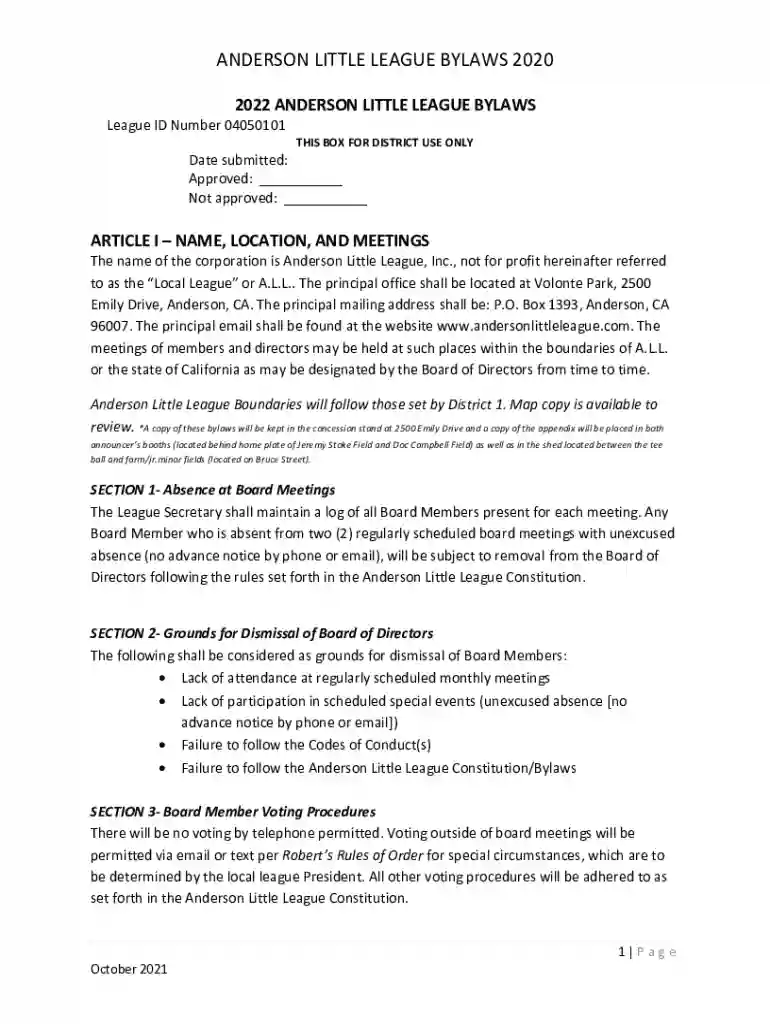
Type text, add images, blackout confidential details, add comments, highlights and more.
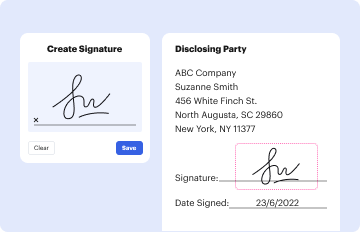
Draw your signature, type it, upload its image, or use your mobile device as a signature pad.
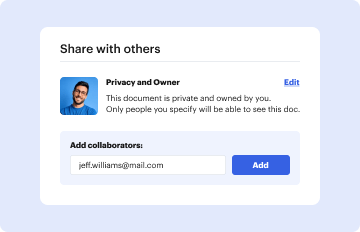
Send little league bylaws via email, link, or fax. You can also download it, export it or print it out.
The Little League Bylaws Template refers to a structured document that outlines the governance framework and operational protocols for Little League organizations. It serves as a comprehensive guide for league administration, detailing responsibilities, procedures, and rules. This template is essential for maintaining organization, ensuring compliance with national regulations, and providing a clear guideline for all stakeholders involved.
In essence, the document encapsulates the league's administrative structure, emphasizing its core mission and values. It delineates the roles and responsibilities of board members, committee chairs, and volunteers, ensuring each participant understands their duties. Additionally, it outlines procedures for meetings, voting, and amendments, establishing a formalized process for decision-making and changes. The bylaws not only protect the interests of the league and its participants but also facilitate a consistent and fair environment.
The core components of the Little League Bylaws Template cover essential areas of league operation and structure:
League Name and Location: Specifies the official name and geographic area of the league.
Board of Directors: Comprises the election process, roles, and duties of board members, ensuring accountability and transparency.
Meetings and Voting Procedures: Outlines the scheduling, quorum requirements, and procedures for conducting meetings and voting on league matters.
Player Registration and Fees: Defines the registration process, including criteria for eligibility and the structure of fees, ensuring equal opportunity for participation.
Insurance and Safety Regulations: Details mandatory insurance requirements and safety protocols to protect participants and reduce liability.
Disciplinary Procedures: Establishes guidelines for handling grievances, disputes, and disciplinary actions to maintain fairness and compliance with league standards.
Game and Play Regulations: Includes rules specific to different divisions, intended to promote fair play and development at every level.
Amendments and Revisions: Provides a structured approach for updating bylaws, ensuring they remain relevant and effective as the league evolves.
Using the Little League Bylaws Template effectively requires understanding each section and its purpose. League administrators can follow these steps to customize and implement the template:
Review the Template: Familiarize yourself with the template's structure, noting sections that directly apply to your league's operations.
Customize for Specific Needs: Tailor the content to address unique aspects of your league, such as local regulations or specific community values.
Involve Key Stakeholders: Engage board members, coaches, and parents in the review process to ensure comprehensive input and buy-in.
Draft and Approve: Formally draft the customized bylaws and present them for approval at a board meeting, adhering to voting procedures outlined in the template.
Distribute and Implement: Once approved, distribute the bylaws to all participants and enforce compliance through regular reviews and updates.
Understanding the terminology used within the Little League Bylaws Template is crucial for all users. Several key terms should be noted:
Quorum: The minimum number of board members required to conduct official business during meetings.
Amendment: A formal change or addition proposed and approved according to the procedure outlined in the bylaws.
Eligibility: Criteria that determine who can participate in league activities, including age, residency, and registration status.
Standing Committee: Permanent committees established to oversee major functions within the league, such as finance, safety, or player development.
Due Process: Procedures ensuring fair treatment through the league's disciplinary system.
Completing the Little League Bylaws Template involves a systematic approach. Here’s a step-by-step guide:
Gather Information: Collect data regarding current league operations, governance structure, and existing rules.
Assign Responsibilities: Designate sections of the template to knowledgeable individuals within the organization to draft specific components.
Draft Sections: Use clear, concise language to draft each section, focusing on clarity and comprehensiveness.
Review Drafts: Distribute drafts among stakeholders for feedback, ensuring all voices are heard and potential oversights are addressed.
Revise and Finalize: Incorporate feedback into the document, making necessary revisions for accuracy and completeness.
Formal Approval: Present the finalized document for approval by the board, ensuring all legal and procedural requirements are met.
Implementation: Communicate the new bylaws to all members and integrate them into league operations with appropriate training and resources.
Real-life examples demonstrate how leagues utilize the bylaws template to enhance their functioning:
Midtown Youth Baseball adapted the template to include environmental sustainability practices, promoting eco-friendly policies in their league.
Springfield Little League incorporated a community service component into their bylaws, encouraging young players to engage in local service projects.
Lincoln Park League used the template to standardize coach training and certification, ensuring a high level of competency across all divisions.
Using the Little League Bylaws Template involves several legal considerations to ensure compliance:
Adherence to Local and National Regulations: The bylaws must align with laws governing not-for-profit organizations, safeguarding legal standing.
Document Retention: Maintain copies of the bylaws and any amendments for legal protection and reference in case of disputes.
Transparency and Fairness: Ensure the bylaws promote equity and transparency in all league-related activities, mitigating the risk of legal challenges.
Dispute Resolution: Clearly define procedures for handling legal disputes or grievances, ensuring they align with broader organizational policies.
Each state may have unique rules affecting how bylaws are implemented for Little League organizations:
Registration and Age Requirements: Differences in state legislation may influence eligibility and registration terms.
Tax-exempt Status: State-specific tax regulations may impact how leagues report income and donations under nonprofit status.
Safety and Compliance Standards: States may impose varying safety standards and compliance checks, affecting insurance and liability provisions in the bylaws.
Education and Training: Some states mandate specific training for volunteers and coaches, necessitating alignment of bylaws with these requirements.
Leagues must be proactive in aligning their bylaws with applicable state laws to ensure legal compliance and operational efficiency.
We've got more versions of the little league bylaws template form. Select the right little league bylaws template version from the list and start editing it straight away!
At DocHub, your data security is our priority. We follow HIPAA, SOC2, GDPR, and other standards, so you can work on your documents with confidence.


