
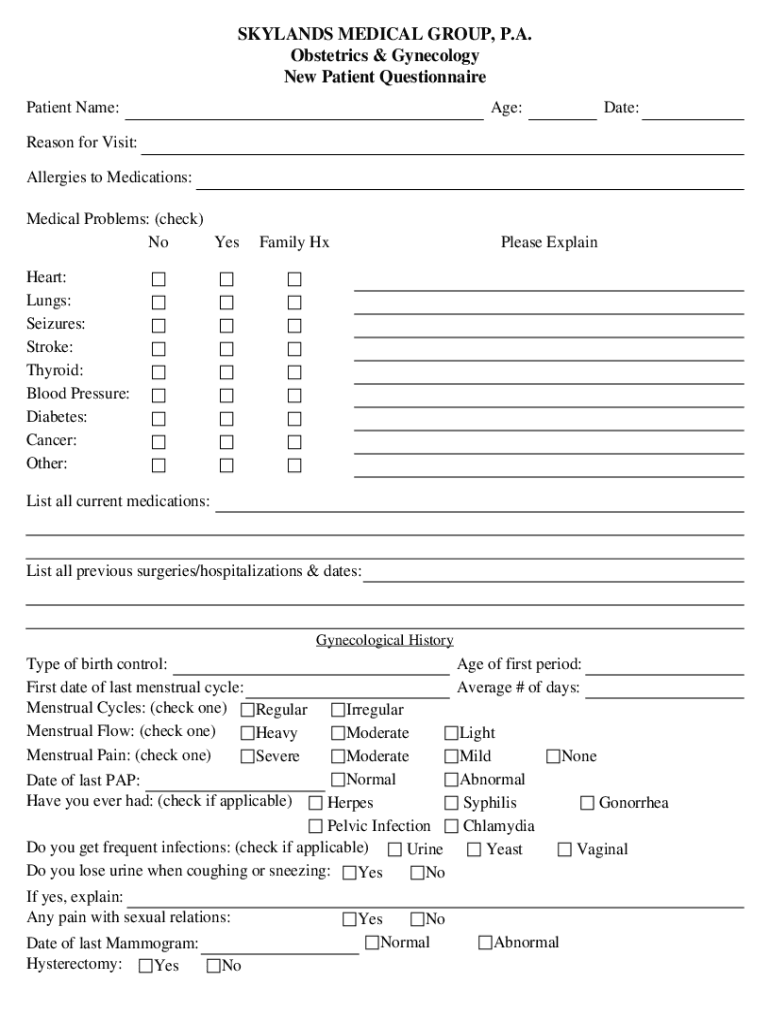







Definition and Meaning of Form Online
Forms online encompass a wide range of digital documents that are designed for completion and submission through the internet. These forms can include anything from tax documents and application forms to surveys and feedback forms. They are crucial for streamlining various administrative tasks by eliminating the need for physical paperwork. The essence of using forms online lies in their ability to facilitate faster processing, wider accessibility, and enhanced convenience for both issuers and recipients. For individuals and businesses alike, leveraging forms online can significantly reduce operational overhead and improve efficiency in information collection and processing.
Steps to Complete the Form Online
-
Access the Form: Begin by locating the required form on the relevant website. This usually involves visiting the corporation or institution's official webpage where the form is hosted.
-
Understand Form Requirements: Thoroughly review the instructions provided at the start of the form. Ensure you are aware of the necessary information and documentation required for completion.
-
Fill Out the Form: Enter all requested details into the appropriate sections of the form. Many online platforms offer auto-fill capabilities to streamline this process.
-
Review Your Entries: Double-check each entry for accuracy and completeness. Any errors or omissions can lead to processing delays or rejection.
-
Submit the Form: Once satisfied with your entries, submit the form electronically. Be sure to receive a confirmation of submission, which may be emailed or displayed as an on-screen notification.
Who Typically Uses the Form Online
The use of forms online is widespread, catering to a diverse array of users. This includes individuals applying for loans, credits, or job positions; businesses conducting transactions or filing taxes; and government entities collecting data or distributing services. Healthcare providers frequently use forms online for patient intake, while educational institutions utilize them for admissions and enrollment processes. Essentially, any scenario requiring structured information collection can benefit from online forms, given their versatility and ease of use.


Key Elements of the Form Online
- Identification Information: Captures personal identifiers such as name, address, and contact details.
- Purpose-Specific Fields: Varies based on form type; for instance, tax forms might require income details, while medical questionnaires seek health history.
- Instructions and Guidelines: Clear instructions are typically presented at the beginning to guide completion.
- Submission Options: Details on how the form can be submitted, including any specific online portals or email addresses.
- Security and Privacy Statements: Information on how submitted data will be used and stored, ensuring user confidentiality and data protection.
Legal Use of the Form Online
Online forms hold legal validity when utilized properly, adhering to jurisdictional requirements. For example, e-signatures captured on these forms are often considered legally binding under the ESIGN Act in the U.S. Organizations using forms online must comply with privacy laws such as the General Data Protection Regulation (GDPR) or the Health Insurance Portability and Accountability Act (HIPAA) where applicable. Compliance ensures that the information collected is lawfully processed and protected against unauthorized access.
Examples of Using the Form Online
- Tax Filing: The IRS allows individuals and businesses to submit tax forms online, streamlining the filing process and reducing errors.
- College Applications: Prospective students utilize online forms to apply to universities and colleges, often submitting required documents alongside their application.
- Insurance Claims: Policyholders can submit claims forms online, attaching necessary evidence such as photos or receipts directly within the form.
- Job Applications: Online forms are a standard part of the recruitment process, allowing applicants to apply for positions and submit resumes conveniently.
Required Documents for Form Online
When completing a form online, you may need to upload supporting documents. These frequently include:
- Identification Proof: Such as a driver's license or passport.
- Financial Documents: Pay stubs, bank statements, or tax returns, particularly for forms involving financial transactions or assessments.
- Medical Records: For health-related forms, providing previous medical history or doctor’s notes might be required.
- Legal Documents: Agreements or notarizations may be necessary, especially for legal and contractual forms.
Form Submission Methods (Online, Mail, In-Person)
While the primary focus is on online submissions for convenience and speed, alternative submission methods exist:
- Mail Submission: Some forms provide the option to print and mail completed documents to the designated address, offering an alternative for those preferring physical documentation.
- In-Person Submission: Certain cases may require in-person submissions, particularly when presenting originals of critical documents or achieving immediate verification.
- Hybrid Methods: A mix of online and offline processes where initial completion is done online, followed by a physical verification step.
Software Compatibility
Many forms online are designed to be compatible with various software and applications to enhance user experience:
- PDF Readers: Forms can often be completed using PDF viewers like Adobe Acrobat Reader.
- Document Editing Tools: Software like Microsoft Word or Google Docs may be used for drafting responses before final submission.
- Accounting Software: Applications like TurboTax or QuickBooks integrate with tax forms, making financial data entry and submission more straightforward.
Through strategic use of these platforms and document types, filling out forms online becomes an efficient, streamlined process that caters to a wide range of administrative, professional, and personal needs.




