Alaska disease report form 2026

Get Form
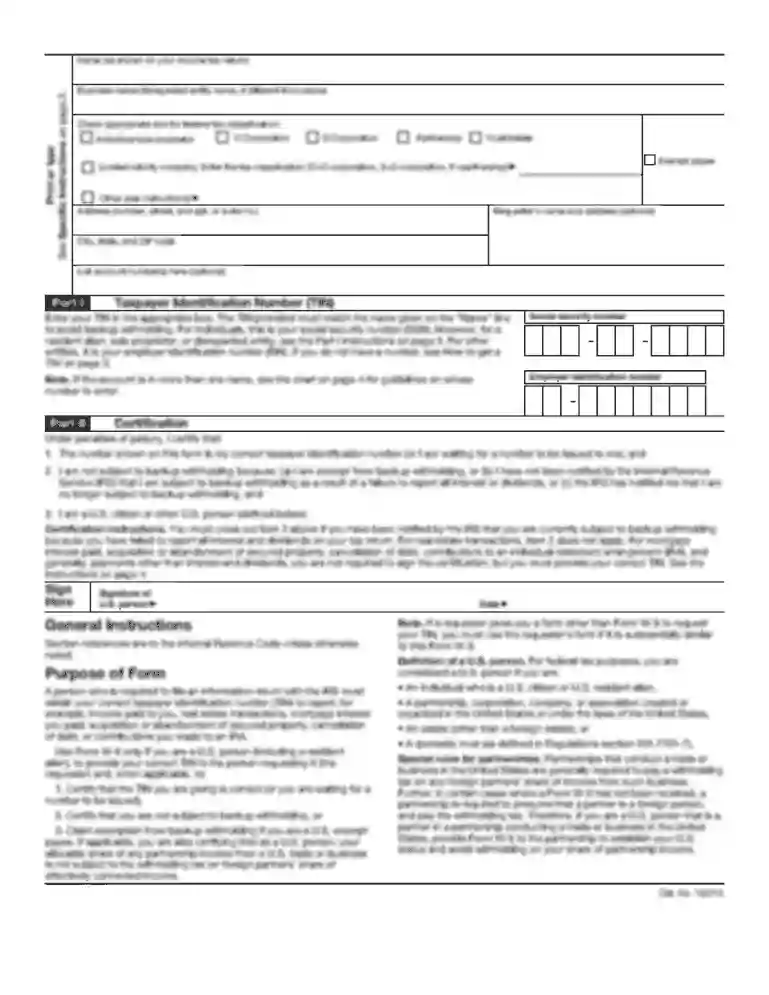
alaska disease report form Preview on Page 1

Here's how it works

01. Edit your form online
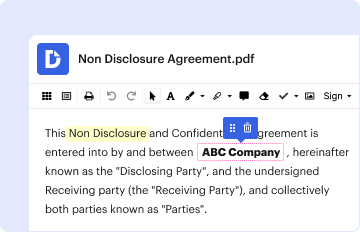
Type text, add images, blackout confidential details, add comments, highlights and more.

02. Sign it in a few clicks
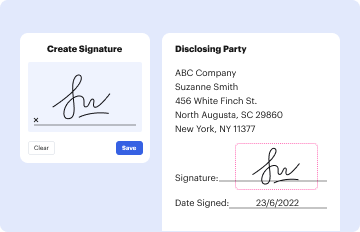
Draw your signature, type it, upload its image, or use your mobile device as a signature pad.

03. Share your form with others
Send it via email, link, or fax. You can also download it, export it or print it out.

Definition & Meaning

The "Alaska Disease Report Form" is a critical document used by healthcare providers in the state to report incidences of specific diseases, notably sexually transmitted diseases (STDs) and HIV. This form serves as an essential tool for maintaining public health surveillance and ensuring timely reporting and management of disease outbreaks. By capturing detailed patient and treatment information, the form facilitates data collection that is crucial for disease monitoring, prevention strategies, and resource allocation within Alaska's healthcare system.

Importance in Public Health Monitoring

  • Enables tracking and management of disease trends.
  • Assists in the rapid response to outbreaks.
  • Provides data for resource planning and healthcare services improvement.

This form's systematic collection of data ensures healthcare providers can accurately report and assist in disease control efforts at state and national levels.

How to Use the Alaska Disease Report Form

The proper usage of the Alaska Disease Report Form involves a systematic approach to ensure that all required information is accurately documented. Here are the steps to efficiently use the form:

  1. Accessing the Form: Healthcare providers can obtain the form from official state health department websites or by directly contacting local health authorities.

  2. Filling Out Patient Information: Include complete patient demographics such as name, address, and contact details. Ensure accuracy to facilitate follow-up if necessary.

  3. Recording Disease Details: Indicate the specific disease being reported, along with clinical findings and diagnosis confirmation.

  4. Treatment Information: Document prescribed treatments, the date of treatment initiation, and any recommendations for partner therapy.

  5. Submission: Follow the form's instructions for submitting the completed document to the appropriate health department office.

Tips for Accurate Form Completion

  • Double-check patient information to prevent data entry errors.
  • Use clear and legible handwriting or digital entry when possible.
  • Seize opportunities for electronic submission to enhance efficiency and timeliness.

Steps to Complete the Alaska Disease Report Form

Completing the Alaska Disease Report Form involves several detailed steps to ensure that all necessary information is thoroughly captured.

  1. Collect Comprehensive Patient Data:

    • Gather all relevant patient information before starting the form.
    • Confirm the accuracy of details such as patient identification and contact information.
  2. Detail Disease and Medical Findings:

    • Clearly indicate the disease, symptoms observed, and any lab results.
    • Use specific medical terminology to describe clinical findings accurately.
  3. Document Treatment Protocols:

    • Outline the treatment prescribed, including dosages and duration.
    • Provide details on any follow-up appointments or additional treatments required.
  4. Ensure Compliance with Submission Procedures:

    • Follow the prescribed method for form submission, whether online, by mail, or in-person.
    • Retain a copy of the completed form for your records.

Common Submission Mistakes to Avoid

  • Omitting crucial patient data, leading to incomplete reports.
  • Misunderstanding instructions for disease categorization and reporting.
  • Delays in submission, affecting public health monitoring efforts.

Key Elements of the Alaska Disease Report Form

The Alaska Disease Report Form contains several essential sections, each serving a specific purpose in disease reporting.

Patient Information

  • Demographics: Name, age, gender, ethnicity, address, and contact details.
  • Identification: Unique patient ID or Social Security Number (if applicable).

Disease Details

  • Diagnosis: Specific disease name and diagnosis date.
  • Symptoms: Description of symptoms and duration.

Treatment Information

  • Medications: Prescribed medications, including dosages and treatment schedules.
  • Follow-up Plans: Recommendations for further treatments or medical consultations.

Reporting Instructions

  • Submission Guidelines: Detailed instructions on how to complete and submit the form.
  • Data Sharing Protocols: Information on how patient data will be used and shared.

Legal Use of the Alaska Disease Report Form

Compliance with Health Regulations

The Alaska Disease Report Form is governed by strict health regulations to ensure patient data is handled with confidentiality and used for lawful purposes. It adheres to:

  • Federal and State Privacy Laws: Ensuring patient information is protected under HIPAA.
  • Public Health Reporting Laws: Mandating timely and accurate disease reporting to public health authorities.

Penalties for Non-Compliance

  • Fines and Sanctions: Healthcare providers failing to report required diseases may face legal penalties.
  • Impact on Medical Licensing: Continuous non-compliance may affect a healthcare provider’s ability to practice.

Ensuring adherence to these legal guidelines is essential for maintaining trust in the healthcare system and supporting public health initiatives.

State-Specific Rules for the Alaska Disease Report Form

Understanding the form's state-specific rules is crucial for accurate compliance and reporting.

Alaska’s Specific Requirements

  • Diseases Required to Report: The list of diseases mandatory for reporting in Alaska may differ from other states.
  • Submission Timeframes: Specific timeframes for submitting completed forms are mandated to ensure timely public health responses.

Adapting to Changes

  • Stay informed about any updates or changes in reporting requirements.
  • Regularly check with the Alaska Department of Health for revisions to the reportable diseases list and submission guidelines.

Software Compatibility

Many healthcare providers in Alaska utilize digital tools to simplify the form submission process.

Compatible Platforms

  • Electronic Health Records (EHR): Some EHR systems directly integrate with reporting software, allowing seamless form completion and submission.
  • Document Management Software: Platforms like DocHub can be used to fill out, annotate, and securely submit the form online, reducing the need for paper-based processes.

Benefits

  • Reduces manual data entry and associated errors.
  • Enhances the speed of report submission, enabling faster public health interventions.

Understanding software compatibility and leveraging digital solutions can significantly enhance the efficiency and accuracy of disease reporting among healthcare providers in Alaska.

See more alaska disease report form versions

We've got more versions of the alaska disease report form form. Select the right alaska disease report form version from the list and start editing it straight away!
Versions Form popularity Fillable & printable
2021 4.8 Satisfied (151 Votes)
2016 4.3 Satisfied (223 Votes)
2014 4.9 Satisfied (49 Votes)
be ready to get more

Complete this form in 5 minutes or less

Get form

Got questions?

We have answers to the most popular questions from our customers. If you can't find an answer to your question, please contact us.
Contact us
smallpox. poliomyelitis due to wild type poliovirus. human influenza caused by a new subtype, and. severe acute respiratory syndrome (SARS).
STIs pass from one person to another through vaginal, oral, and sex. They also can spread through intimate physical contact like heavy petting, though this is not very common.
Alaska has especially high rates of chlamydia, ranking third with a rate of 695.8 cases per 100,000 people in the state. Its syphilis rate is 24.1 cases in 100,000, and the state ranks eighth for gonorrhea, and ninth for congenital syphilis.
A disease that, when diagnosed, requires health providers (usually by law) to report to state or local public health officials. Notifiable diseases are of public interest by reason of their contagiousness, severity, or frequency.
, or report by phone at 907-269-8000. *For Mpox reporting, please fax the Infectious Disease Report Form securely to 907-561- 4239, or report by phone at 907-269-8000. Contact the Section of Epidemiology, /STD Program for assistance.

Security and compliance

At DocHub, your data security is our priority. We follow HIPAA, SOC2, GDPR, and other standards, so you can work on your documents with confidence.

Learn more
ccpa2
pci-dss
gdpr-compliance
hipaa
soc-compliance
be ready to get more

Complete this form in 5 minutes or less

Get form

People also ask

Symptoms of a sexually transmitted infection (STI) can include: an unusual discharge from your , or . pain when peeing. lumps or skin growths around your genitals or bottom () a rash. unusual vaginal bleeding. itchy genitals or . blisters, sores or warts around your genitals or .
requires health care providers to report chlamydia (including LGV), gonorrhea, and chancroid within 7 calendar days of diagnosis and to report syphilis within 1 working day.

Related links