
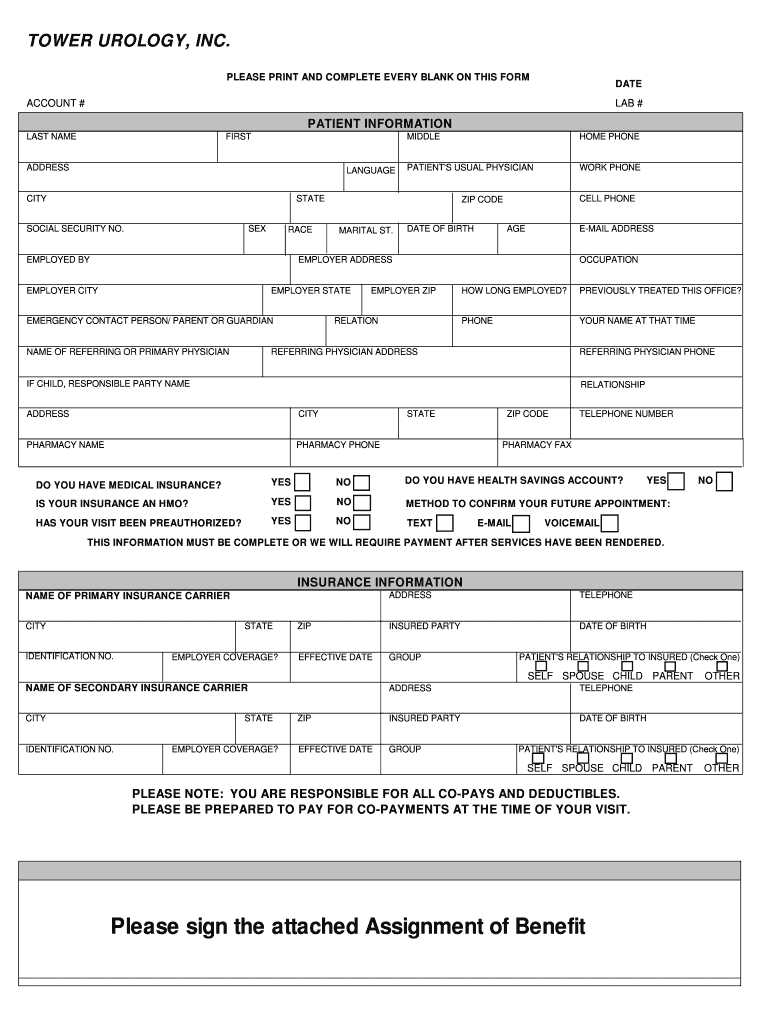







Definition and Meaning of the EncounterLib. Report
The EncounterLib. Report is a specialized document utilized for documenting and managing patient encounters within healthcare facilities. It serves as an essential resource for healthcare providers, offering a standardized format to capture detailed patient information during medical visits. This report is critical for ensuring that patient care is consistent and well-documented, facilitating effective communication among medical staff. It typically includes elements such as patient demographics, medical history, treatment plans, and follow-up instructions. Given its comprehensive nature, the EncounterLib. Report helps streamline healthcare operations by consolidating vital patient data in one place, thereby improving efficiency and accuracy in patient care management.
How to Use the EncounterLib. Report
Using the EncounterLib. Report effectively involves several key steps to ensure complete and accurate data capture. Healthcare providers should start by entering basic patient identification details, including name, date of birth, and contact information. Following this, a detailed medical history should be recorded. It is crucial to document current medications, existing medical conditions, and any previous treatments, as these details provide context for current health concerns.
- Initial Patient Information: Ensure the patient's personal information is accurately recorded.
- Medical History: Provide comprehensive details regarding past and current health issues.
- Treatment and Diagnosis: Use the report to outline the diagnosis made during the encounter and the recommended treatment plan.
- Follow-up Procedures: Highlight the necessary follow-up actions and appointments, ensuring clear instructions are provided for continuity of care.
By adhering to these steps, healthcare providers can maximize the utility of the EncounterLib. Report, ensuring that patient encounters are systematically documented and easily accessible for future reference.
Steps to Complete the EncounterLib. Report
Completing the EncounterLib. Report requires following an established sequence, ensuring critical information is neither overlooked nor inaccurately recorded. Here are the essential steps:
- Patient Details Entry: Begin with inputting the patient's personal information, including any updates since their last visit.
- Comprehensive Medical Assessment: Conduct and document a detailed assessment, capturing symptoms, observations, and initial examinations.
- Diagnostic Information: Clearly record the diagnosis, including any diagnostic tests performed or required.
- Treatment Plan Documentation: Outline the proposed treatment plan, indicating medication, therapy, or procedures necessary.
- Follow-up Scheduling: Specify follow-up appointments and any additional tests required to monitor patient health progress.
Healthcare professionals should review each section thoroughly to ensure completeness and accuracy, thereby enhancing patient care quality and record integrity.
Who Typically Uses the EncounterLib. Report
The EncounterLib. Report is predominantly used by healthcare professionals, including doctors, nurses, and administrative staff within medical facilities. It plays a crucial role for those involved in direct patient care, as well as supporting staff responsible for maintaining patient records. Additionally, medical billing professionals use this report to extract necessary information for insurance claims processing, ensuring that detailed service records are available for billing verification and compliance. In academic settings, medical students and trainees might also use mock EncounterLib. Reports as a learning tool to practice and enhance their patient interaction documentation skills.


Key Elements of the EncounterLib. Report
The EncounterLib. Report comprises several fundamental elements that ensure a comprehensive overview of patient encounters:
- Patient Demographics: Basic information for patient identification, including age, gender, and contact details.
- Medical History: Documentation of past medical events, chronic conditions, and surgical histories.
- Current Visit Summary: Records the reason for the visit, symptoms presented, and findings from physical examinations.
- Diagnosis and Treatment: Details about the diagnosis and the immediate treatment administered during the visit.
- Instructions for Patients: Advice and guidelines given to patients regarding home care, medication, and follow-up visits.
These elements are crucial for providing continuity of care and ensuring that all healthcare team members are informed about each patient encounter.
Software Compatibility for EncounterLib. Report
The EncounterLib. Report can be effectively managed using various software applications that integrate into healthcare information systems. Solutions like electronic health records (EHR) systems support the report’s digital management, ensuring secure, seamless access to patient records. Compatibility with software such as TurboTax and QuickBooks is unlikely since these applications are tailored for accounting and tax purposes. However, the report might be incorporated into comprehensive medical management software that offers features for documentation, scheduling, and billing, thereby optimally serving healthcare facilities’ operational needs.
Examples of Using the EncounterLib. Report
Real-world usage examples of the EncounterLib. Report highlight its versatility in various medical scenarios:
- Routine Check-ups: Used by general practitioners to record findings from annual physical exams, updating medical history without starting anew.
- Emergency Room Visits: Critical for fast-paced environments where detailed documentation aids subsequent medical decisions and referrals.
- Specialist Consultations: Enables specialists to focus on specific medical issues, documenting specialist assessments and planned interventions.
These examples underscore the report’s role in streamlining patient data management and supporting informed medical decision-making processes.
Penalties for Non-Compliance with the EncounterLib. Report
Failing to correctly complete or maintain the EncounterLib. Report can lead to several consequences for healthcare facilities and professionals. Non-compliance can result in inaccuracies in patient care, insurance claims denials due to incomplete records, and potential legal repercussions from regulatory bodies overseeing healthcare documentation standards. Ensuring that the EncounterLib. Report is accurately completed and maintained is vital for meeting legal documentation standards and avoiding these penalties, fostering trust and reliability within the healthcare sector.




