Definition and Meaning
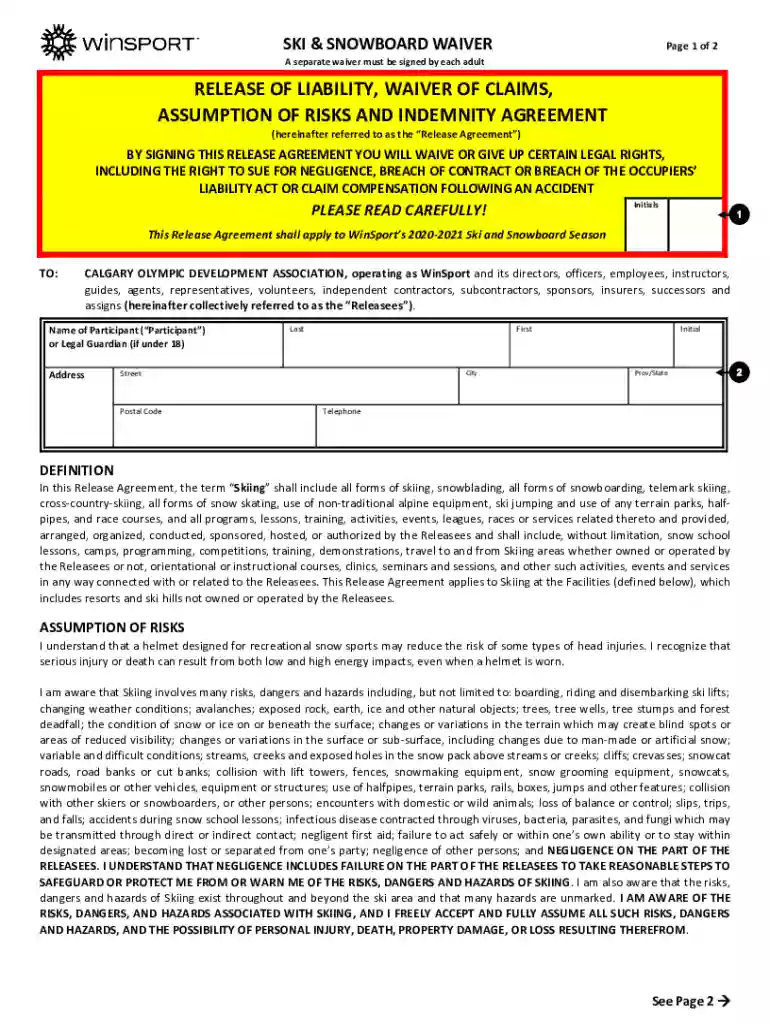
A Release of Liability, Waiver of Claims, and Assumption of Risks form is a legal document that a participant signs before engaging in a potentially hazardous activity. This form releases the organizers from responsibility for any injuries or damages that might occur during the activity. The form acknowledges that the participant is aware of the risks involved and agrees not to hold the organizers legally accountable. In the context of "tjpowerfit wp-contentuploadsRELEASE OF LIABILITY, WAIVER OF CLAIMS, ASSUMPTION OF RISKS," this document is likely associated with fitness activities, where various physical risks are typically involved.
Key Elements of the Form
To effectively fulfill its purpose, the Release of Liability, Waiver of Claims, and Assumption of Risks form must contain several key elements:
- Identification of Parties: Clearly lists the participants, organizers, and any other relevant parties involved in the activity.
- Description of Activity: Provides a detailed account of the activity for which the waiver is being signed, such as fitness classes or training sessions.
- Assumption of Risk: Explicit statement by the participant acknowledging the inherent risks associated with the activity.
- Release Clause: A declaration that the participant releases the organizers from liability in case of accidents or injuries.
- Signature Line: Section for the participant (or legal guardian, if a minor) to sign, affirming their understanding and agreement to the terms.
How to Use the Form
Using the Release of Liability form effectively involves several steps:
- Review the Document: Carefully read through the form, ensuring you understand each clause and its implications.
- Fill Out Personal Information: Enter all relevant details, such as your name, contact information, and any required affiliations or memberships.
- Acknowledge Risks: Pay close attention to sections outlining the risks involved and any assumptions of liability.
- Sign the Form: Append your signature on the designated line, indicating you accept and agree to the terms.
- Submit to Organizer: Return the completed form to the organizer before participating in the activity.
Who Typically Uses the Form
The Release of Liability, Waiver of Claims, and Assumption of Risks form is predominantly used by various groups and individuals:

- Fitness Centers and Gyms: Utilized by facilities offering physical training programs or exercise classes.
- Event Organizers: Employed for events involving physical activities where accidents might occur.
- Sports Teams and Clubs: Necessary for team members participating in organized sports, involving inherent risks.
- Personal Trainers: Implement the form to protect against liability when instructing clients.
Steps to Complete the Form
Completing the Release of Liability form requires a methodical approach:
- Acquire the Form: Obtain the document via the relevant organization, whether onsite or from their website.
- Review Each Section: Understand the content and implications of each part of the form.
- Fill in Required Details: Accurately complete all personal and contact information sections.
- Understand Risk Acknowledgments: Ensure clarity on the risks outlined in the form and any legal implications.
- Provide Signature: Sign and date the form appropriately to confirm acceptance of terms.
Legal Use of the Form
The Release of Liability form serves specific legal purposes:
- Protection Against Lawsuits: Shields organizers from legal responsibility due to participant accidents or injuries.
- Demonstration of Risk Awareness: Shows that participants are informed of and accept the risks involved.
- Limitation of Liability: Legally restricts participant ability to claim damages related to activities covered in the form.
Important Terms Related to the Form
Understanding essential terminology used in the Release of Liability form is crucial:
- Negligence: Legal failure to take reasonable care, which is typically waived in these forms.
- Indemnify: A legal commitment to compensate for any loss or damage incurred.
- Assumption of Risk: Acceptance of potential hazards associated with the activity by the participant.
State-Specific Rules
Legal enforcement of Release of Liability forms can vary by state:
- Enforceability: Some states have specific requirements for waivers to be legally binding.
- Parental Consent: For minors, certain states may require additional parental consent for waivers to be valid.
- Language and Clarity: State laws often dictate the clarity and explicit nature of the language used in waivers to ensure participant comprehension.
Examples of Use
Common scenarios where the form is utilized:
- Fitness Boot Camps: Participants sign to acknowledge strenuous activity risks.
- Outdoor Adventures: Waivers are used for skiing, hiking, or white-water rafting, listing potential natural hazards.
- Corporate Team-Building Events: Companies use the form to limit liability during physical activities offsite.