







Definition & Meaning
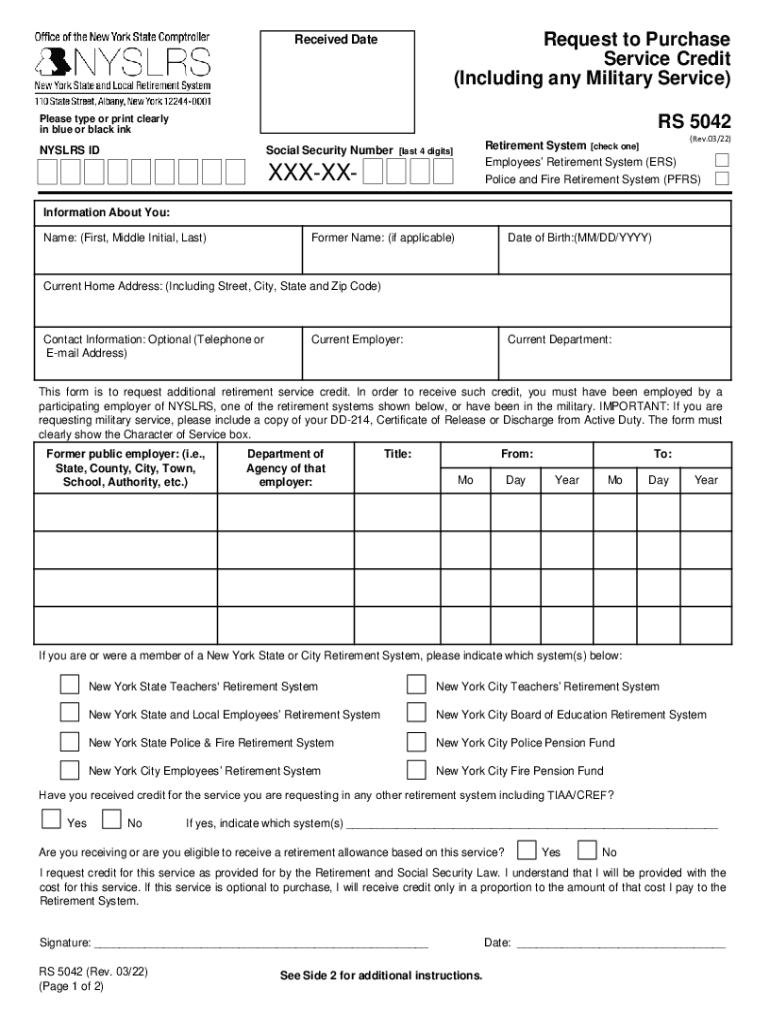
The term "form online" generally refers to any document or application that can be completed or accessed via the internet. These forms can range from simple surveys and feedback submissions to complex legal documents, tax returns, and application forms for government services. For DocHub users, "form online" highlights the ease and convenience of creating, editing, and managing forms without needing specialized software or manual paperwork. This digital approach streamlines processes, reduces paperwork, and enhances overall data management efficiency.
How to Use the Form Online
Using forms online with a tool like DocHub is straightforward and efficient. First, users can upload an existing document or start from scratch using blank templates available on the platform. Once the form is within the system, various editing tools allow users to add form fields, such as text boxes, checkboxes, and signature fields, to make the form interactive. After setting up the form, users can share it with recipients via email or cloud links for completion. Real-time updates and tracking features ensure users can monitor progress and receive forms promptly.
Steps to Complete the Form Online
-
Access the Form: Find the link or portal where the online form is hosted, typically provided via email or accessible through a specific website.
-
Fill Out Form Fields: Input required information into designated areas such as text boxes, drop-down menus, or checkboxes. Ensure all compulsory fields are completed to successfully submit the form.
-
Review Entries: Carefully check all entered information for accuracy. Verify sensitive data such as Social Security numbers or financial information to avoid errors.
-
Sign the Form: If applicable, use the electronic signature feature to sign the form, ensuring compliance with any legal requirements for digital signatures.
-
Submit the Form: Click the designated button to submit the form online. Ensure confirmation of submission is received, either through a confirmation screen or email acknowledgment.
Key Elements of the Form Online
- Interactive Fields: Include text boxes, radio buttons, and dropdown selections enabling structured data input.
- Guided Format: Clearly marked required fields ensure all necessary information is captured.
- Security Features: Encrypt sensitive data and allow password protection for sensitive forms.
- Collaboration Options: Real-time collaboration allows users to work together on form completion, with options to leave comments or suggestions.
Legal Use of the Form Online
Online forms, particularly those related to legal documentation, must comply with applicable laws and regulations. In the U.S., electronic forms and signatures are generally governed by the ESIGN Act and the Uniform Electronic Transactions Act (UETA). This means that online forms must be managed to ensure they hold legal validity, which includes secure encryption and reliable verification of signer identity. For applications like tax forms, adherence to IRS guidelines is essential to ensure compliance and avoid penalties.
State-Specific Rules for the Form Online
Each U.S. state may have specific regulations and guidelines regarding the use and submission of online forms, especially in legal and governmental contexts. For instance, certain states may require additional authentication steps for electronic signatures or have particular rules for archiving electronic records. Users must be aware of and adhere to these state-specific mandates to ensure the legitimacy and acceptance of submitted forms.
Required Documents
Depending on the type of form, users may need to gather necessary documentation prior to completion. Common requirements might include identification, proof of residency, income verification, or past tax records. When dealing with forms that request personal or financial information, having these documents on hand can streamline the form completion process. Additionally, attaching supporting documentation as digital files may be necessary for some forms, emphasizing the need for a secure, integrated platform for submission.
Software Compatibility
Online forms are often designed to function across a range of software applications to enhance accessibility and user experience. Platforms like DocHub provide compatibility with various services such as Google Drive and Dropbox for seamless integration into existing workflows. Additionally, users can export or import forms from popular software like QuickBooks or TurboTax, ensuring that the forms align with their business or personal financial management needs. This cross-compatibility aids in reducing manual data entry errors and saves time by allowing direct data population from reliable sources.




