






Definition and Meaning of Form Online
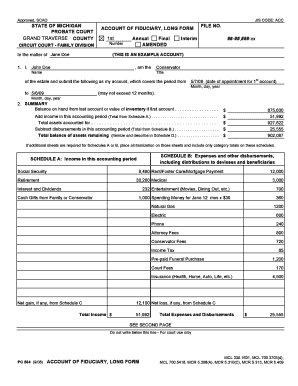
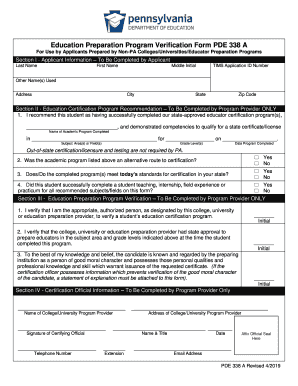
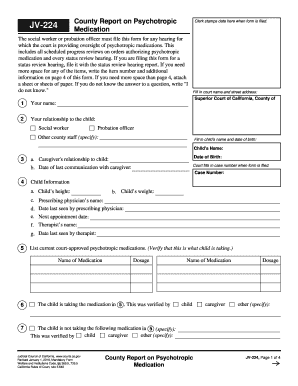
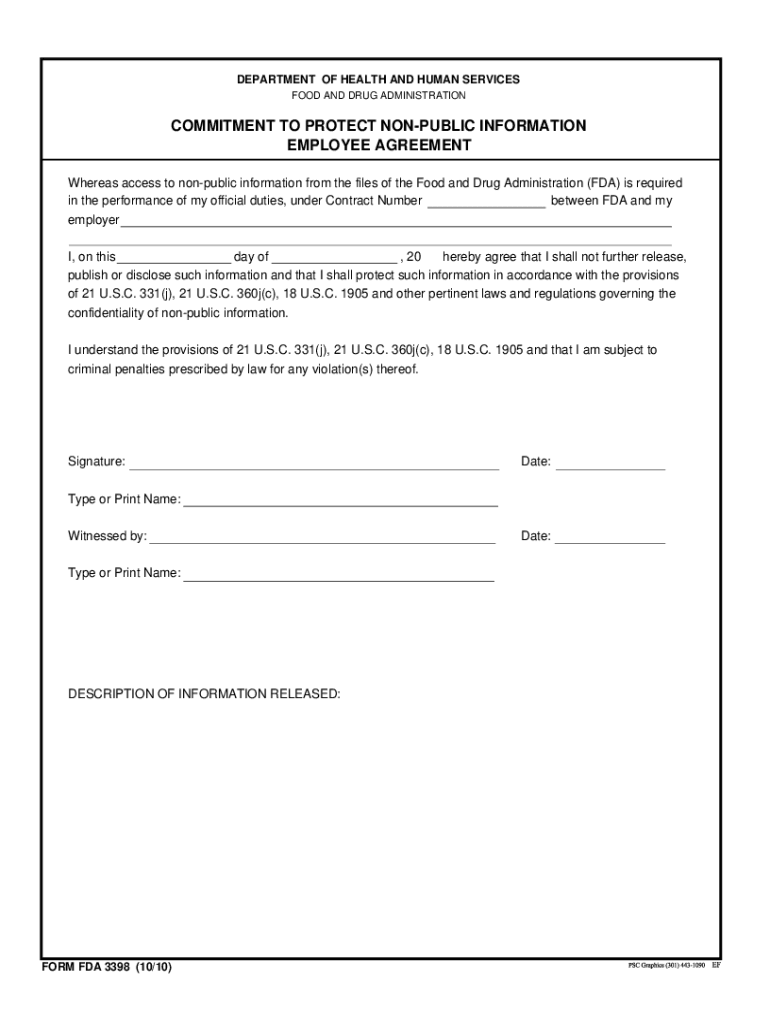
The term "form online" generally refers to any digital, fillable template used for collecting or submitting information over the internet. These forms can be utilized for various purposes, including applications, surveys, registrations, and more. Unlike their paper counterparts, forms online are typically interactive, allowing users to input information directly via a web interface. This digital format not only streamlines data collection but also improves accuracy and efficiency by automating checks and validations in real-time. With the added advantages of accessibility and easy distribution, online forms have become a preferred method for handling a broad range of document-based interactions.
How to Use Form Online
Using forms online typically involves a few straightforward steps. First, access the form via a web link provided through websites or emails. Next, carefully read any instructions or guidelines provided to ensure proper completion. Input the required information by clicking on form fields such as text boxes, dropdown menus, or checkboxes and typing or selecting the appropriate options. After filling in all necessary sections, review the form to verify that all entries are correct and complete. Finally, submit the form by clicking the designated button, which may be labeled as "Submit" or "Send." Some forms might require confirmation, displaying a message that verifies successful submission.
Tips for Efficient Form Completion
- Make sure you have stable internet access to prevent any disruptions during the form submission process.
- Use a modern web browser to avoid compatibility issues with interactive elements.
- Keep necessary documents on hand for quick reference and accurate data entry.
How to Obtain the Form Online
Forms online can generally be found on official websites of organizations or institutions that require documentation. Search for the form by name or purpose using search engines or by navigating through specific website sections dedicated to forms or resources. Many websites provide downloadable links or options to directly access forms online for immediate use. Additionally, some forms may also be circulated via email or shared through cloud-based platforms for ease of access among multiple users.
Common Sources for Accessing Forms
- Government and agency websites for official forms (e.g., IRS for tax documentation).
- Corporate portals for employee-related forms.
- Educational institutions for student applications and enrollment forms.
Steps to Complete the Form Online
- Access the Form: Use the provided link or search for the form on the relevant website.
- Read Instructions: Carefully review any instructions or guidelines to ensure all necessary details are clear before starting.
- Fill Out the Form: Enter the required information in the respective fields, ensuring accuracy.
- Review and Verify: Double-check the entries for any errors or omissions.
- Submit: Click the submission button once all sections are completed and reviewed.
Example: Completing a Job Application Form Online
- Start by gathering your resume and reference information.
- Carefully follow each section's instructions, filling in personal details, work history, and educational background.
- Use spell-check features where available to catch typographical errors.
- Submit the form and check your email for a confirmation of receipt.
Why Should You Form Online
Using forms online offers numerous benefits that enhance the efficiency and effectiveness of information exchange. The digital nature eliminates the need for printing and physical mailing, which saves both time and resources. Moreover, it supports error reduction through real-time data validation, ensuring that the submitted information meets the required standards. Forms online are flexible, allowing access at any time from any location, given internet connectivity. This advantage is significant for users who value convenience and immediate results, making online forms an essential tool for modern documentation processes.
Important Terms Related to Form Online
Understanding key terms associated with online forms helps users navigate and utilize them more effectively.
- Field: A box where users input specific information such as names, dates, or numerical values.
- Dropdown Menu: A clickable element that allows users to select options from a list.
- Captcha: A security feature used to prevent automated entries by requiring users to perform recognition tasks.
- Submission Confirmation: An acknowledgment message that signifies successful form submission.
Legal Use of the Form Online
Forms online must comply with legal standards to ensure data security and legitimacy. Many forms, like contracts or applications, are legally binding when submitted online, provided they meet established electronic signature standards. Security protocols, like SSL encryption, are essential to protect the information inputted into forms. In certain cases, customized disclaimers or consent agreements are integrated into forms online to inform users of their rights and ensure compliance with privacy laws such as GDPR or the ESIGN Act.
Key Elements of the Form Online
An effective online form typically includes several key components:
- User-Friendly Interface: Simplified navigation and clear instructions enhance user experience.
- Validation Checks: Automated checks that ensure data accuracy and completeness.
- Security Features: Encryption and secure login options to protect sensitive data.
- Responsive Design: Compatibility with both desktop and mobile devices.
- Submission Feedback: Immediate notifications that inform users of successful submissions or errors needing correction.
State-Specific Rules for Form Online
Certain forms, such as tax or business registration documents, may have state-specific variations reflecting local legal requirements. These differences can affect the content, submission procedures, and deadlines associated with the form online. For instance, tax forms like state income returns can vary in terms of the allowed deductions or the specific forms used alongside federal filings. It is crucial to research and confirm the state-specific rules applicable to ensure compliance and the accurate handling of documentation tasks.