




01. Edit your form online
Type text, add images, blackout confidential details, add comments, highlights and more.

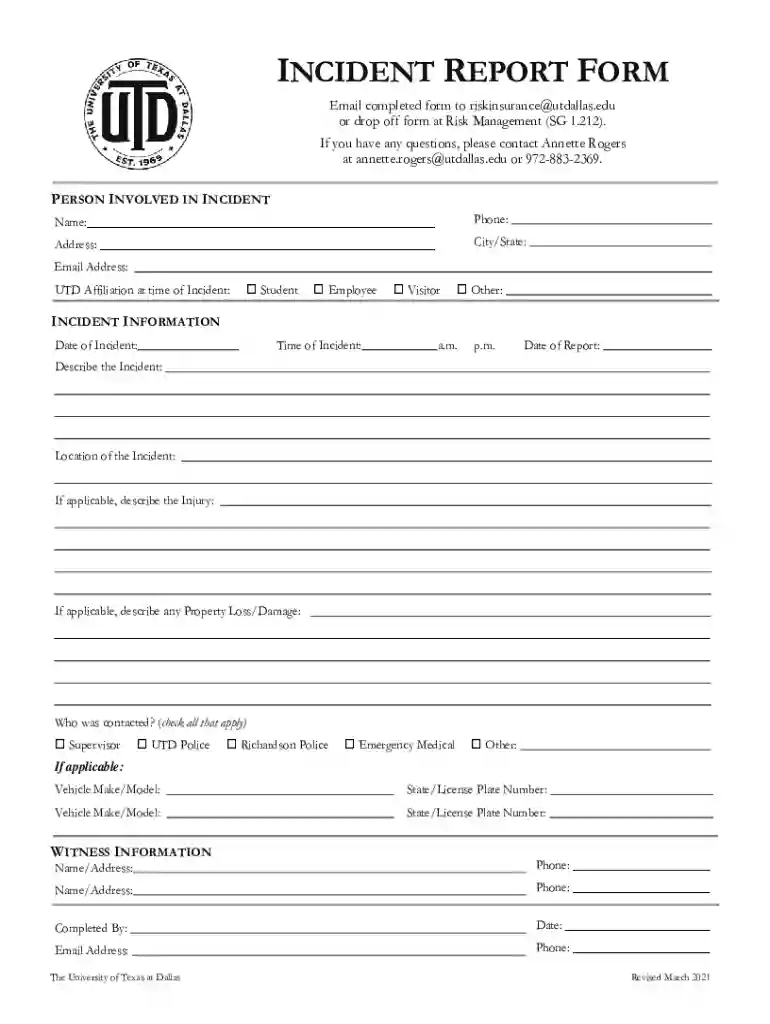
Type text, add images, blackout confidential details, add comments, highlights and more.

Draw your signature, type it, upload its image, or use your mobile device as a signature pad.

Send it via email, link, or fax. You can also download it, export it or print it out.
The Medical Information and Release Form for Minors serves as a critical document designed to collect essential medical details about a minor child. It authorizes medical professionals to provide necessary emergency care in the absence of a parent or legal guardian. This form typically includes information like the minor's medical history, allergies, and current medications, ensuring that attending medical staff have the crucial information required to make informed decisions during emergencies. By filling out this form, parents provide consent for medical personnel to administer treatment to their child when they are unreachable, ensuring timely and effective care when it's needed most.
Gather Personal and Medical Information: Collect the minor’s personal details, such as full name, date of birth, and contact information. Include medical history, current medications, known allergies, and any underlying health conditions.
Parental or Guardian Details: Provide the names, addresses, and contact information of the parents or legal guardians. This section usually requires emergency contact numbers for quick reachability.
Medical Provider Information: List the names and contact details of the minor’s physician, dentist, and preferred medical facility for records and future reference. In addition, include insurance information if applicable.
Signatures and Authorization: Parents or legal guardians must sign the form to authorize the release of medical information and grant permission for medical treatment. Ensure all signatures are in the required places for validity.
Review and Update Regularly: It's essential to review the submitted information periodically or whenever there's a change in the minor's medical status or contact details to keep the form current.
This form is extensively used by schools, sports teams, camps, and other organizations that host activities involving minors. Parents or guardians fill out and submit these forms to allow the organization to act in the child's best interest in case of a medical emergency. It is also beneficial for babysitters or childcare providers when they are responsible for minors in the absence of parents.


The form must adhere to state and federal laws regarding privacy and medical consent. It must be signed by a parent or legal guardian to be considered a legally binding document. In the U.S., this form is designed to comply with the Health Insurance Portability and Accountability Act (HIPAA) to safeguard the minor's medical information and ensure it is used appropriately.
Regulations governing the completion and submission of this form may vary from state to state. Some states might require additional documentation or consent for specific types of medical services. It is essential to understand the legal implications and requirements in your region to ensure compliance and avoid delays in receiving medical care for the minor.
By providing crucial information and consent, this form ensures that minors receive prompt medical attention when necessary. It minimizes risks associated with delayed treatment and aids in seamless communication with healthcare providers. It also helps in avoiding potential legal issues due to miscommunication or delays in obtaining parental consent during emergencies.
In modern settings, digital forms are increasingly favored over traditional paper versions due to ease of access and the ability to update information swiftly. Digital forms can be stored securely, reducing the risk of loss and ensuring availability when needed. Additionally, digital submission often allows for faster processing and integration within organizational systems. However, paper versions are still in use, especially in areas with limited technological access.
Forms can typically be submitted in several ways:
Each submission method may have its own requirements or deadlines, and it's crucial to follow them carefully to ensure the form's efficacy in providing care when needed.
We've got more versions of the MEDICAL INFORMATION AND RELEASE FORM MINOR form. Select the right MEDICAL INFORMATION AND RELEASE FORM MINOR version from the list and start editing it straight away!
At DocHub, your data security is our priority. We follow HIPAA, SOC2, GDPR, and other standards, so you can work on your documents with confidence.


