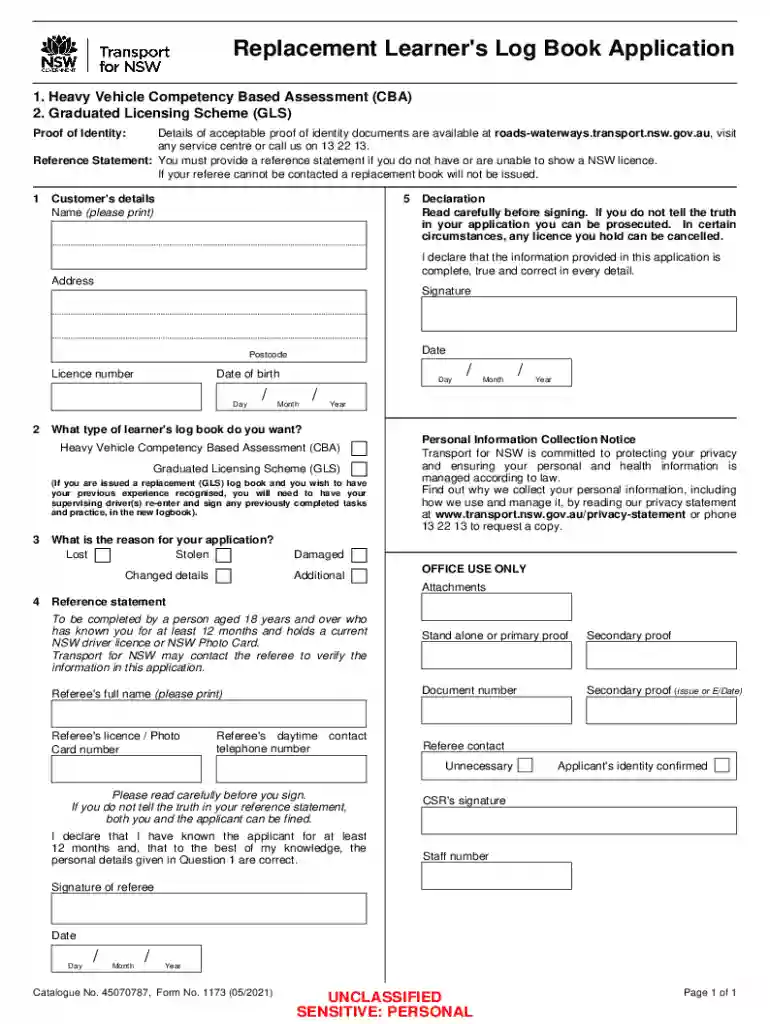
Heavy Vehicle Driver Handbook.pdf - Heavy vehicle driver ... 2026

Get Form
truck driver format pdf Preview on Page 1

Here's how it works

01. Edit your truck driver format pdf online
Type text, add images, blackout confidential details, add comments, highlights and more.

02. Sign it in a few clicks
Draw your signature, type it, upload its image, or use your mobile device as a signature pad.

03. Share your form with others
Send driving a heavy vehicle pdf via email, link, or fax. You can also download it, export it or print it out.

Definition and Purpose of the Heavy Vehicle Driver Handbook

The "Heavy Vehicle Driver Handbook.pdf - Heavy Vehicle Driver" serves as an essential guide for both aspiring and experienced heavy vehicle drivers. This comprehensive manual provides information about safe driving practices, legal requirements, and vehicle maintenance specific to heavy vehicles. It aims to enhance road safety by educating drivers on various aspects such as handling large trucks, understanding road regulations, and ensuring vehicle compliance.

How to Use the Heavy Vehicle Driver Handbook

To make the most of the handbook, drivers should engage with it as both a reference tool and a study guide. It's advisable to:

  • Identify Key Sections: Focus on sections most relevant to your driving activities, such as vehicle operation or road safety.
  • Regularly Review: Periodically revisit the handbook to refresh your understanding of best practices and new regulations.
  • Practice Scenarios: Apply the guidance in real-world driving situations to improve your skills and decision-making.

Obtaining the Heavy Vehicle Driver Handbook

Accessing the handbook is straightforward, thanks to its availability in digital format. It can typically be downloaded from reputable sources such as government or transport department websites. Make sure to:

  • Verify the Source: Ensure the document is authentic and up-to-date by downloading from official platforms.
  • Check for Updates: Regularly check for newer versions that might include critical updates to laws or regulations.

Key Elements of the Heavy Vehicle Driver Handbook

The handbook encompasses various components crucial for safe and compliant driving. These include:

  • Safety Protocols: Information on maintaining vehicle safety standards and proper load management.
  • Legal Requirements: Overview of licensing, registration, and compliance with state and federal laws.
  • Emergency Procedures: Guidelines on handling breakdowns or accidents.

Steps to Complete the Heavy Vehicle Driver Handbook

While the handbook itself is not a form to complete, drivers can effectively engage with it through:

  1. Initial Review: Thoroughly read through the handbook to understand its scope and application.
  2. Focused Study: Concentrate on specific sections applicable to your driving situations, such as traffic laws or defensive driving techniques.
  3. Regular Updates: Stay informed about modifications to driving rules that may be periodically issued.

Who Typically Uses the Heavy Vehicle Driver Handbook

The handbook is designed for a diverse group of individuals involved in heavy vehicle operations, including:


  • Commercial Drivers: Those operating trucks or trailers for transport companies.
  • Logistics Managers: Individuals responsible for fleet safety and compliance.
  • Driving Instructors: Professionals teaching new drivers proper heavy vehicle handling.
decoration image ratings of Dochub

State-Specific Rules for Heavy Vehicle Drivers

Regulations can vary significantly from one state to another, impacting several aspects:

  • Licensing Requirements: Different states may have unique requirements for obtaining and renewing commercial driving licenses.
  • Safety Inspections: Frequency and detail of required vehicle inspections can differ.
  • Road Restrictions: Variations in permissible routes or road limitations for heavy vehicles.

Legal Use of the Heavy Vehicle Driver Handbook

Using the handbook legally involves adhering to its guidelines to ensure compliance with applicable laws:

  • Adherence to Regulations: Regularly consulting the handbook helps satisfy legal requirements for driver knowledge and safety.
  • Documentation: Keeping a digital or printed copy can serve as a handy reference during inspections or audits.

Important Terms Related to Heavy Vehicles

Understanding common terminology can enhance comprehension and usage of the handbook:

  • Gross Vehicle Weight Rating (GVWR): The maximum permissible weight of a vehicle, including cargo.
  • Blind Spots: Areas around a vehicle not visible to the driver.
  • Axle Load: The weight supported by a vehicle's axle.

Penalties for Non-Compliance

Failing to adhere to the guidelines and requirements outlined can result in significant consequences:

  • Fines: Monetary penalties for violations such as improper licensing or unsafe vehicle operation.
  • License Suspension: Temporary loss of driving privileges for serious infractions.
  • Increased Insurance Costs: Higher premiums can result from accidents or violations due to non-compliance.

Versus and Alternatives to the Heavy Vehicle Driver Handbook

While the handbook is comprehensive, alternative resources might offer additional insights:

  • Online Training Modules: Interactive courses covering similar material, often with quizzes and certifications.
  • Driving Workshops: In-person seminars providing practical training and up-to-date regulatory information.

Digital vs. Paper Version

Both digital and paper formats have their merits:

  • Digital Advantages: Easily updated, highly portable, often interactive.
  • Paper Benefits: No need for electronic devices, hands-on readable format, useful in areas with limited digital access.

Eligibility Criteria for Using the Handbook

The handbook is accessible to various users but its primary utility is for:

  • Licensed Drivers: Individuals with a current heavy vehicle license.
  • Learners Preparing for Licensure: Individuals studying for CDL exams.
  • Transport Company Owners: Those overseeing driver compliance and safety programs.
decoration image

See more Heavy Vehicle Driver Handbook.pdf - Heavy vehicle driver ... versions

We've got more versions of the Heavy Vehicle Driver Handbook.pdf - Heavy vehicle driver ... form. Select the right Heavy Vehicle Driver Handbook.pdf - Heavy vehicle driver ... version from the list and start editing it straight away!
Versions Form popularity Fillable & printable
2021 4.8 Satisfied (57 Votes)
be ready to get more

Complete this form in 5 minutes or less

Get form

Got questions?

We have answers to the most popular questions from our customers. If you can't find an answer to your question, please contact us.
Contact us
In the US, if youre operating a vehicle with a gross vehicle weight rating (GVWR) of 26,001 pounds or more, youll need a CDL. GVWR basically means the maximum weight a vehicle can legally docHub when loaded up. So, those heavy-duty trucks designed to carry tons of cargo definitely fall under the CDL requirement.
HEAVY VEHICLE (FATIGUE MANAGEMENT) NATIONAL REGULATION (NSW) - SCHEDULE 1 Column 2Column 3 10 hours work time substantial risk bdocHub 12 hours work time minor risk bdocHub 12 but not 13 hours work time substantial risk bdocHub 13 but not 13 hours work time severe risk bdocHub 23 more rows
A CDL is a drivers license required for drivers who wish to drive across state lines in the United States to operate any type combination of vehicle which has vehicles with a gross vehicle weight rating (GVWR) of more than 26,000 pounds (11,793 kg) pounds.
If the tow vehicle does not have a manufacturer-assigned GCWR, a Class A CDL is required if the combined weight of the tow rig and trailer/load exceed 26,000 pounds AND the trailers assigned GVWR is more than 10,000 pounds.
Drive at a Safe Speed But youll lose a lot more time if you get pulled over for speeding. Stay under posted truck speed limits at all times. Be aware that you will need to slow down even more when going downhill because your truck will naturally speed up.

Security and compliance

At DocHub, your data security is our priority. We follow HIPAA, SOC2, GDPR, and other standards, so you can work on your documents with confidence.

Learn more
ccpa2
pci-dss
gdpr-compliance
hipaa
soc-compliance
be ready to get more

Complete this form in 5 minutes or less

Get form

People also ask

The federal requirement specifies that, when a vehicle has a GVWR of 26,000 pounds or less, the operator does not need a CDL license.

truck driver handbook pdf