




Here's how it works
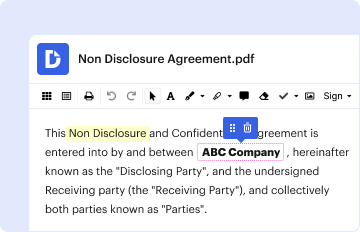
01. Edit your form online
Type text, add images, blackout confidential details, add comments, highlights and more.
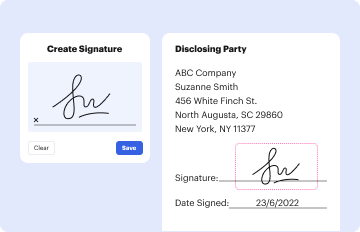
02. Sign it in a few clicks
Draw your signature, type it, upload its image, or use your mobile device as a signature pad.

03. Share your form with others
Send it via email, link, or fax. You can also download it, export it or print it out.
How to use or fill out Private Street Name Request Form with our platform

- Click ‘Get Form’ to open the Private Street Name Request Form in the editor.
- Begin by entering your name in the 'Applicant’s Name' field, followed by the date, phone number, and email address. This information is crucial for communication regarding your request.
- Next, provide the 'Property Owner’s Name' if it differs from yours. If applicable, include the relevant zoning number and address to ensure proper processing of your request.
- In the 'Proposed Street Name' section, list your first choice for the street name, followed by two additional choices. This allows flexibility in case your first choice is unavailable.
- Attach a minimum 17 x 22 site plan as required. You can easily upload this document using our platform's file attachment feature.
- Finally, review all entered information for accuracy before submitting. You can email, mail, or fax the completed form to Paul Thomas at the Office of Planning as indicated.
Start filling out your Private Street Name Request Form online for free today!
Fill out Private Street Name Request Form online
It's free
It's free
See more Private Street Name Request Form versions
We've got more versions of the Private Street Name Request Form form. Select the right Private Street Name Request Form version from the list and start editing it straight away!
| Versions | Form popularity | Fillable & printable |
|---|---|---|
| 2013 | 4.3 Satisfied (60 Votes) |
Got questions?
We have answers to the most popular questions from our customers. If you can't find an answer to your question, please contact us.
Contact us
What are the rules for street naming?
The main rules for naming streets are that addresses are clear, unambiguous and logical. A new street name should be different to anything already in use in the area and should not be difficult to pronounce or awkward to spell.
How are street names assigned?
In the United States, most streets are named after numbers, landscapes, trees (a combination of trees and landscapes such as Oakhill is used often in residential areas), or the surname of an important individual (in some instances, it is just a commonly held surname such as Smith).
How do people get their street names?
When it comes to new and modern urban planning, developers are typically responsible for naming streets in the new neighborhoods they build. They often choose street names based on certain traits they want people to associate with the neighborhood. Sometimes, they name new streets after loved ones.
How do street names get decided?
0:18 1:31 So how are local streets named. First lets talk about the different kinds of streets. We have localMoreSo how are local streets named. First lets talk about the different kinds of streets. We have local streets also called residential streets we have collector streets such as blake road or san pedro
Who decides new road names?
City, borough and district councils allocate postal numbers to houses and buildings in their area. They also name new roads and streets. The council involves the land developer in the street naming process. They invite suggestions and possible alternative names from the developer.
Security and compliance
At DocHub, your data security is our priority. We follow HIPAA, SOC2, GDPR, and other standards, so you can work on your documents with confidence.
Learn more


People also ask
What do you have to do to get a street named after you?
Go to your city or county planning commission and request that your name be put on the list of future street names. You may have to wait fifty or a hundred years and, of course, where you live has to be growing and adding new streets.
How do you get your own street name?
The street naming process is generally done through the platting or subdivision process, with suggested street names proposed by a developer.
How do developers come up with street names?
Inspiration for street names often comes from geography. Magnolia Lane is a nice fit in the South, while Black Cherry Lane would be more on point up North. Some developers take their cues from the surrounding topography or from local landmarks.