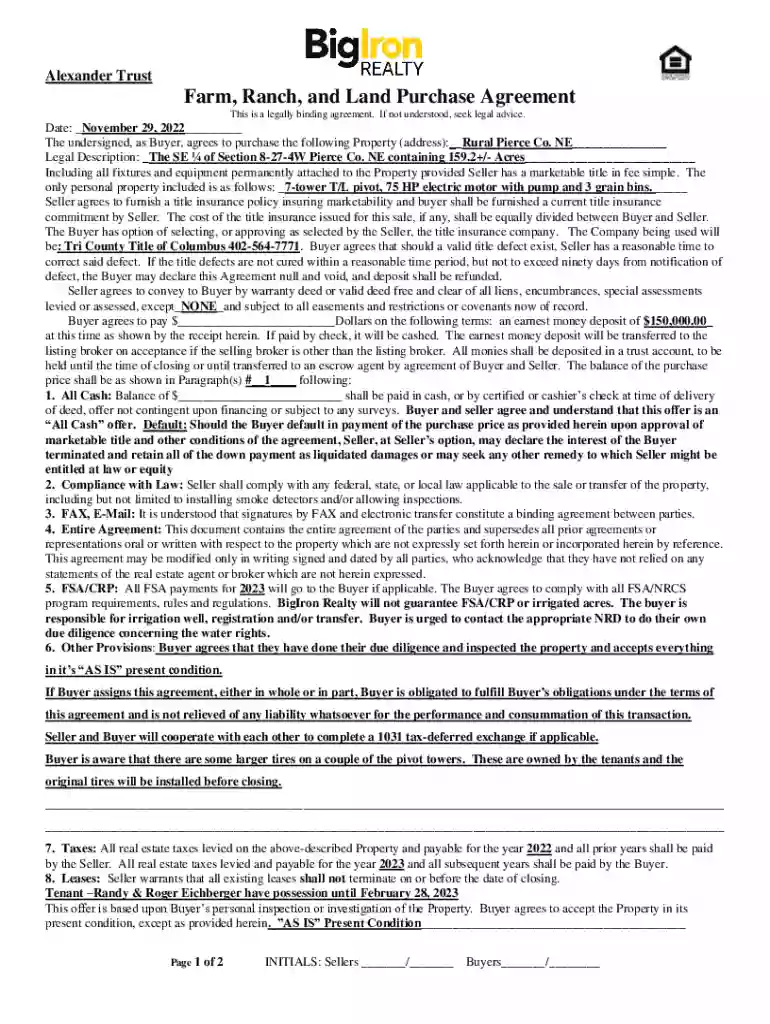
Definition and Purpose of the Nevada Law and Reference Guide
The Nevada Law and Reference Guide is an essential resource published by the Real Estate Division of Nevada, aimed at providing comprehensive legal information regarding real estate transactions and practices within the state. This guide serves as a reference for real estate professionals, legal practitioners, and property buyers or sellers, offering detailed insights into property law, transaction processes, and regulatory requirements.
- Comprehensive Legal Resource: It consolidates laws, rules, and regulations pertinent to real estate in Nevada.
- Audience Specific: Tailored for real estate agents, brokers, attorneys, and anyone involved in real estate transactions in Nevada.
- Clarification of Procedures: Provides clarity on complex legal processes, contributing to more informed decision-making.
How to Use the Nevada Law and Reference Guide
Utilizing the Nevada Law and Reference Guide effectively requires understanding its structure and the types of information it contains. The guide is typically organized into sections, each focusing on distinct legal areas of real estate.
- Navigating the Sections: The table of contents provides an overview, allowing users to quickly locate sections relevant to their needs.
- Understanding Legal Terminologies: Includes a glossary to clarify technical terms common in real estate law.
- Applying Legal Principles: Offers examples and scenarios illustrating the application of specific laws in real-world situations.
Navigating the Guide
- Index Utilization: An index is available for finding specific topics or terms quickly.
- References to Statutes: Cross-references to Nevada Revised Statutes ensure understanding of the legal framework.
- Scenario Evaluation: Real-world case studies elucidate the practical application of laws.
Steps to Complete Any Transactions as per the Guide
Completing a real estate transaction in Nevada using this guide involves several critical steps:
- Preliminary Consultation: Engage with a real estate professional to review the guide and discuss potential transactions.
- Document Preparation: Use the guide to ensure all necessary documentation and legal requirements are completed accurately.
- Transaction Execution: Follow detailed steps outlined in the guide for executing contracts and other transactional documents.
Detailed Steps
- Legal Compliance Check: Verify compliance with all state laws before proceeding.
- Form and Document Review: Ensure all forms align with standards described in the guide.
- Closing Procedures: Follow closing processes outlined in the guide for a legally binding transaction.
Important Terms Related to Nevada Real Estate
Understanding key terms in the guide is essential for interpreting legal requirements and procedures accurately.
- Earnest Money: A deposit made to demonstrate a buyer's commitment to purchasing a property.
- Title Insurance: Protects against losses from disputes over a property’s ownership.
- Survivorship of Obligations: Details how remaining obligations continue after certain transactions.
Term Clarifications
- AS IS Clause: Acceptance of property in its current condition without warranties.
- Escrow: A financial arrangement where an independent third party holds funds to ensure a fair transaction.
Key Elements of the Guide
The Nevada Law and Reference Guide comprises several primary components that make it an invaluable resource for anyone engaging in real estate activities in Nevada.
- Legal Framework: Comprehensive overview of relevant statutes and regulations.
- Guidelines for Practice: Best practices for real estate transactions and professional conduct.
- Case Law Examples: Inclusions of precedents that help interpret current laws and their implications.
Core Components
- Forms and Samples: Includes templates and samples for common real estate forms.
- Regulatory Compliance Guidance: Details on maintaining adherence to state and federal laws.
- Professional Standards: Ethical guidelines for conduct in real estate practices.
State-Specific Rules and Their Impact
Understanding the Nevada-specific rules outlined in the guide is crucial for any real estate transaction conducted within the state.
- Zoning Laws: Specific zoning regulations in Nevada that dictate property use and development.
- Licensing Requirements: Essential for legal practice in real estate, detailing the process to obtain licenses.
- Contractual Clauses Unique to Nevada: Clauses that differ from general U.S. real estate contracts.
Significant Rule Variations
- Environmental Regulations: Nevada-specific considerations for land use and development.
- Tax Implications: Unique tax laws affecting property purchase and sale in Nevada.
Legal Use and Compliance
Legal use of the guide involves adhering to its outlined rules and guidelines to ensure compliant and legitimate real estate transactions.
- Understanding the ESIGN Act: Comprehension of electronic documentation and signature legality, aligning with federal standards.
- Security Protocols: Details safeguarding client information through secure transactions.
- Dispute Resolution Frameworks: Methods for resolving conflicts as detailed in the guide as per Nevada laws.
Examples and Case Studies
Real-world examples and case studies in the Nevada Law and Reference Guide illustrate its concepts and aid users in applying its teachings to real-world scenarios.
- Case Study Analysis: Review specific instances where the guide’s applications led to successful transactions.
- Practical Scenarios: Examples of common transactional challenges and their resolutions.
- Lessons Learned: Insight into avoiding potential pitfalls outlined in the guide.
Practical Applications
- Negotiation Scenarios: Examples of effective negotiation tactics in Nevada real estate.
- Litigation Avoidance: Strategies to preempt legal disputes through informed decision-making.
By thoroughly understanding these sections and their subcomponents, users can maximize the utility of the Nevada Law and Reference Guide, ensuring lawful and efficient real estate transactions in Nevada.