



01. Edit your it 205 form online
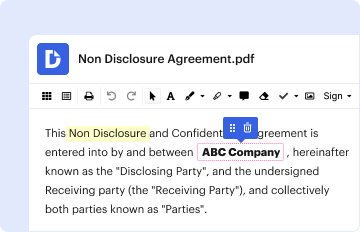
Type text, add images, blackout confidential details, add comments, highlights and more.

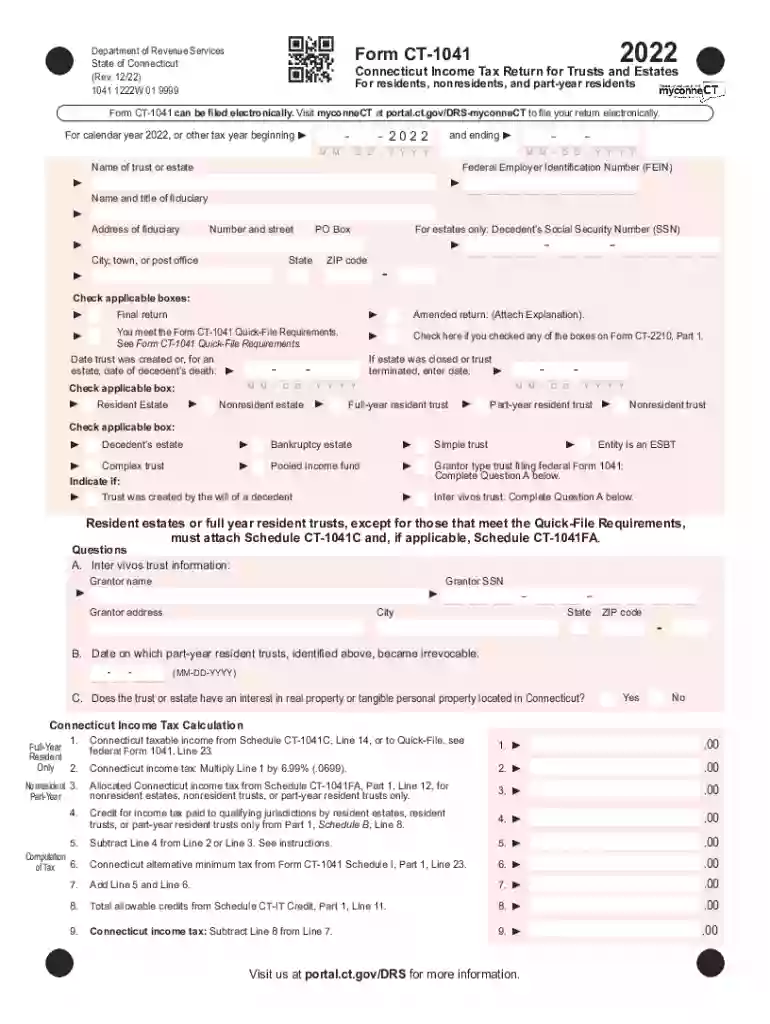
Type text, add images, blackout confidential details, add comments, highlights and more.
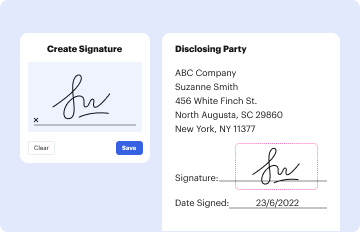
Draw your signature, type it, upload its image, or use your mobile device as a signature pad.

Send it 205 instructions via email, link, or fax. You can also download it, export it or print it out.
The Instructions for Form IT-205 Fiduciary Income Tax Return guide users on how to properly file fiduciary tax returns for estates and trusts. This form is primarily used to report income, deductions, gains, and losses of estates and trusts that are required to pay income taxes. Understanding the purpose of Form IT-205 helps trustees and executors fulfill their tax obligations in compliance with state and federal tax laws.
Gather Necessary Information: Collect all financial documents related to the trust or estate, including income statements, expense records, and pertinent financial transactions from the tax year.
Filling Out Basic Information: Enter the fiduciary’s name, address, and tax identification number. Include the name of the trust or estate, and specify the type (e.g., simple trust, complex trust) to ensure accurate reporting.
Report Income: Calculate and report all sources of income, such as interest, dividends, and capital gains. Make sure to differentiate between taxable and tax-exempt income.
Deductions and Credits: Identify applicable deductions and credits. These could include administrative expenses, charitable contributions, and allowable tax credits that reduce the taxable income.
Calculate Tax Liability: Use the provided tax tables to compute the trust’s or estate's tax liability based on net income after deductions.
Sign and Submit: Ensure the form is signed by the fiduciary or the fiduciary's representative. Check for any required attachments, and submit either electronically or via mail by the due date to avoid penalties.
Income Reporting Sections: These sections detail how different types of income should be reported, such as ordinary dividends versus capital gains. Accurate classification can affect the tax rate.
Deductions and Exemptions: Outlines permissible deductions, which reduce taxable income. Common deductions include fiduciary fees and certain legal expenses associated with managing the trust or estate.
Tax Calculation: Includes tables or formulas for computing the tax based on reported income and applicable deductions. This section helps fiduciaries estimate their tax due without errors.
Annual Filing Deadline: The typical deadline for Form IT-205 is April 15 each year. If this date falls on a weekend or a holiday, submissions are due the next business day.
Extension Requests: Fiduciaries may request an extension if more time is needed to gather required information. It's critical to understand the conditions under which extensions are granted and how to file a tentative return to avoid penalties.
Trustees: Individuals appointed to manage assets within a trust for the beneficiaries’ benefit.
Executors and Administrators: Individuals responsible for managing and distributing assets of a deceased person’s estate.
Professional Fiduciaries: Lawyers or accountants who provide fiduciary services for multiple clients, requiring them to manage diverse estate and trust tax obligations.
Different states may have varying rules regarding the calculation of income, deductions, and tax rates for fiduciary income tax returns. It is essential to consult local tax codes and consider any state-specific credits or adjustments when preparing Form IT-205.
Software like TurboTax and QuickBooks can assist in preparing the IT-205 Fiduciary Income Tax Return. These tools offer step-by-step guidance, help automate calculations, and reduce errors by allowing easy import of financial data. It is crucial to ensure compatibility and updated software to reflect current tax laws and regulations.
Failing to file Form IT-205 on time or reporting inaccurate information can result in penalties such as fines or interest charges. Fiduciaries should be aware of these potential consequences and strive to file accurately and punctually. In cases of errors, amending returns promptly can mitigate penalties.
By thoroughly understanding these topics, fiduciaries will be better equipped to navigate the complexities of filing Form IT-205 and ensure they meet all fiduciary tax obligations in a timely and efficient manner.
We've got more versions of the it 205 form form. Select the right it 205 form version from the list and start editing it straight away!
| Versions | Form popularity | Fillable & printable |
|---|---|---|
| 2025 | 4.9 Satisfied (60 Votes) | |
| 2024 | 4.5 Satisfied (57 Votes) | |
| 2023 | 4.2 Satisfied (54 Votes) | |
| 2022 | 4.7 Satisfied (46 Votes) | |
| 2021 | 4.9 Satisfied (24 Votes) | |
| 2020 | 4.4 Satisfied (115 Votes) | |
| 2019 | 4.3 Satisfied (104 Votes) | |
| 2018 | 4.3 Satisfied (81 Votes) | |
| 2017 | 4.4 Satisfied (113 Votes) | |
| 2016 | 4.3 Satisfied (363 Votes) | |
| 2015 | 4.4 Satisfied (40 Votes) | |
| 2014 | 4.1 Satisfied (59 Votes) | |
| 2013 | 4.3 Satisfied (27 Votes) | |
| 2011 | 4.3 Satisfied (35 Votes) |
At DocHub, your data security is our priority. We follow HIPAA, SOC2, GDPR, and other standards, so you can work on your documents with confidence.
by BS Miller 1959 Cited by 7 Rather, it seeks to recognize the extent to which trusts have been and will be created for tax purposes, to review the historically unfamiliar forms of trustsRead more
Jan 22, 2026 Form IT-205-I provides instructions to assist a fiduciary of a New York State resident estate or trust with filing form IT-205.Read more
Sep 16, 2013 This revenue procedure provides the domestic asset/liability percentages and domestic investment yields needed by for- eign life insuranceRead more


