



01. Edit your ontario rental application form 410 online
Type text, add images, blackout confidential details, add comments, highlights and more.

Type text, add images, blackout confidential details, add comments, highlights and more.
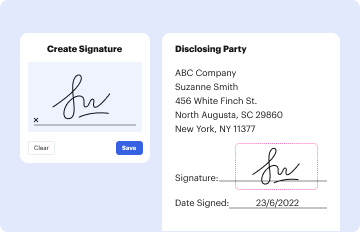
Draw your signature, type it, upload its image, or use your mobile device as a signature pad.

Send rental application orea form via email, link, or fax. You can also download it, export it or print it out.
A rental application is a critical document used in the process of renting residential properties. It serves as a formal request by a potential tenant to a landlord or property manager, providing necessary personal, financial, and employment information. This document enables landlords to screen applicants effectively and assess their suitability for tenancy based on predetermined criteria. Typically, a rental application will include sections for personal identification, employment history, income details, references, and consent for a credit and background check.
When filling out a rental application, accuracy is paramount. Providing truthful and comprehensive information reduces the likelihood of application rejection and facilitates a smoother review process. Inaccurate data can lead to disqualification or eviction if discovered later. Applicants should ensure accuracy in their names, dates of birth, and any other sensitive data to avoid discrepancies with official records used by landlords during verification.
Completing a rental application involves several steps that ensure all required information is accurately captured:
Gather Required Documents: Prior to starting the application, collect necessary documents, such as proof of identity, recent pay stubs, and reference contacts. Having these on hand will streamline the process.
Fill Out Personal Information: Enter your personal details, including full name, date of birth, and current address.
Provide Employment and Financial Details: Include your employment history, current employer, monthly income, and any additional sources of income. This information helps landlords assess your ability to pay rent.
List References and Additional Occupants: Provide contact details for personal and professional references. Also, detail any additional occupants who will reside with you.
Consent for Background Check: Sign the consent section allowing the landlord to verify the information provided and conduct necessary background and credit checks.
For instance, an applicant residing in California may need to include information specific to local regulations, such as residency status. They should complete sections pertaining to personal and employment details, providing a comprehensive picture of their stability and reliability as a tenant.
A rental application typically includes the following key elements, each of which serves a specific purpose in the screening process:
Obtaining a rental application is an essential first step in securing a rental property. Potential tenants can typically request an application from the landlord or property management company, either in person, through email, or via an online portal on the property’s website. The application process allows landlords to diligently screen prospective tenants, mitigating the risk of problematic tenancies due to inadequate income, poor credit history, or negative rental references.
Consider a family planning to rent a new apartment in New York City. They would obtain the rental application from the property manager, fill out their details accurately—ensuring all family members are accounted for—and submit it alongside supporting documents such as income proof and former rental references.
Rental applications are used by a variety of individuals and entities involved in the residential leasing process:
The legal use of rental applications ensures a fair and consistent process for tenant selection. In compliance with the Fair Housing Act, landlords must use rental applications to evaluate prospective tenants based on objective information such as financial stability and rental history, rather than personal characteristics or preferences. This maintains an equitable rental environment and protects against discrimination.
Rental application requirements and rules can vary significantly from state to state, often influenced by local regulations concerning tenant rights and landlord obligations. For example, in California, additional rules govern security deposits, while New York emphasizes tenant privacy laws. It's crucial for both applicants and landlords to be aware of these state-specific nuances to ensure compliance and protect against legal issues.
In California, landlords are limited in the amount they can charge for an application fee and must provide a receipt for any tenant screening report. Applicants should ensure they understand these provisions to navigate the application process successfully and assert their rights if discrepancies occur.
Keeping these aspects in mind, potential tenants can navigate the rental application process with a clear understanding of its requirements and implications, ensuring a smooth transition into their new homes.
We've got more versions of the ontario rental application form 410 form. Select the right ontario rental application form 410 version from the list and start editing it straight away!
At DocHub, your data security is our priority. We follow HIPAA, SOC2, GDPR, and other standards, so you can work on your documents with confidence.
Mar 25, 2026 Include a brief cover letter that gives an overview of your household. Mention your interest in the rental and your ability to be aRead more
Rental Application. Dec-19-2024. Compliance and Monitoring Management Forms. Post navigation. Previous: Household Eligibility Questionnaire.Read more
Discover Ericsons durable, flexible temporary power solutions designed for rental professionals, ensuring reliable performance and safety across diverse


