
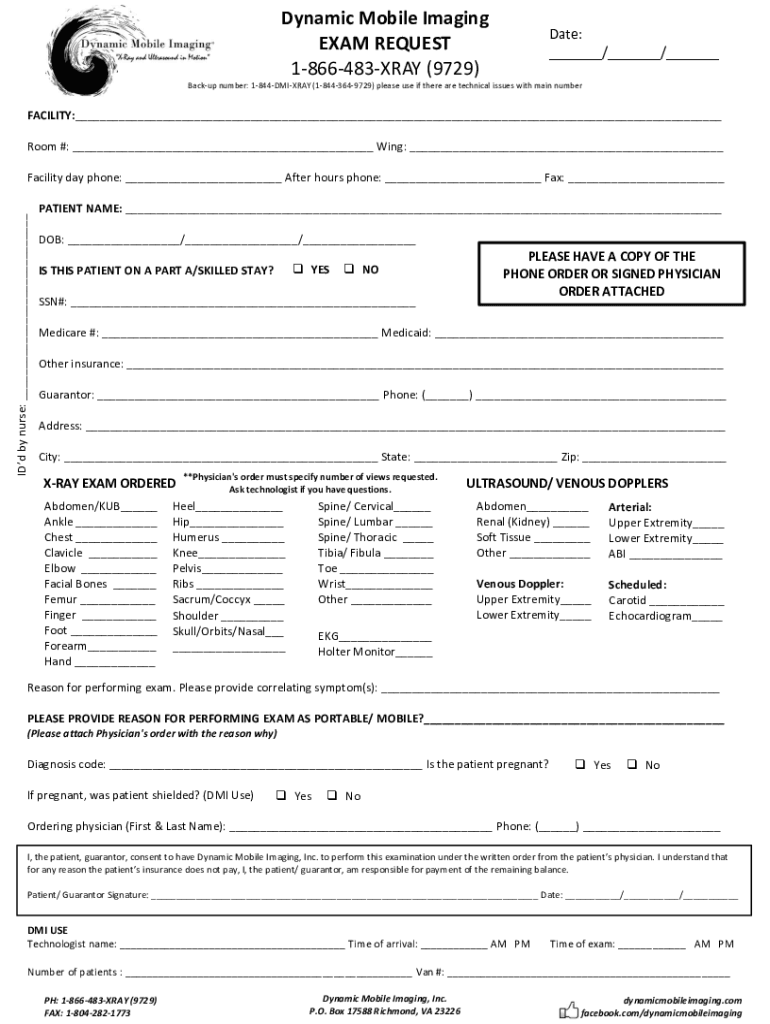







Definition and Meaning
The form titled "(PDF) Authentic acid blood mordanted the madder-dyed ..." appears to be tied to a specific procedure or process involving textiles, particularly related to dyeing techniques. This title suggests a focus on using acid blood as a mordant in the madder dyeing process, which is typically used to fix dyes on fabrics. Understanding this form requires familiarity with historical and contemporary textile practices, particularly involving natural dyes and mordanting processes. Mordants are substances used to set dyes on fabrics, ensuring the longevity and vibrancy of the color. In the context of this form, the focus might be on authentic or traditional methods of using specific mordants with the natural madder dye, known for its rich red hues.
How to Use the Form
Using the "(PDF) Authentic acid blood mordanted the madder-dyed ..." form involves understanding its application within the dyeing process. The document likely serves as a guide or record-keeping tool during the mordanting phase. Users should prepare the necessary materials, which include the fabric to be dyed, madder dye, and the mordant—in this case, acid blood. The instructions may detail steps such as pre-treating the fabric, preparing the dye bath, and applying the mordant. Proper safety precautions should also be adhered to, as working with acidic substances can pose risks. Detailed attention to timing, temperature, and concentration levels might also be outlined to ensure optimal dye adherence and color development.
Key Elements of the Form
Several key elements are essential for the effective use of this form:
- Materials List: A comprehensive list detailing the required fabric, amount of madder dye, and acid blood as a mordant.
- Procedure Steps: Sequential instructions to guide the user through the mordanting and dyeing process.
- Safety Guidelines: Precise measures to ensure user safety when handling acid or other potentially hazardous materials.
- Expected Outcomes: Descriptions of the desired result, such as the resulting hue and fastness of the dye on treated fabrics.
Important Terms Related to the Form
Understanding the terminology is crucial for those using this form:
- Mordant: A substance that fixes dyes onto fabrics.
- Madder Dye: A red dye derived from the root of the madder plant, historically utilized for its vibrant color.
- Acid Blood: Likely a reference to a specific type of mordant used in traditional or historical dyeing processes that possess acidic properties.
Steps to Complete the Process
- Preparation: Gather all necessary materials, including fabric, dye, and mordant.
- Pre-treatment: Soak or treat the fabric as recommended to prepare it for the dyeing process.
- Dye Bath Creation: Mix madder dye and mordant in specified proportions within a vessel.
- Application: Submerge the fabric into the dye bath, ensuring even coverage.
- Rinsing and Setting: Once the desired color is achieved, remove the fabric and rinse thoroughly to ensure excess dye and mordant are washed away.
- Finishing: Dry and finish the fabric as required, possibly including additional treatments to ensure color fastness.
Examples of Using the Form
The form finds practical application in:
- Textile Restoration: Use for historic textile restoration projects needing authentic period-appropriate dyeing techniques.
- Artisan Crafting: Small-scale artisans may use the form to create unique, naturally-dyed textiles for bespoke items.
- Educational Settings: Suitable for use in workshops or educational settings focused on traditional textile arts and crafts.
Legal Use of the Form
Given the specificity of this form, legal considerations might arise regarding the use of certain substances:
- Regulatory Compliance: Users must ensure compliance with environmental and safety regulations, particularly when handling acids or substances classified as hazardous.
- Documentation: Proper recording of procedures may be necessary for audit or educational purposes.
Software Compatibility
For efficient use and record-keeping, it's beneficial to maintain digital records:
- PDF Readers: Ensure compatibility with popular PDF readers to access and fill out the form digitally.
- Document Management Software: Utilize cloud services or document management software to facilitate sharing, archiving, and collaboration.
Penalties for Non-Compliance
While the form may not be directly subject to legal penalties, failure to follow safety guidelines or environmental regulations could result in:
- Fines or Sanctions: Under regulatory frameworks, such as OSHA for workplace safety or EPA for environmental protection.
- Liability Issues: Potential legal repercussions if improper use results in harm or environmental damage.




