
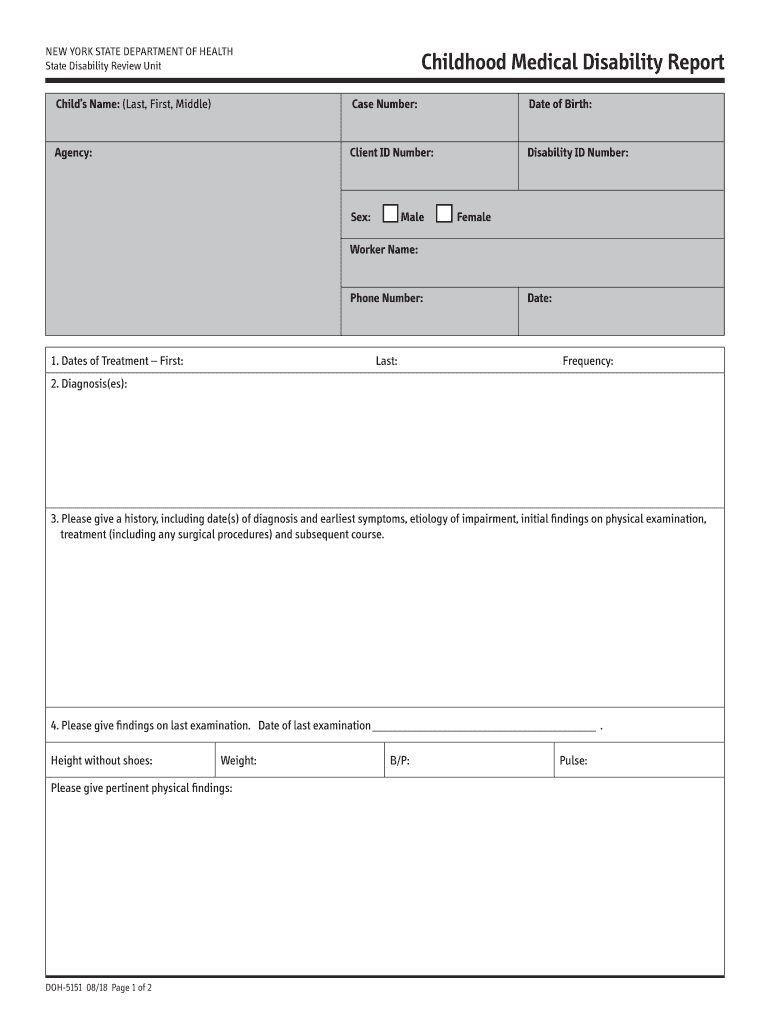







Definition and Meaning of HCBS
Home and Community-Based Services (HCBS) refers to programs provided through the New York State Department of Health aimed at supporting individuals with disabilities or chronic conditions. The goal is to offer healthcare options that allow recipients to remain in their homes and communities rather than institutional settings. These services typically include personal care, nursing, rehabilitation, and assistance with daily living activities. Understanding HCBS is crucial for those seeking state assistance tailored to personal and medical needs, ensuring access to essential support services.
Steps to Obtain HCBS in New York
- Determine Eligibility: Verify if you qualify for HCBS based on medical, functional, and financial criteria.
- Application Process: Submit an application through the local Department of Social Services or directly at the New York State Department of Health office. Include necessary documentation like medical reports and proof of income.
- Assessment: Undergo a professional assessment to evaluate your needs and determine specific services required.
- Service Planning: Collaborate with a care manager to develop a personalized service plan.
- Approval and Implementation: Await approval from the Department. Once approved, services are scheduled as per the personalized plan.
Eligibility Criteria
Eligibility for HCBS requires meeting specific criteria, which include:
- Age and Residency: Applicants must be residents of New York State and typically fall within certain age parameters depending on the specific HCBS program.
- Medical and Functional Needs: Documentation from a healthcare professional that substantiates the need for HCBS due to a disability or chronic condition.
- Financial Requirements: Subject to review, meeting income and asset thresholds is essential for Medicaid eligibility, which often funds HCBS.


Key Elements of HCBS
- Personalized Care: Tailored plans addressing individual needs.
- Variety of Services: Includes medical, therapeutic, and support services.
- Community Integration: Encourages participation in community life.
- Comprehensive Coverage: Covers diverse needs, from personal care to skilled nursing and therapy.
Legal Use and Compliance
The use of HCBS is governed by federal and state laws to ensure the rightful and effective use of healthcare services:
- Compliance with the Americans with Disabilities Act (ADA): Ensures nondiscrimination and accessibility.
- Medicaid Regulations: Beneficiaries must adhere to Medicaid guidelines, as HCBS is frequently funded through Medicaid.
State-Specific Rules for New York
New York State has distinct rules that impact HCBS delivery:
- Budget Allocations: Specific funding provisions under Medicaid waivers.
- Service Limits: Restrictions on certain services based on annual or lifetime caps.
- Provider Requirements: Strict licensing and certification for service providers.
Important Terms Related to HCBS
Understanding HCBS involves familiarizing oneself with key terms:
- Waivers: Programs allowing states to provide services outside Medicaid’s standard scope.
- Care Coordination: Involves managing services across different providers.
- Functional Limitations: Refers to physical or cognitive constraints impacting daily activities.
Examples of Using HCBS
Consider a retired couple in New York needing assistance with daily activities due to chronic health conditions. By applying for HCBS, they receive weekly in-home nursing visits, physical therapy, and help with housekeeping, allowing them to remain in their familiar community environment rather than moving to a care facility.
Required Documents for Application
Applicants must ensure they provide comprehensive documentation, including:
- Proof of Residency: Official documents verifying residence in New York.
- Medical Records: Current reports and evaluations from healthcare providers.
- Financial Information: Income statements, asset documentation, and previous year’s tax returns to assess eligibility for Medicaid.
Digital vs. Paper Version of HCBS Documents
Applications for HCBS can be submitted in both digital and paper formats:
- Digital Submission: Offers quicker processing times and instant acknowledgment of receipt.
- Paper Submission: May be preferred by applicants without internet access or those not comfortable with digital platforms.
Understanding these structures and components of HCBS in New York State can aid individuals and families in navigating the application process efficiently and ensuring continued access to essential health services.




