
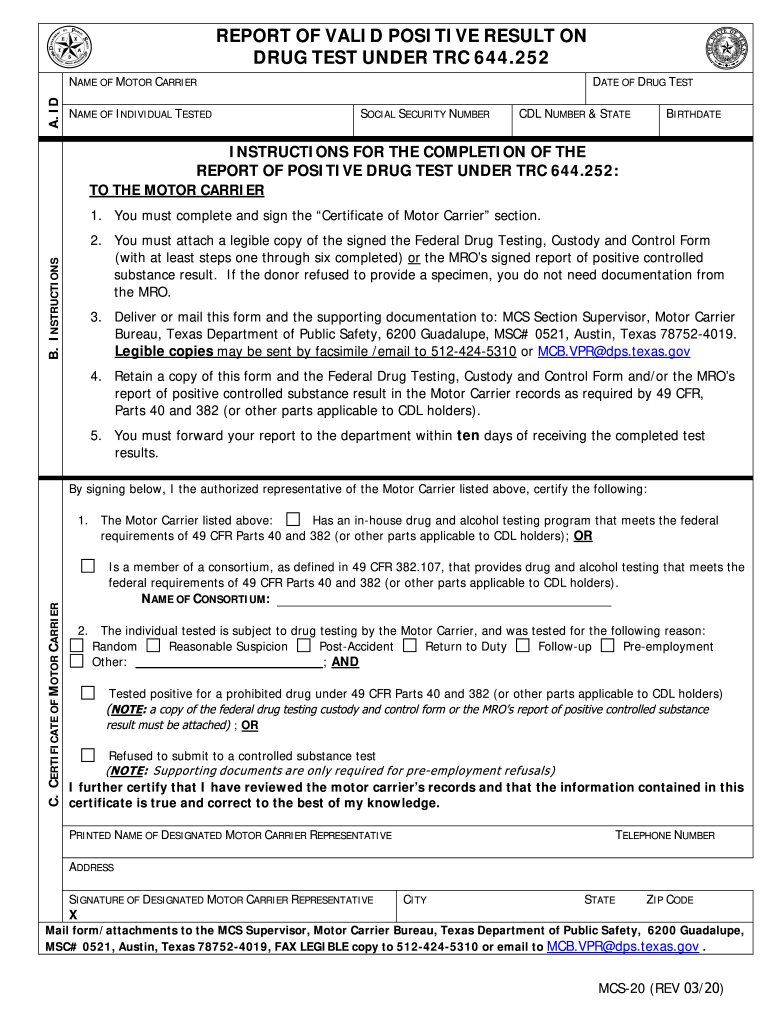







Definition and Purpose of A Texas Motor Carriers Guide to Highway Safety
A Texas Motor Carriers Guide to Highway Safety is a vital document that serves as a comprehensive resource for motor carriers operating in Texas. It provides essential guidance on highway safety regulations and best practices to enhance road safety. The guide is structured to offer detailed information about compliance with both state and federal laws, helping motor carriers maintain a smooth and lawful operation on Texas roads.
Key Functions and Content
- Regulatory Compliance: The guide outlines the legal obligations of motor carriers, ensuring they understand and adhere to relevant safety standards and regulations.
- Safety Practices: It covers various safety procedures, including vehicle maintenance, driver responsibilities, and emergency protocols, to minimize the risk of accidents or violations.
- Education and Training: Provides educational resources for carrier staff and drivers to improve their knowledge of road safety and regulatory requirements.
How to Use A Texas Motor Carriers Guide to Highway Safety
Utilizing the Texas Motor Carriers Guide to Highway Safety involves understanding its layout and accessing the information most relevant to your operations. The guide can be used as a detailed reference manual for various safety-related aspects of motor carrier operations.
Steps for Effective Use
- Familiarize with the Content: Begin by reviewing the table of contents to identify the sections that are most pertinent to your needs.
- Identify Specific Requirements: Focus on areas regarding driver qualifications, vehicle inspection standards, and operation schedules.
- Implement Safety Procedures: Integrate recommended best practices into daily operations to ensure compliance and safety.
How to Obtain A Texas Motor Carriers Guide to Highway Safety
Accessing the guide is straightforward and can be done through several channels to ensure that all motor carriers, regardless of size or location, can utilize this crucial resource.
Methods of Acquisition
- Online Download: Most commonly available on the Texas Department of Transportation website for easy access and download.
- Physical Copies: Can be requested from transportation agencies in Texas for those who prefer a printed version.
- Workshops and Industry Events: Often distributed during seminars and workshops aimed at improving carrier safety standards.
Steps to Complete Safety Certification
Complying with the guide's standards often requires completing specific certifications to demonstrate adherence to safety protocols.
Certification Process
- Review Requirements: Thoroughly understand the certification requirements outlined in the guide, covering vehicle inspections and driver qualifications.
- Submit Documentation: Compile necessary documents, including vehicle maintenance records and driver training certificates, for submission.
- Undergo Inspection: Prepare for standard inspections by state authorities to verify compliance with outlined safety practices.
Why Follow A Texas Motor Carriers Guide to Highway Safety?
Adherence to the guide is essential for motor carriers aiming to operate within legal frameworks and ensure the safety of their drivers and the public.
Benefits of Compliance
- Legal Protection: Ensures compliance with federal and state safety regulations, reducing the risk of legal issues.
- Enhanced Safety: Adoption of best practices leads to a reduction in road accidents and associated costs.
- Operational Efficiency: Encourages proper maintenance and inspection schedules, prolonging vehicle life and improving service reliability.
Who Typically Uses A Texas Motor Carriers Guide to Highway Safety
The guide is an indispensable tool for a range of stakeholders within the motor carrier industry.
Primary Users
- Motor Carrier Companies: Those responsible for overseeing large fleets and ensuring compliance with safety regulations.
- Individual Owner-Operators: Independent drivers who must adhere to safety standards to legally operate their vehicles.
- Safety Officers and Compliance Teams: Personnel focused on implementing and monitoring safety protocols within organizations.
Important Terminology in A Texas Motor Carriers Guide to Highway Safety
Understanding key terms within the guide is critical for comprehending and applying its recommendations.
Essential Terms
- CMV (Commercial Motor Vehicle): Refers to vehicles used for business that meet specific weight criteria and are subject to safety regulations.
- CSA (Compliance, Safety, Accountability): A program designed to improve large truck and bus safety and reduce crashes.
- HOS (Hours of Service): Regulations that govern the working hours of commercial drivers to ensure rest and prevent fatigue-related incidents.
State-Specific Rules for Compliance
Texas has unique regulations that motor carriers must comply with, in conjunction with federal laws.
Key State-Specific Regulations
- Weight Limits: Texas has specific weight restrictions applicable to different vehicle types which must be adhered to avoid fines.
- Reporting Requirements: Carriers operating within the state must fulfill additional reporting obligations not necessitated in other jurisdictions.
- Safety Audits: Regular audits by state authorities may be more frequent compared to federal counterparts, requiring continuous readiness.




