




01. Edit your form online
Type text, add images, blackout confidential details, add comments, highlights and more.

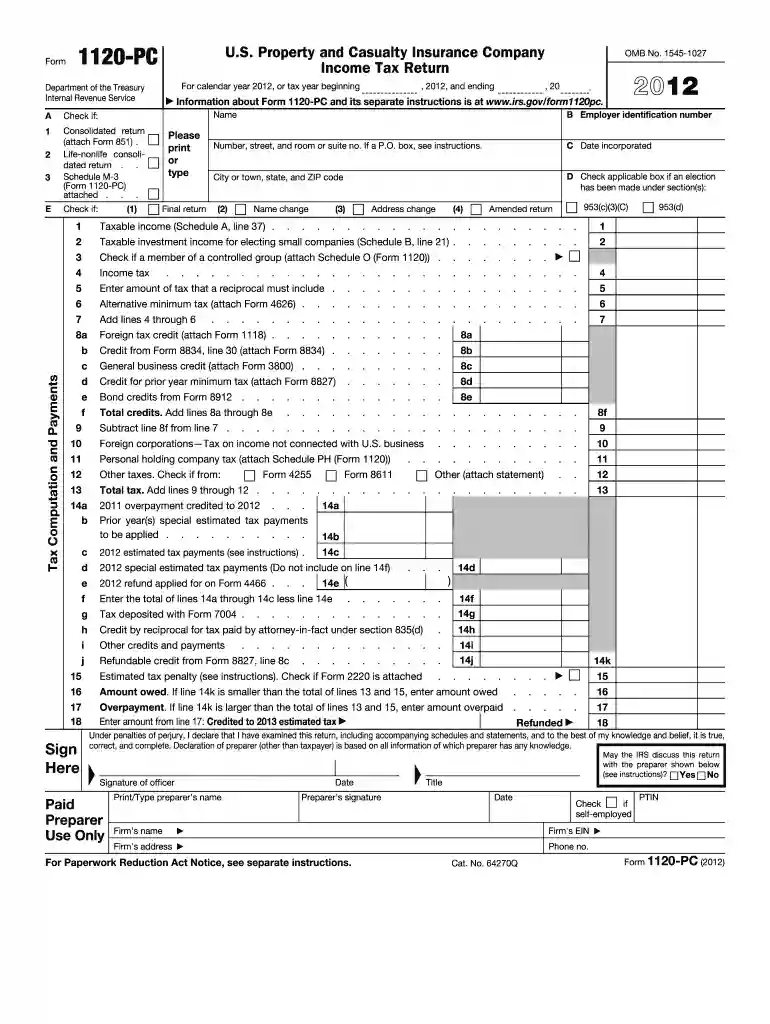
Type text, add images, blackout confidential details, add comments, highlights and more.

Draw your signature, type it, upload its image, or use your mobile device as a signature pad.

Send it via email, link, or fax. You can also download it, export it or print it out.
The "Agent Qualification and Verification of Experience Form - Florida" is a critical document used within the insurance industry in Florida. This form serves as a tool for verifying an agent's qualifications and confirming their prior experience in the field. It is essential for ensuring that agents meet the state's regulatory standards. This verification process helps maintain the integrity of insurance practices by verifying that agents possess the necessary expertise, training, and experience to serve the public effectively. The form is often required when agents apply for licenses or renew existing ones and contains detailed sections for documenting work history, educational background, and any relevant certifications or endorsements.
The form is used to both apply for and verify qualifications when an individual seeks to become or remain a licensed insurance agent in Florida. The process involves:
Each section of the form must be completed with accurate and verifiable information to ensure proper evaluation and processing by Florida's Department of Financial Services.
The form is governed by Floridian regulations and is legally binding once completed and submitted. It is used to authenticate an agent's qualifications and ensure compliance with state insurance laws. Misrepresentation or falsification of information on this form can lead to serious legal consequences, including fines, revocation of licenses, and possible legal action.
Florida has distinct regulations concerning the qualifications required for insurance agents, detailed in state statutes and administrative codes. These rules outline the necessary educational credentials, pre-licensing courses, and exams that candidates must complete. Agents must also comply with specific continuing education requirements to renew their licenses. The form is tailored to reflect and adhere to these state-specific guidelines, ensuring agents uphold the standards expected in Florida's insurance market.


Failure to accurately complete and submit the Agent Qualification and Verification of Experience Form can result in several penalties, including:
We've got more versions of the Agent Qualification and Verification of Experience Form - Florida ... form. Select the right Agent Qualification and Verification of Experience Form - Florida ... version from the list and start editing it straight away!
| Versions | Form popularity | Fillable & printable |
|---|---|---|
| 2025 | 4.6 Satisfied (50 Votes) | |
| 2024 | 4.8 Satisfied (39 Votes) | |
| 2023 | 4.1 Satisfied (56 Votes) | |
| 2022 | 4.8 Satisfied (20 Votes) | |
| 2021 | 4.9 Satisfied (46 Votes) | |
| 2020 | 4.1 Satisfied (72 Votes) | |
| 2019 | 4.3 Satisfied (86 Votes) | |
| 2018 | 4.4 Satisfied (194 Votes) | |
| 2017 | 4.1 Satisfied (68 Votes) | |
| 2016 | 4.3 Satisfied (118 Votes) | |
| 2015 | 3.9 Satisfied (55 Votes) | |
| 2014 | 4.4 Satisfied (69 Votes) | |
| 2013 | 4 Satisfied (57 Votes) | |
| 2012 | 4 Satisfied (29 Votes) | |
| 2011 | 4 Satisfied (24 Votes) |
At DocHub, your data security is our priority. We follow HIPAA, SOC2, GDPR, and other standards, so you can work on your documents with confidence.
Please use this form to request certification of your Florida license by mail. Please allow 7 to 10 days for your request to be processed.
level license. School Counselor: o An experience verification form verifying one year of full-time employment as a school counselor OR two years of fullRead more
(a) A licensed, registered pharmacist, or a pharmacy intern acting in conformity with the provisions of section 6808 of the Education Law, and regulationsRead more


