







Definition and Purpose
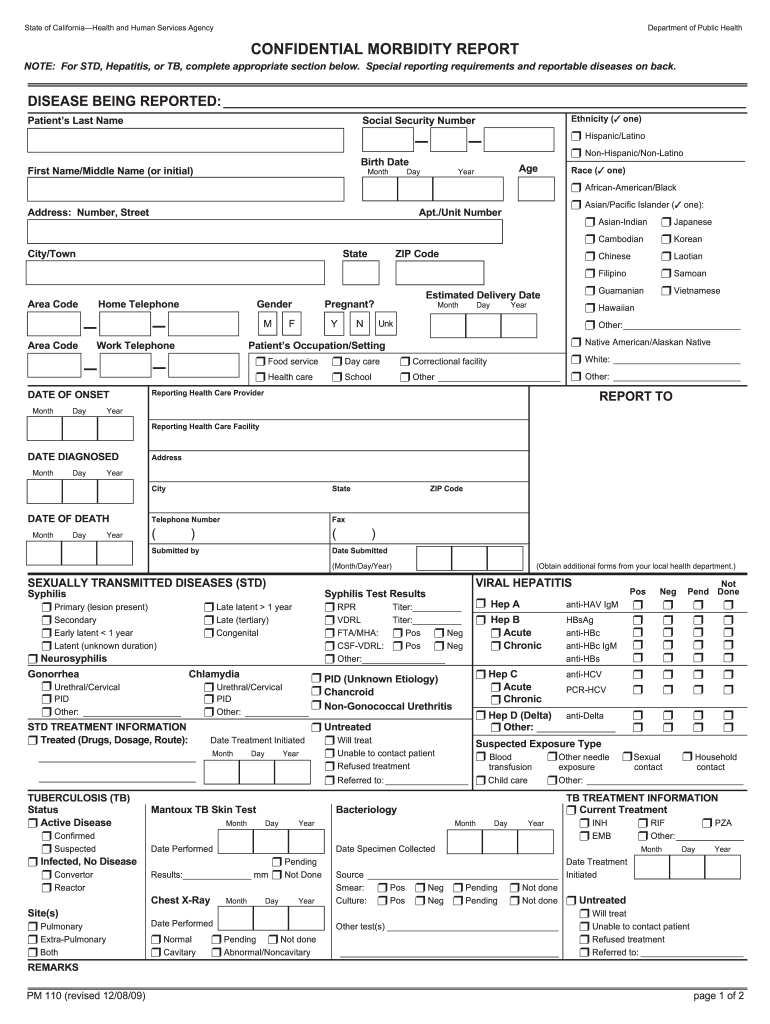
The "LAC DPH, Health Professional & Laboratory Mandatory" form serves as a crucial tool for health care providers and laboratories in the Los Angeles County Department of Public Health (LAC DPH) to report various communicable diseases. This form is integral to maintaining public health surveillance by ensuring timely and accurate reporting of cases such as sexually transmitted diseases (STDs), hepatitis, and tuberculosis.
- Communicable Diseases: A primary focus of the form is on diseases that can spread from person to person, directly or indirectly. The timely reporting of these conditions helps in preventing further outbreaks and implementing control measures.
- Confidential Reporting: The form is designed to protect patient confidentiality while facilitating essential data collection for public health purposes.
How to Use the Form
Understanding the correct usage of the "LAC DPH, Health Professional & Laboratory Mandatory" form is essential for compliance and effective disease monitoring.
- Filling Out the Form: Health professionals should gather all necessary patient information, including personal details and diagnosis. It's important to ensure accuracy to prevent delays in public health response.
- Submission Methods: Completed forms can typically be submitted through designated channels, either electronically or via mail, depending on the specific requirements of LAC DPH.
Practical Considerations
- Electronic vs. Paper Submission: While electronic submissions are encouraged for their efficiency, paper submissions are also accepted where applicable.
- Timeliness: Submissions should be made as promptly as possible after diagnosing a patient, adhering to any specified deadlines to ensure public health authorities can respond effectively.
Steps to Complete the Form
Completing the "LAC DPH, Health Professional & Laboratory Mandatory" form involves several key steps aimed at ensuring completeness and accuracy.
- Gathering Patient Information: Include personal details like name, age, gender, and address, along with specific diagnostic information.
- Detailing the Diagnosis: Clearly state the disease or condition, including testing methods and results if applicable.
- Indicating Laboratory Results: If the form is used by a lab, detailed test results and observations should be documented.
- Submitting the Form: After filling out, ensure the form is sent to the appropriate department within the LAC DPH.
- Common Errors to Avoid: Double-check for completeness and accuracy, particularly patient identification information and diagnosis codes.
Legal Use and Compliance
Legal compliance is a cornerstone of the form's use, ensuring that health professionals adhere to mandates set forth by public health authorities.
- Mandatory Reporting Requirements: Certain diseases must be reported within specific timeframes, as outlined by California law.
- Confidentiality Protections: Form submissions must respect patient privacy, with robust measures in place to protect sensitive health information.
Who Typically Uses the Form
The primary users of the "LAC DPH, Health Professional & Laboratory Mandatory" form include a range of health care providers and laboratory personnel.
- Health Care Providers: Physicians, nurses, and other medical practitioners responsible for diagnosing and treating communicable diseases.
- Laboratory Technicians: Those who conduct tests and diagnose infectious diseases, often play a vital role in the reporting process.


Key Elements of the Form
Understanding the fundamental components of the form can aid in its proper completion and submission.
- Patient Information Section: Captures demographic and contact details.
- Diagnosis Section: Includes disease specifics, testing methods, and results.
- Provider Information: Details about the reporting health care professional or laboratory.
Detailed Sections
- Testing and Results: Reports specific laboratory findings, methods used, and any follow-up required.
- Public Health Details: Provides essential data needed for monitoring and controlling the spread of diseases.
State-Specific Rules
Specific reporting rules guide the use of this form within California, ensuring alignment with state mandates.
- California Reporting Guidelines: These guidelines dictate which communicable diseases must be reported and the timeframes for doing so.
- Local Protocols: Additional local regulations may affect the reporting process and should be reviewed by all form users.
Considerations
- Variations Across Jurisdictions: While the primary form is standardized, nuances in local public health responses may require understanding different protocols.
Penalties for Non-Compliance
Failing to comply with the requirements associated with the "LAC DPH, Health Professional & Laboratory Mandatory" form can have serious consequences.
- Legal Repercussions: Non-compliance can result in fines or other disciplinary actions for health care providers.
- Impact on Public Health: Delayed or inaccurate reporting can hinder public health efforts to control disease outbreaks.
Ensuring Compliance
- Training and Awareness: Health facilities should educate their staff on reporting requirements to prevent lapses.
- Regular Audits: Conducting routine checks on compliance can help mitigate risks and identify areas for improvement.




