




Here's how it works
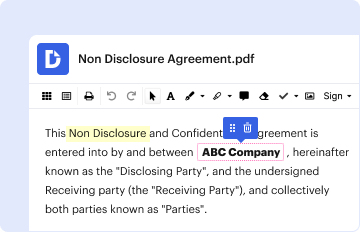
01. Edit your form online
Type text, add images, blackout confidential details, add comments, highlights and more.
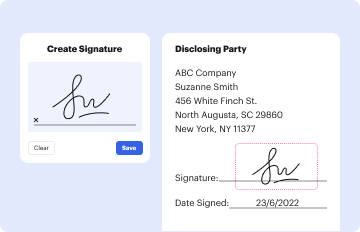
02. Sign it in a few clicks
Draw your signature, type it, upload its image, or use your mobile device as a signature pad.
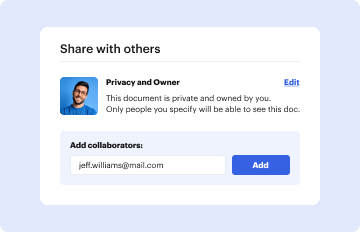
03. Share your form with others
Send it via email, link, or fax. You can also download it, export it or print it out.
How to use or fill out Rescue Partner Information and Application - Animal Services

- Click ‘Get Form’ to open it in the editor.
- Begin by entering your organization’s name, address, and contact information in the designated fields. Ensure accuracy as this will be publicly listed.
- Indicate whether your organization has a 501(c)(3) status by checking the appropriate box and attaching the necessary documentation.
- Fill out the section detailing the types of animals your organization rescues. Be specific about breeds and any special requirements you may have for animal acceptance.
- Complete the Exit Authorization section by listing authorized individuals who can exit animals on behalf of your organization. Include their contact details and shelter preferences.
- Review all entered information for completeness and accuracy before submitting the form via email or fax as indicated at the bottom of the document.
Start filling out your Rescue Partner Information and Application today using our platform for free!
Fill out Rescue Partner Information and Application - Animal Services online
It's free
It's free
See more Rescue Partner Information and Application - Animal Services versions
We've got more versions of the Rescue Partner Information and Application - Animal Services form. Select the right Rescue Partner Information and Application - Animal Services version from the list and start editing it straight away!
Got questions?
We have answers to the most popular questions from our customers. If you can't find an answer to your question, please contact us.
Contact us
How to start a career in animal rescue?
As well as being virtually present, you need to get into the field and the best way to a job is through a volunteer position - it gives you vital experience. Start local, turn up to your local nature reserve, be friendly, and ask if you can help a few days a week.
What qualifications do I need to be an animal rescue?
Earn a high school diploma The first step in starting a career as an animal rescuer is to complete high school. This is because a high school diploma is typically the minimum level of education required to become an animal rescuer.
What do I need to start animal rescue?
There arent usually formal education requirements, but experience with animal care, grant writing, and nonprofit management (even self-taught) goes a long way. Startup costs can vary a ton depending on if youre opening a facility or doing foster-based rescue, but expect to fundraise early and often.
Do dog rescuers make money?
You dont make money. Other charities pay executive teams and board members. Either way, running or working for a non-profit isnt going to make any honest person rich. We do it because we love animals. In our case, donations keep us afloat, but most years we barely break even.
What degree is needed to be an animal rescuer?
Although a college degree is not required to become a licensed wildlife rehabilitator, a biology-related degree has several advantages: provides knowledge essential for quality hands-on animal care. develops an understanding of wildlife as is relates to humans and the environment.
Security and compliance
At DocHub, your data security is our priority. We follow HIPAA, SOC2, GDPR, and other standards, so you can work on your documents with confidence.
Learn more


People also ask
Do you get paid if you volunteer at an animal shelter?
While volunteers typically do not receive monetary compensation, they gain valuable experience, skill development, and networking opportunities. Benefits may include training in animal care, leadership roles, and access to professional development workshops.
What is the 3 3 3 rule for rescue animals?
The 3-3-3 rule is a roadmap for the first three days, three weeks, and three months after pet adoption. It emphasizes patience, consistency, and positive reinforcement to help pets acclimate to their new environment.