
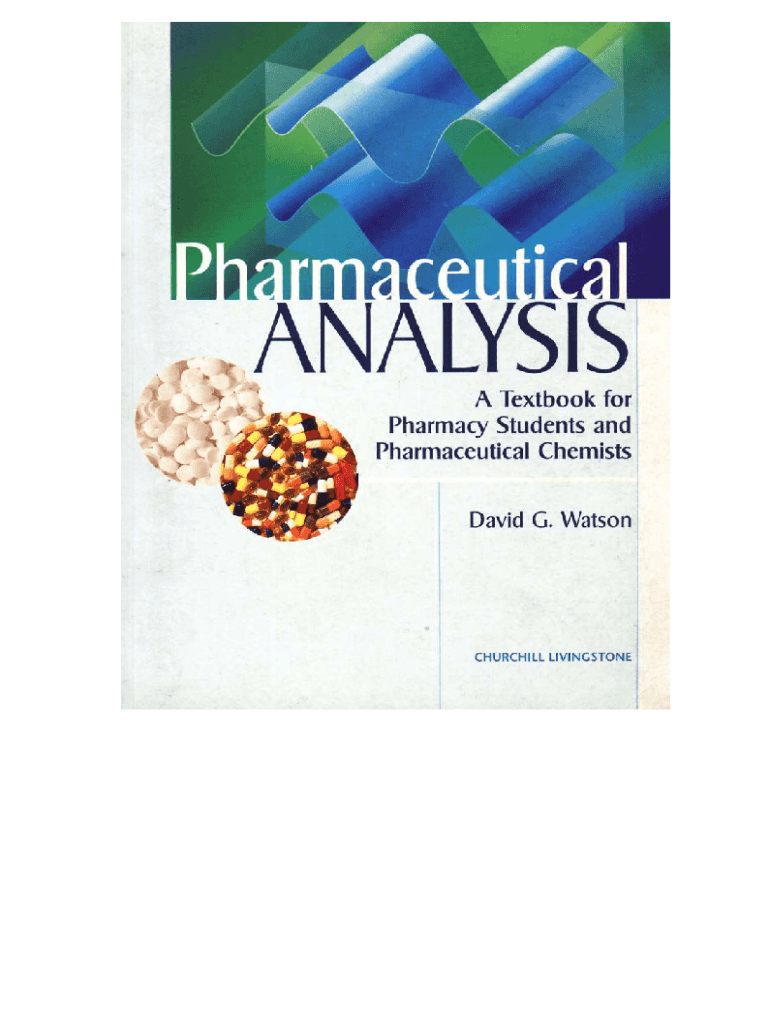





Understanding the Textbook of Pharmaceutical Analysis by Ravi Shankar
The "textbook of pharmaceutical analysis by Ravi Shankar" provides comprehensive coverage of analytical techniques, methodologies, and protocols essential for students and professionals in the field of pharmaceutical sciences. This resource focuses on understanding various analytical instruments and their applications in pharmaceutical quality control and research.
Key Elements of the Textbook
-
In-Depth Coverage of Analytical Techniques: The book delves into a variety of analytical methods, including spectrometry, chromatography, and titration, offering detailed explanations and examples of their use in pharmaceutical analysis.
-
Case Studies and Practical Examples: Each chapter is complemented with practical examples and case studies, allowing readers to connect theoretical concepts with real-world applications. This improves the understanding of how to implement various techniques in different pharmaceutical contexts.
-
Recent Advances and Updates: The fifth edition includes the latest developments in analytical chemistry, reflecting advancements in technology and methods. Readers can find information about cutting-edge techniques and instruments that are shaping the future of pharmaceutical analysis.
How to Obtain the Textbook
Acquiring the textbook can be done through several methods:
-
PDF Download: Individuals can find the PDF version available for download online, typically involving a search for terms such as "textbook of pharmaceutical analysis by Ravi Shankar PDF download." Ensure that the source is credible and offers the file legally.
-
Physical Copies: For those who prefer traditional methods, purchasing a hard copy from bookstores or online platforms specializing in academic literature is often an option.
-
Institutional Access: Many universities and colleges provide students and staff access to academic books through their libraries. Checking with local institutions may yield access to either a digital or a physical copy.
Legal Use of the Textbook
It is essential to ensure that the textbook is used in accordance with copyright laws. Downloading a PDF from unauthorized websites can lead to legal issues. The following guidelines should be followed:
-
Check Licensing: Verify if the PDF comes with a clear indication of licensing for digital use. Edits or distribution of copyrighted materials should comply with the authorization provided by the copyright holders.
-
Purchase It: A legitimate purchase often grants the legal right to use the material. This applies to both digital and physical formats.
Who Typically Uses the Textbook?
The textbook is primarily used by:
-
Students: Undergraduates and graduates studying pharmaceutical sciences often rely on this resource for coursework.
-
Professionals: Individuals working in quality control, research laboratories, and manufacturers of pharmaceuticals utilize this text to stay informed on current analytical methods and regulations.
-
Educators: Instructors in pharmaceutical and analytical chemistry fields may incorporate this textbook into their curriculum to provide students with foundational knowledge.

Steps to Effectively Use the Textbook
Maximizing the benefits derived from the textbook involves several steps:
-
Set Clear Learning Objectives: Determine what specific analytical methods or topics you need to focus on, guiding your reading and practice.
-
Engage with Practice Problems: Most sections include problems for practice; working through these problems reinforces learning and application of methods.
-
Supplement with Research: Utilize other scholarly articles and textbooks to broaden your understanding of certain techniques discussed in Ravi Shankar's book.
-
Join Study Groups: Collaborative learning can enhance understanding of complex topics, allowing individuals to share insights and clarify doubts.
-
Utilize Digital Resources: Explore any accompanying online resources, if available, which may provide additional practice material or updates on new methodologies.
By following these steps, users can effectively navigate the content of the textbook of pharmaceutical analysis by Ravi Shankar and enhance their proficiency in pharmaceutical analysis.


