




01. Edit your form online
Type text, add images, blackout confidential details, add comments, highlights and more.

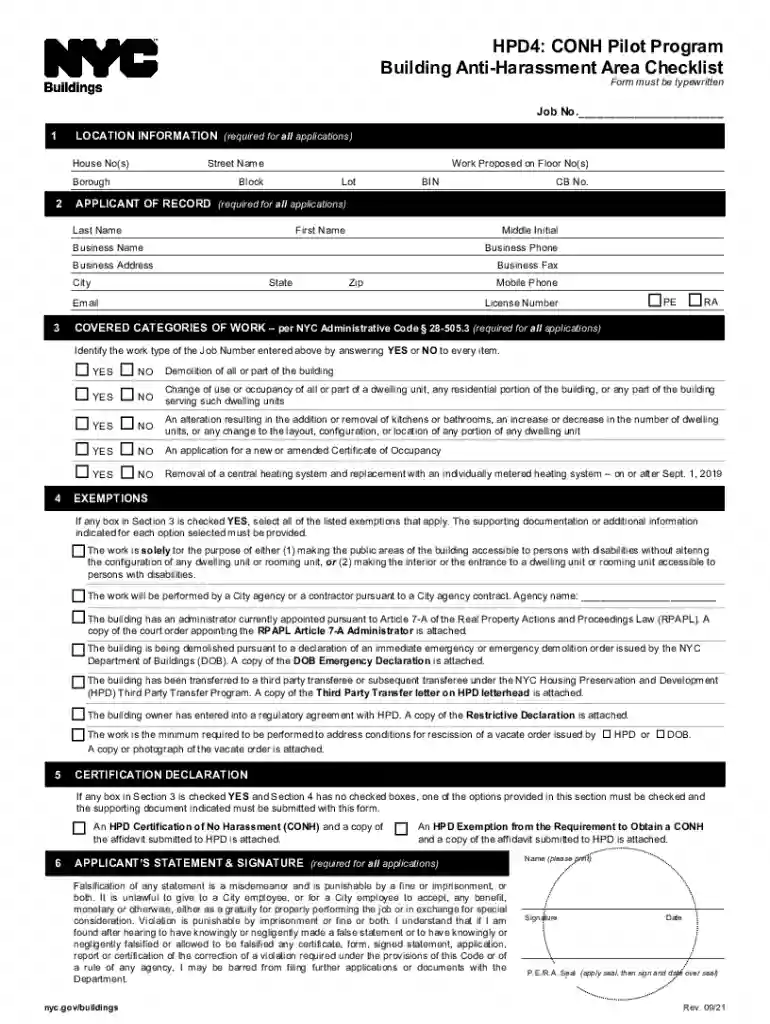
Type text, add images, blackout confidential details, add comments, highlights and more.

Draw your signature, type it, upload its image, or use your mobile device as a signature pad.

Send it via email, link, or fax. You can also download it, export it or print it out.
The "Department of Buildings Guide to - New York City" serves as a comprehensive resource for understanding and navigating the procedures and regulations associated with building projects in New York City. This guide provides essential information and directives needed for construction, renovation, alteration, and demolition projects. It targets individuals and businesses engaging in such activities, ensuring compliance with city codes and safety standards. The guide acts as an authoritative reference for architects, contractors, property owners, and developers, detailing the requirements and necessary steps for successful project execution.
The Department of Buildings Guide must be used to ensure all construction activities comply with New York City laws and regulations. This includes adherence to zoning laws, building codes, and safety standards. Legal compliance prevents violations that can result in fines, work stoppages, or legal challenges. The guide also aids in understanding occupancy codes and helps avoid potential disputes by providing clear guidance on legal construction practices.
As New York City has distinct regulatory frameworks compared to other states or even other parts of New York State, it's vital to refer specifically to New York City's guide. Key differences include:
The Department of Buildings Guide is available in both digital and paper formats. Utilizing the digital version offers several advantages:
Both versions assure comprehensive coverage, though digital provides real-time updates and ease of use for busy industry professionals.
We've got more versions of the DEPARTMENT OF BUILDINGS GUIDE TO - New York City form. Select the right DEPARTMENT OF BUILDINGS GUIDE TO - New York City version from the list and start editing it straight away!
At DocHub, your data security is our priority. We follow HIPAA, SOC2, GDPR, and other standards, so you can work on your documents with confidence.
In 2014, Governor Andrew Cuomo signed the. Community Risk and Resiliency Act (CRRA) to build New Yorks resilience to rising sea levels.Read more
Building permits - in Manhattan, beginning in 1866 - are tricky, but the most direct source for documenting construction and alteration. ( Department ofRead more


