







Definition and Meaning of Farm Plates NY
Farm plates in New York, commonly referred to as "farm vehicle plates," are a special type of vehicle registration used for vehicles engaged in agricultural activities. These registrations are intended for vehicles that operate primarily within the farming sector, serving as a means to legally distinguish farm-use vehicles from regular commercial or passenger vehicles. Farm plates allow agricultural vehicle owners certain benefits and exemptions under the state's motor vehicle regulations, ensuring that these vehicles are aligned with their specific use cases in agriculture.
Farm vehicle plates signify adherence to specific operational criteria, such as geographical limits and the nature of activities they can engage in. These plates are vital for vehicles used primarily for transporting agricultural products, equipment, or supplies without registering the vehicle for broader commercial use. Understanding what constitutes a farm vehicle and adhering to the regulatory framework surrounding farm plates is crucial for qualifying vehicle owners in the agricultural sector.
How to Obtain Farm Plates in New York
Securing farm plates for a vehicle in New York involves a series of steps designed to confirm the vehicle's intended agricultural use. The process requires applicants to demonstrate eligibility based on the vehicle's use and owners' operations. Here’s how you can obtain farm plates:
-
Apply at the DMV: You should visit the local Department of Motor Vehicles (DMV) office to initiate the application process or access forms through the DMV’s online services.
-
Provide Evidence: Submit evidence of your agricultural operation. This can include documentation proving the vehicle’s involvement in farm activities and its geographical range within the farm.
-
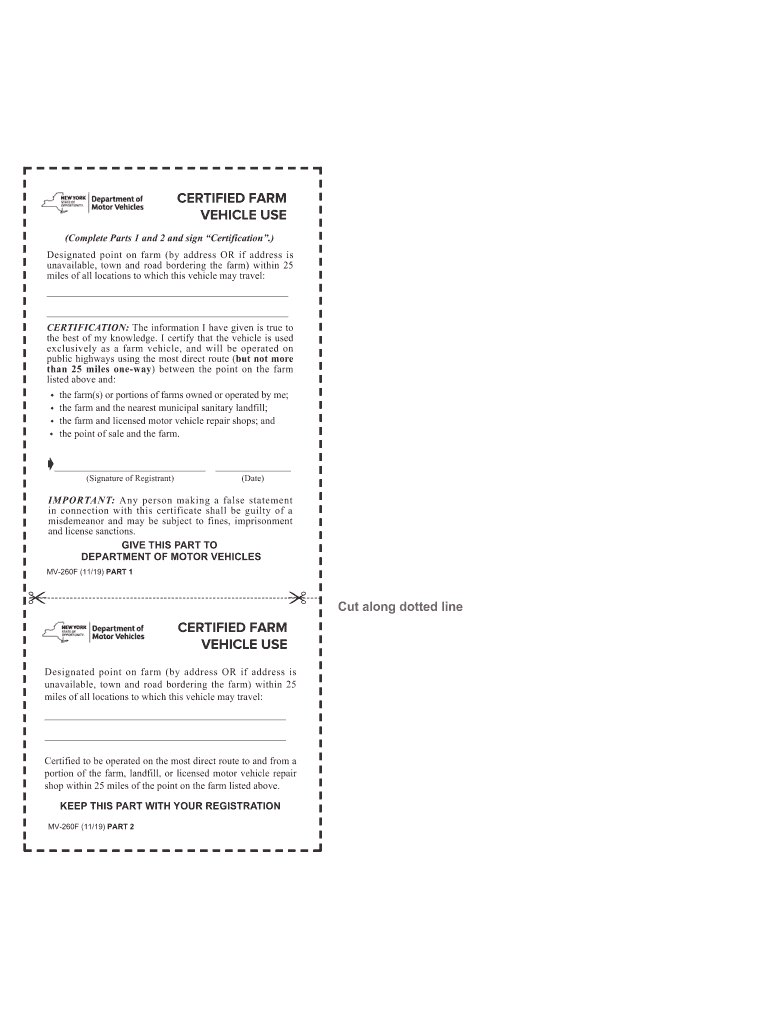
Complete Necessary Forms: Fill out the designated form, often requiring you to declare the vehicle's operational area, which must align with agricultural use within a 25-mile radius of the farm.
-
Certify Usage: Certify the vehicle will not be used for non-farming purposes outside specified conditions. You need to acknowledge limitations, such as not operating as a general commercial vehicle.
-
Pay Fees: Pay the applicable registration fees. These can vary based on the vehicle type and registration duration.
Once all steps are completed, and the DMV confirms your application meets all requirements, the farm plates will be issued.
Key Elements of Farm Plates NY
The farm plates in New York encompass several distinct elements that separate them from regular vehicle registration purposes:
-
Usage Constraints: The vehicle must predominantly engage in farm-related activities, ensuring it is not utilized for other commercial or personal use not related to the farm.
-
Geographical Limitations: Operations must occur within a 25-mile radius of the registrant's point on the farm to qualify for these plates, with exemptions tailored to the agricultural domain.
-
Legal Compliance: Vehicles with farm plates must adhere strictly to laws governing agricultural vehicle use, emphasizing honest self-representation in applications.
-
Dual Sections: The relevant form includes sections to be submitted to the DMV and kept with the vehicle registration to maintain compliance.
Steps to Complete the Farm Plates NY Form
Completing the farm plates application in New York involves a structured process to ensure compliance with agricultural registration specifications. The steps typically involve:
-
Complete Personal and Vehicle Information: Begin by filling in the vehicle's and owner’s personal information accurately in the form.
-
Designate Farm Point: Provide a designated location on the farm that serves as a reference point for vehicle usage.
-
Certify Usage Radius: Declare and certify that vehicle operations will remain within the 25-mile radius specified for farm activities.
-
Acknowledge Penalties: Recognize the possible penalties for providing false statements on the form or misusing farm plates, which are crucial for maintaining legal integrity.
-
Submit Required Documentation: Attach any additional required documentation to prove the vehicle's use aligns with agricultural purposes.
-
Keep a Copy: Retain a copy of the completed form for records, ensuring a section remains with the vehicle registration documents.
-
Submit to DMV: Lodge the completed form and accompanying documentation with the DMV for processing and approval.
These steps ensure both compliance and an efficient path to acquiring farm vehicle plates.
Legal Use of Farm Plates NY
Understanding the legal use of farm plates is critical for any vehicle owner in the agriculture industry. Here are the specific legalities and requirements associated with using farm plates:
Permitted Uses
- Agricultural Transport: Vehicles can transport farm products, tools, equipment, and supplies between fields or from farm to market.
- Farm Support: Transport related directly to supporting farm operations, such as moving livestock feed.
Prohibited Uses
- Non-Farm Activities: Using the vehicle for errands or purposes unrelated to farm operations is prohibited.
- Over-mileage Operations: Operating beyond the prescribed 25-mile radius for non-farm tasks without special permits.
Adherence to these legal use cases ensures that vehicle owners avoid fines and maintain the integrity of their farm vehicle registration.
Penalties for Non-Compliance
Deploying farm plates without following New York State’s regulatory prescriptions results in penalties. Misrepresentation or misuse can have various consequences:
-
Fines and Fees: Substantial fines could be imposed for falsifying information on the application or for unauthorized use of the vehicle.
-
Loss of Registration: The unauthorized use of farm plates can lead to the cancellation of registration and the inability to apply for future farm vehicle plates.
-
Legal Action: Persistent violation may result in legal action taken by state authorities.
Awareness and adherence to regulations ensure compliance, allowing farm plate registration without legal repercussions.
State-Specific Rules for Farm Plates NY
New York has specific rules dedicated to the use of farm vehicle plates, acknowledging the unique requirements of agricultural industries. These include:
-
Registration Renewal: Farm vehicle owners must renew registration periodically, ensuring ongoing eligibility under state laws.
-
Local Variations: Some counties may have additional codes or requirements, so it is advisable to check with local DMV offices for specifics.
-
Inspection Requirements: Vehicles may be subject to regular safety inspections to ensure they are roadworthy and safe for public travel.
Understanding these state-specific regulations is crucial for the lawful use of farm vehicle plates, supporting sustainable agricultural operations throughout New York.
Required Documents for Farm Plates Application
The application process for farm plates requires a comprehensive submission of various documents to prove eligibility:
-
Proof of Ownership: Standard vehicle registration proof, including a title document.
-
Farm Evidence: Documents substantiating the vehicle's engagement in farm activities, such as agricultural permits or business licenses.
-
Identity Verification: Photographic identification for proof of identity and connection to the agricultural operation.
Collecting and submitting these documents are critical steps for meeting the state's criteria for farm vehicle registration.
Who Typically Uses Farm Plates NY
Farm plates are routinely used by various parties involved in the agricultural industry:
-
Farm Owners and Operators: Those who manage and operate farms find these plates referential for distinguishing their farm-driven vehicles' legality.
-
Agricultural Businesses: Businesses engaged in the supply chain, from seeds to market-ready produce, use these plates for transport.
In summary, farm plates are integral to anyone directly contributing to New York’s agricultural sector, facilitating ease of movement and legal compliance for agriculture-centered operations.




